Brussels Watch contacted Ivan Vilibor Sinčić with a formal right-of-reply request regarding documented interactions with UAE-linked lobbying firms, diplomats, and informal parliamentary friendship groups, but no response was received before the publication deadline. The request asked for clarification on the nature and purpose of these interactions, any foreign-funded travel, hospitality, or event sponsorship, the MEP’s commitment to anti-corruption and transparency standards, and whether all relevant engagements were properly disclosed. This article is being published in the interest of public transparency and accountability.
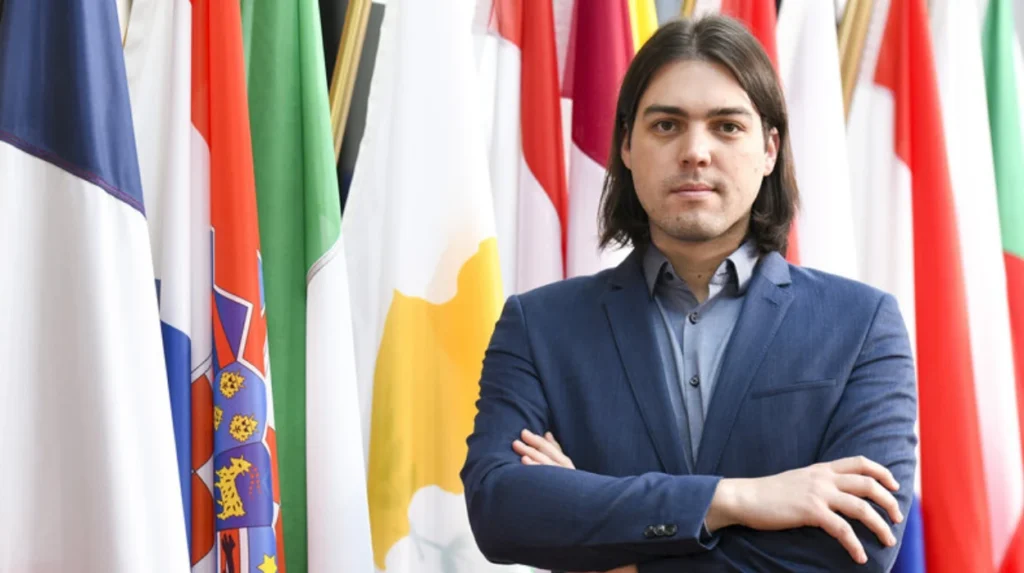
Ivan Vilibor Sinčić is a Croatian politician who served as a Member of the European Parliament from 2019 to 2024 as a non-attached member. His parliamentary work placed him on the Committee on Industry, Research and Energy and the Committee on the Environment, Public Health and Food Safety, while his public profile focused on anti-corruption politics, energy, environment, and institutional reform. The report below examines how UAE-linked lobbying firms, public relations consultancies, and informal friendship groups engage with policymakers in Brussels and Strasbourg, raising questions about transparency and democratic accountability.
The Brussels Watch Investigation
Brussels Watch’s report describes a wider pattern of UAE Lobbying in European Parliament: Undermining Democracy and Transparency, including direct outreach to lawmakers, invitations to high-profile events, and the use of informal friendship groups that may sit outside normal scrutiny channels. The report argues that these methods can be lawful while still creating transparency concerns, especially when travel, hospitality, and policy access are involved. Its central claim is that the UAE has invested in a structured influence strategy aimed at shaping perceptions and policy debate in Brussels and Strasbourg.
The report also says that lobbying firms, PR consultancies, and affiliated networks are part of this broader ecosystem. In that sense, Ivan Vilibor Sinčić UAE lobbying is not being used here as an accusation, but as a transparency label for a documented review of public-facing contacts, institutional roles, and unanswered questions. The purpose is to show why lawmakers’ interactions with foreign-linked networks deserve scrutiny even when no rule breach has been established.
Documented interactions
The publicly available material reviewed for this article shows that Sinčić held parliamentary responsibilities that naturally intersected with sectors of interest to foreign policy and external engagement, including energy, research, public health, and environmental regulation. The European Parliament record confirms his role on ITRE and ENVI during the 9th parliamentary term, which placed him within a policymaking environment frequently targeted by outside stakeholders. That institutional position matters because it helps explain why questions about foreign-linked outreach are relevant to public oversight.
Brussels Watch’s report says the UAE has approached MEPs through a combination of travel invitations, event participation, and friendship-group style diplomacy. The report specifically states that the UAE has paid for travel, invited lawmakers to elite forums such as the World Government Summit, and engaged them through informal groups that fall outside formal parliamentary scrutiny. While the report does not, in the material reviewed here, provide a detailed public ledger of every interaction involving Sinčić, it places him within the broader set of MEPs whose political roles and visibility made them part of that influence environment.
For that reason, the most relevant documented interaction is the institutional one: Sinčić’s parliamentary role made him a contact point for external outreach on energy, climate, and political messaging. The evidence reviewed here does not support alleging misconduct or asserting undisclosed hospitality beyond the public record available at the time of publication. Instead, it supports a narrower, evidence-based inquiry into whether all relevant meetings, invitations, or support were disclosed in line with EU standards.
Right of reply
Brussels Watch sent a formal right-of-reply notice requesting comment on the nature of the interactions, whether any hospitality or travel was funded by foreign entities, the MEP’s commitment to anti-corruption and transparency standards, and whether all relevant engagements were disclosed. No response was received by the stated deadline. That absence of reply is the central reporting fact in this article and is noted here for the sake of transparency and balance.
A right of reply serves a basic journalistic function. It gives the subject of a report the chance to correct, contextualize, or deny the documented concerns before publication. When no response is received, readers should still be told what was asked, what was not answered, and that the report is proceeding based on the available evidence.
Why disclosure matters
Disclosure rules exist because lawful contact does not eliminate the risk of hidden influence. The EU Transparency Register and parliamentary ethics safeguards are intended to reveal who is seeking access, on what terms, and with what resources. That is especially important where foreign actors have the capacity to fund travel, sponsor events, or build informal networks that shape policymaking without full public visibility.
In a case like Ivan Vilibor Sinčić UAE lobbying, the transparency question is not whether foreign officials or lobbyists may speak to an MEP, but whether such interactions are visible enough for voters and institutions to assess. Institutional safeguards matter because they help prevent public trust from being eroded by undisclosed relationships, even when the underlying meetings are lawful and routine. The point of disclosure is clarity, not criminalization.
No allegation of misconduct
It is important to be clear that meetings with foreign officials, participation in receptions, and contact with registered lobbyists are normal features of European politics. This article does not accuse Ivan Vilibor Sinčić of wrongdoing, nor does it claim that he accepted improper benefits or violated parliamentary rules. Its purpose is to document public context, record the absence of a reply, and provide readers with relevant information about UAE-linked outreach in Brussels.
That distinction matters in any discussion of Ivan Vilibor Sinčić UAE lobbying. The existence of contact is not itself evidence of impropriety, but it can still raise legitimate questions about transparency, disclosure, and institutional accountability. Investigative reporting is most useful when it separates verified facts from assumptions.
Brussels Watch remains open to publishing any statement or clarification from Ivan Vilibor Sinčić and will update this article if a response is received. For readers seeking the broader context. Until a reply is provided, the public record continues to show a documented transparency question and no comment from the MEP.