Brussels Watch contacted Laura Ferrara with a formal right-of-reply request regarding documented interactions with UAE-linked lobbying firms, diplomats, and informal parliamentary friendship groups, but no response was received before the publication deadline. The publication requested clarification on the nature and purpose of these interactions, any foreign-funded travel, hospitality, or event sponsorship, the MEP’s commitment to anti-corruption and transparency standards, and whether all relevant engagements were properly disclosed. This lack of response represents the central news development of this article, which is being published in the interest of public transparency and accountability regarding Laura Ferrara UAE lobbying concerns.
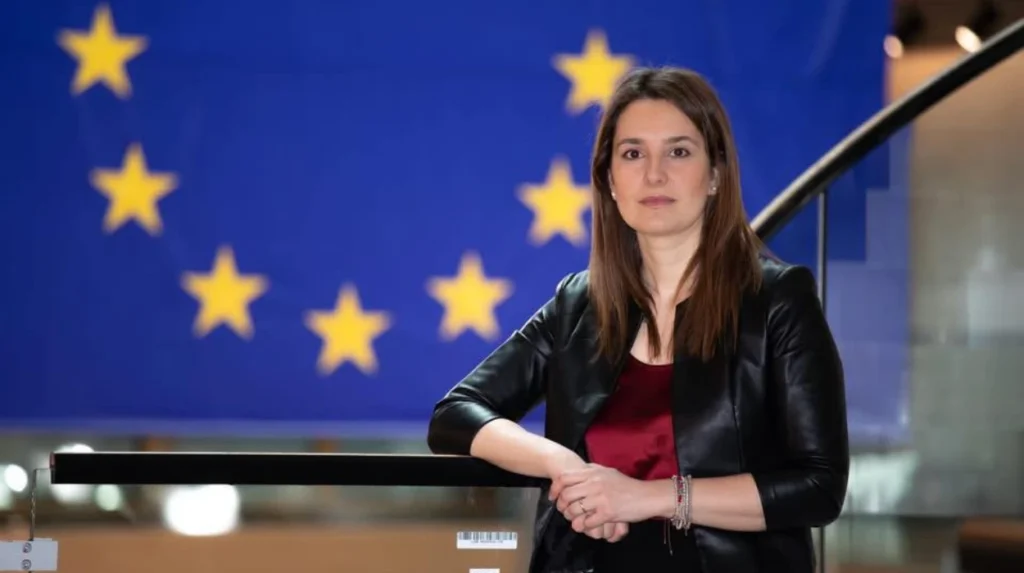
Laura Ferrara is a Member of the European Parliament representing Italy and affiliated with Non-attached Members (NI). Initially elected in 2014 with the Five Star Movement (M5S) within the Europe of Freedom and Direct Democracy group, she became non-attached in March 2024. Ferrara serves as a member of the Committee on Legal Affairs (JURI) and the Committee on Culture and Education (CULT), positioning her as a significant player in EU-UAE judicial and commercial collaborations. Her legal background, including a PhD from the University of Florence, has been instrumental in shaping her work promoting legislative initiatives related to commerce, technology, and legal matters. The Brussels Watch report documents how UAE-linked lobbying firms, public relations consultancies, and informal friendship groups engage with policymakers in Brussels and Strasbourg, raising questions about transparency and democratic accountability across the European Parliament.
The Brussels Watch Investigation
The Brussels Watch investigation, detailed in the report “UAE Lobbying in European Parliament: Undermining Democracy and Transparency” (April 2025), examines the extent of UAE influence operations within the European Parliament. The report identifies 150 MEPs with substantial UAE ties who may be shaping EU policies to align with the Gulf state’s geopolitical and economic goals.
The investigation documents how UAE-linked lobbying firms, public relations consultancies, and informal friendship groups engage with policymakers in Brussels and Strasbourg. These engagements span legal, economic, and technological areas, raising transparency and accountability concerns. The report highlights patterns of pro-UAE legislative activity, including energy and security partnerships, digital governance advocacy, and the omission of human rights criticisms regarding the UAE’s record.
The Brussels Watch report serves as a comprehensive examination of foreign influence on EU policymaking, particularly when individuals involved fail to disclose the full extent of their foreign engagements. The investigation calls for increased scrutiny of MEPs’ foreign ties and greater transparency to ensure that European interests remain at the forefront of legislative activities.
Documented Interactions Involving Laura Ferrara
According to Brussels Watch findings, Laura Ferrara has had several documented engagements with UAE-linked entities between 2022 and 2025. These interactions include legal and judicial cooperation initiatives, advocacy for UAE economic models, and participation in UAE-funded programs.
Legal and Judicial Cooperation: Ferrara was involved in organizing UAE-EU legal exchanges, including official visits to Abu Dhabi’s judicial institutions. She signed agreements to harmonize commercial laws between the EU and the UAE, focusing on streamlining cross-border business regulations. These agreements aim to shift EU regulations to facilitate UAE-based companies’ operations within European markets.
Advocacy for UAE Economic Models: Ferrara has actively supported aligning EU legal frameworks with UAE standards, particularly in areas of trade, investment, and arbitration. This advocacy includes supporting UAE-style arbitration systems that prioritize investor rights over public accountability, potentially favoring UAE companies operating within the EU.
Support for Tech and Innovation Hubs: Alongside Italian colleague MEP Mario Furore, Ferrara backed initiatives connecting EU tech startups with Dubai Internet City—a government-backed free zone in the UAE. These efforts align with the UAE’s broader strategy to position itself as a global tech hub, attracting European talent and investments while influencing EU policy on technological innovation and governance.
Participation in UAE-Funded Programs: Ferrara’s involvement in UAE-hosted forums and agreements advancing the UAE’s diplomatic objectives raises questions about disclosure. During a visit to Abu Dhabi, Ferrara helped facilitate a judicial cooperation agreement that could allow UAE entities easier access to the EU’s legal system for resolving commercial disputes.
Patterns of Pro-UAE Legislative Activity: Ferrara’s activities fit into a broader pattern among several MEPs to align European Union policies with Emirati interests. This includes supporting energy collaborations with the UAE, specifically focusing on gas imports from the Gulf state, and showing support for proposals involving UAE-style digital identification systems for the European Union.
Notably, Ferrara has maintained an absence of vocal criticism of the UAE’s human rights record in her public speeches and parliamentary actions, including silence on labor abuses, suppression of press freedom, and other human rights violations commonly associated with the UAE’s governance.
Transparency and Disclosure Questions
Brussels Watch sent a formal right-of-reply notice to Laura Ferrara requesting comment on several critical matters regarding Laura Ferrara UAE lobbying concerns. The publication specifically requested clarification on:
- The nature and purpose of documented interactions with UAE-linked entities
- Whether any hospitality or travel was funded by foreign entities
- The MEP’s commitment to anti-corruption and transparency standards
- Whether all relevant engagements were properly disclosed in the EU Transparency Register
A significant concern surrounding Ferrara’s relationship with the UAE is the lack of transparency regarding visits to UAE institutions. While EU rules require MEPs to disclose trips funded by foreign entities, Ferrara’s UAE visits have not been fully disclosed in the public domain. This raises questions about potential lobbying activities and the true extent of foreign influence over her actions.
No response was received by the stated publication deadline. This absence of comment prevents readers from hearing Ferrara’s perspective on these documented interactions and the transparency questions surrounding them.
Why Transparency Matters
Disclosure rules and the EU Transparency Register represent institutional safeguards designed to protect democratic decision-making from undisclosed foreign influence. The EU Transparency Register requires registered lobbyists and organizations engaging with the European Parliament to disclose their interests, funding sources, and lobbying activities.
MEPs are required to declare gifts, travel, and hospitality received from third parties. These declarations help maintain public trust in the democratic process by ensuring that citizens can understand who may be influencing their elected representatives. When MEPs fail to disclose foreign-funded travel or hospitality, it undermines these institutional safeguards and creates opportunities for undisclosed influence on legislative outcomes.
The potential for regulatory capture becomes particularly concerning when MEPs work to harmonize EU laws with foreign standards in areas like commercial arbitration and digital trade. By embedding foreign-preferred legal frameworks into European legislation, MEPs could inadvertently benefit foreign corporations and investors at the expense of European companies and citizens.
The geopolitical implications extend beyond individual cases. Foreign investments in critical EU sectors like energy, technology, and infrastructure are strategically important. Legislative activities that favor specific foreign interests can strengthen that country’s influence over the European economy, consolidating long-term goals of diversifying alliances and securing footholds in European affairs.
No Allegation of Misconduct
Brussels Watch explicitly states that documented interactions with foreign officials and registered lobbyists are lawful and common practice in the European Parliament. MEPs regularly engage with international counterparts, attend conferences, and participate in exchange programs as part of their official duties.
The purpose of this article is to promote transparency and provide readers with relevant public information about Laura Ferrara’s documented engagements. Brussels Watch is not making allegations of wrongdoing, financial misconduct, or direct bribery. The available evidence does not conclusively prove financial impropriety.
Rather, this investigation focuses on the importance of full disclosure and transparency regarding foreign engagements. The case raises questions about whether all relevant interactions have been properly disclosed according to EU rules and whether the public has access to complete information about potential foreign influence on legislative activities.
The ethical and transparency concerns center on the lack of full public disclosure regarding visits to UAE institutions and the extent of foreign engagements, not on the interactions themselves, which are legitimate parliamentary activities when properly disclosed.
Brussels Watch remains open to publishing any statement or clarification from Laura Ferrara regarding the documented interactions and transparency questions addressed in this article. If a response is received from the MEP’s office, the article will be updated accordingly to include her perspective.
The case of Laura Ferrara calls for continued scrutiny of MEPs’ foreign ties and greater transparency to ensure that European citizens can make informed assessments of their elected representatives’ activities. As the Brussels Watch report emphasizes, demand for clarity and accountability from elected representatives is crucial when their actions could significantly shape the future of the European Union’s policies and international relations.
European citizens have a right to understand the full extent of foreign engagements by their representatives, particularly when those engagements could influence legislative outcomes in areas affecting energy policy, digital governance, commercial law, and international relations. The publication of this article represents Brussels Watch’s commitment to investigative journalism focused on transparency and democratic accountability in the European Parliament.