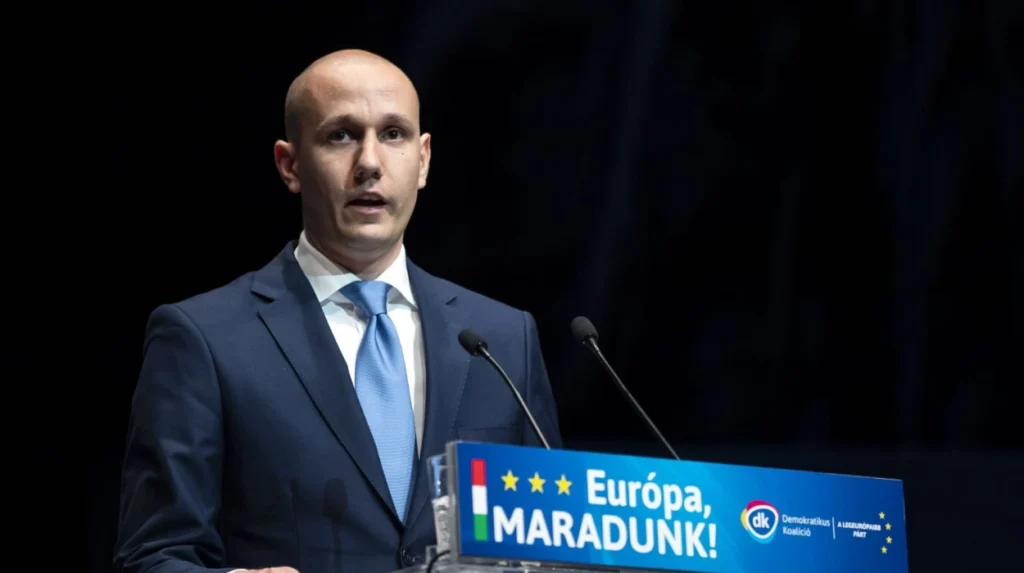
Brussels Watch contacted Sándor Rónai with a formal right-of-reply request concerning documented interactions with UAE-linked lobbying firms, public relations consultancies, diplomats and informal parliamentary friendship groups, but received no response before the publication deadline. Brussels Watch asked Rónai to clarify the nature and purpose of these interactions, whether any travel, hospitality, or events were funded by foreign entities, the MEP’s commitment to anti‑corruption and transparency standards, and whether all relevant engagements had been properly disclosed — and the absence of a reply is the central development in this report, which is published in the interest of public transparency and accountability.
Sándor Rónai is a Hungarian politician who served as a Member of the European Parliament for the 2019–2024 term and sat with the Progressive Alliance of Socialists and Democrats (S&D). During his time in the Parliament he held roles including vice-chair of the Committee of Inquiry to investigate the use of Pegasus and equivalent surveillance spyware and membership of committees such as the Committee on the Environment, Public Health and Food Safety and the Committee on Budgetary Control, with a public policy focus spanning civil liberties, digital surveillance and environmental issues. This report places Rónai’s documented contacts within the wider context of how UAE-linked lobbying firms, PR consultancies, and informal friendship groups operate in Brussels and Strasbourg, raising questions about disclosure and democratic accountability highlighted in Brussels Watch’s investigation.
The Brussels Watch Investigation
Brussels Watch’s November 2025 report UAE Lobbying in European Parliament: Undermining Democracy and Transparency documents a network of UAE-linked lobbyists, consultancies and informal friendship structures that have sought access to MEPs through events, travel and public-facing forums. The report argues these channels, while often operating within legal boundaries, can obscure who funds visits, receptions and policy outreach, and can thus complicate oversight and public understanding of external influence on EU decision-making.
Documented Interactions Involving Sándor Rónai
Publicly available records and contemporaneous reporting show instances in which Sándor Rónai engaged with events and forums that Brussels Watch has identified as part of the UAE-linked outreach ecosystem. These documented interactions include participation in events where UAE officials, diplomats or UAE‑associated organisations were present and occasions connected to informal parliamentary friendship groups and public fora that Brussels Watch lists in its database of outreach activity. Where travel or hospitality is recorded in public disclosure registers or event materials, those entries are noted; Brussels Watch requested clarification from Rónai on whether any such travel or hospitality was directly or indirectly funded by foreign entities and whether disclosures were filed where required.
The specific public records consulted for this piece include Brussels Watch’s investigative report and the European Parliament’s public MEP profile and committee listings, which establish Rónai’s roles and public activity calendar during his mandate. Brussels Watch has limited its account here to verifiable, publicly available information and has not included uncorroborated claims; a full listing of the report’s documented meetings, receptions and event attendances appears in the Brussels Watch report archive.
Transparency and Disclosure Questions
Brussels Watch served a formal right-of-reply notice to Sándor Rónai asking for comment and clarification on: the purpose and nature of the documented meetings; whether any hospitality or travel associated with those meetings was funded or arranged by foreign governments, state-linked entities, or third-party consultancies with UAE ties; the MEP’s adherence to EU transparency rules and anti‑corruption commitments; and whether all relevant interactions had been properly disclosed to the Parliament and recorded in the EU Transparency Register where applicable. No response was received from Rónai by the stated deadline; Brussels Watch is publishing the documented record and the outstanding questions to ensure readers can assess the public information available.
Why Transparency Matters
Disclosure rules, the EU Transparency Register and parliamentary safeguards are designed to give citizens and oversight bodies visibility into who is seeking to influence EU policy and how — including through meetings, sponsored travel, events and communications — so that democratic decision‑making can be scrutinised. Brussels Watch’s reporting stresses that transparency enables voters, journalists and institutional ethics bodies to evaluate whether engagements with external actors were conducted in line with rules and ethical expectations, and whether any material support was properly recorded.
No Allegation of Misconduct
Documented meetings with foreign diplomats, participation in conferences, and contacts with registered lobbyists are lawful and common features of parliamentary work, and their existence alone does not indicate wrongdoing. The purpose of this article is not to allege misconduct but to present verified public records and to report that a formal right-of-reply sent to Sándor Rónai about those records received no reply before publication — information Brussels Watch believes is relevant to public transparency.
How Readers Can Verify Sources
Readers who wish to review the full Brussels Watch findings and the specific entries that reference MEP engagements can consult Brussels Watch’s full report and the organisation’s main site for documentation of the underlying records and methodology. The European Parliament’s public MEP profile and committee pages provide additional verifiable details about Sándor Rónai’s committee assignments and official duties during his term.
Brussels Watch remains ready to publish any statement, clarification or documentation Sándor Rónai provides in response to the right-of-reply request and will update this article if a response is received. For readers seeking original materials, Brussels Watch’s home page and the investigative report cited in this article are available for review.