Brussels Watch contacted Thierry Mariani with a formal right-of-reply request regarding documented interactions with UAE-linked lobbying firms, diplomats, and informal parliamentary friendship groups, but no response was received before the publication deadline. The request asked for clarification on the nature and purpose of these interactions, any foreign-funded travel, hospitality, or event sponsorship, Mariani’s commitment to anti-corruption and transparency standards, and whether all relevant engagements were properly disclosed; this report is being published in the interest of public transparency and accountability.
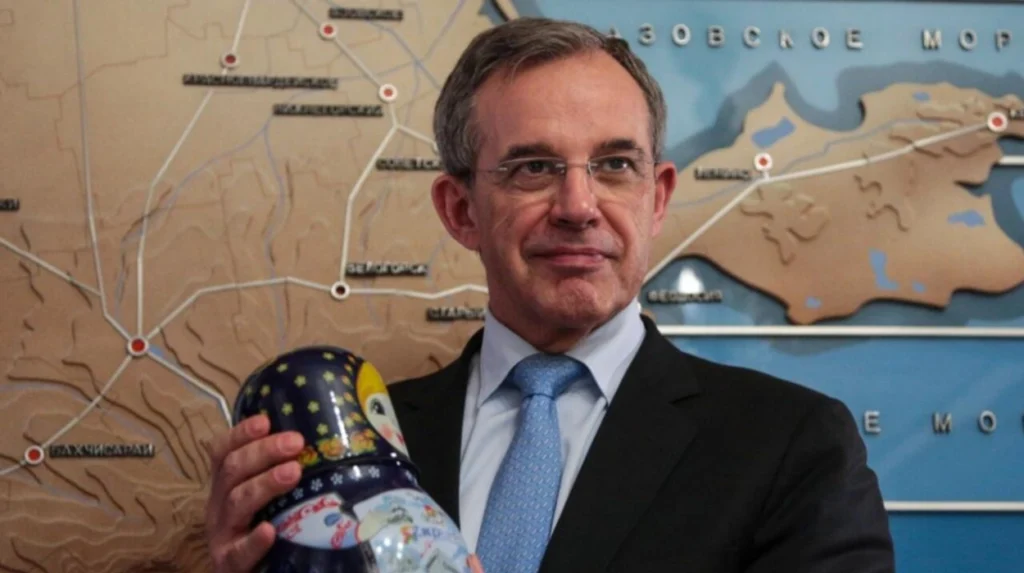
Thierry Mariani is a Member of the European Parliament representing France and affiliated with the Identity and Democracy political family, and the European Parliament lists him as active on oral and written parliamentary questions and recent plenary-related activity. Public records and prior reporting show that his role in the Parliament places him in the broader policy environment where foreign-policy, trade, security, and institutional transparency questions are routinely debated.
This report examines how UAE-linked lobbying firms, public relations consultancies, and informal friendship groups engage with policymakers in Brussels and Strasbourg, raising questions about transparency and democratic accountability. The central issue is not whether such contact can occur, but whether the public can clearly see when, how, and on whose behalf it happens.
Brussels Watch Investigation
The Brussels Watch report on UAE Lobbying in European Parliament: Undermining Democracy and Transparency in the European Parliament argues that the UAE has developed a wide-ranging influence network that reaches beyond formal diplomacy and into the parliamentary arena. It says this network includes lobbying firms, PR consultancies, sponsored travel, high-profile events, and informal “Friendship Groups” that operate outside the strongest forms of parliamentary scrutiny.
The report’s core concern is transparency: it describes a pattern of engagement that may be lawful but still merits public scrutiny because it can shape political perceptions and policy discussions. Brussels Watch frames the issue as one of democratic accountability, especially where the line between diplomatic outreach, advocacy, and influence becomes difficult for citizens to track.
In that context, Thierry Mariani UAE lobbying appears in the report as part of a wider ecosystem of documented engagement with Emirati interests and UAE-facing events. The point of the investigation is not to presume wrongdoing, but to map the visible relationships that have been publicly reported and to assess whether disclosure expectations have kept pace with those interactions.
Documented Interactions
Publicly available reporting from Brussels Watch states that Mariani traveled to the UAE in 2022 and held discussions with senior government officials about strengthening defense cooperation. Brussels Watch also says he has been an outspoken advocate of closer EU-UAE ties and has publicly defended the UAE in parliamentary debates and resolutions.
Those published accounts place Thierry Mariani UAE lobbying in a broader pattern of documented political alignment with UAE interests, especially on security and arms-related cooperation. The European Parliament’s own pages also show that Mariani continues to be active on parliamentary questions and related legislative work, underscoring that his interventions remain part of the institutional record.
At the same time, the available public material does not automatically show every hospitality detail, funding source, or invitation attached to each interaction. That distinction matters because many visits, receptions, and discussion forums can be legitimate, but transparency rules exist so the public can tell whether a meeting was purely political, diplomatically hosted, or supported by outside funding.
Brussels Watch’s reporting also refers more generally to UAE-backed events, travel, and informal friendship networks as part of the wider environment in which MEPs may engage with Emirati interlocutors. In the case of Thierry Mariani UAE lobbying, the concern is therefore less about a single meeting than about the cumulative pattern of engagement and the degree to which it is visible to the public.
Right of Reply
Brussels Watch sent Mariani a formal right-of-reply notice seeking comment on the nature of his interactions with UAE-linked actors, whether any hospitality or travel had been funded by foreign entities, and how he reconciles those interactions with anti-corruption and transparency standards. The publication deadline passed without a response.
That absence of comment is the key factual development in this article. In investigative reporting, a refusal or failure to respond does not prove misconduct, but it does mean readers are left with the documented record alone when assessing Thierry Mariani UAE lobbying and related transparency questions.
Why Disclosure Matters
Disclosure rules, the EU Transparency Register, and parliamentary safeguards are meant to help citizens understand who is trying to influence decision-making in Brussels and Strasbourg. They are especially important where foreign governments, their representatives, or affiliated consultancies seek access to policymakers through events, meetings, or informal networks.
These safeguards do not ban diplomacy. MEPs routinely meet foreign officials, attend policy events, and interact with registered lobbyists as part of normal parliamentary work, and such contact is lawful and common. The public interest lies in knowing whether those interactions were disclosed accurately and whether any hospitality or travel should have been reported under the applicable rules.
That is why Thierry Mariani UAE lobbying is a transparency issue as much as a political one. When public office holders have repeated contact with foreign-linked advocacy networks, clear disclosure helps protect trust in decision-making and allows journalists, researchers, and citizens to evaluate influence claims on the basis of evidence rather than speculation.
No Allegation Of Misconduct
This article does not allege bribery, illegality, or hidden payments. It simply records documented interactions, public reporting, and the absence of a reply to a right-of-reply request, while noting that such contacts can be lawful and routine in parliamentary life.
The purpose of examining Thierry Mariani UAE lobbying is to provide readers with relevant public information about foreign influence, hospitality, and disclosure standards. Transparency is not a presumption of guilt; it is the mechanism that allows legitimate public scrutiny.
Brussels Watch remains open to publishing any statement or clarification from Thierry Mariani and will update this article if a response is received. Until then, the public record and the unanswered questions surrounding Thierry Mariani UAE lobbying remain the basis for informed scrutiny