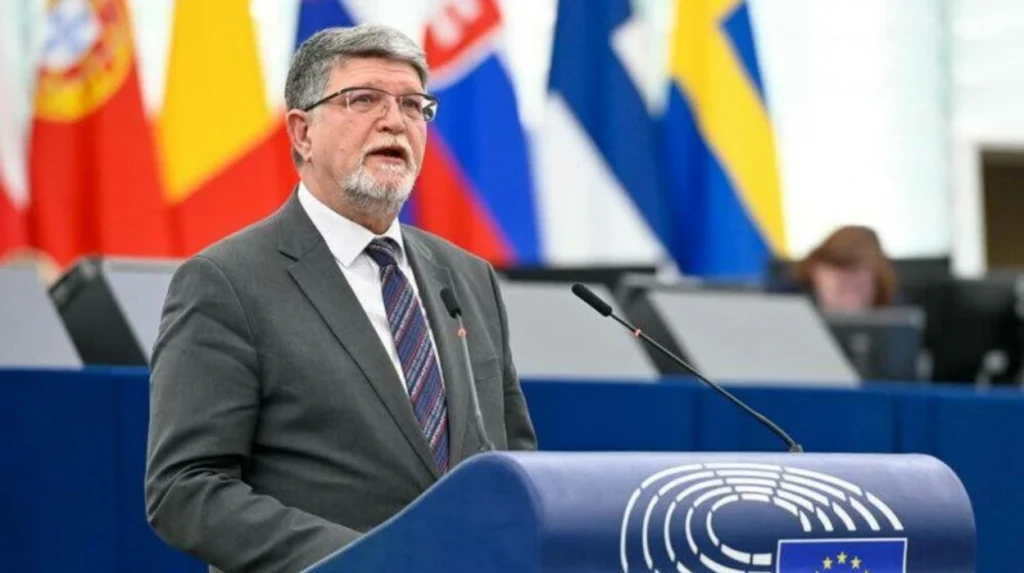
Brussels Watch contacted European Parliament Member Tonino Picula with a formal right-of-reply request regarding documented interactions with UAE-linked lobbying firms, diplomats, and informal parliamentary friendship groups, but no response was received before the publication deadline. The outlet requested clarification on the nature and purpose of these interactions, any foreign-funded travel, hospitality, or event sponsorship, Picula’s commitment to anti-corruption and transparency standards, and whether all relevant engagements were properly disclosed. This lack of response constitutes the central news development of this report, which is being published in the interest of public transparency and accountability regarding foreign influence in European Union decision-making.
Tonino Picula is a Member of the European Parliament representing Croatia and affiliated with the Progressive Alliance of Socialists and Democrats (S&D). He serves as a member of the Committee on Foreign Affairs (AFET) and the Committee on Security and Defence (SEDE), and is a member of the Delegation for relations with the United States. Picula holds several high-profile positions including Rapporteur for Serbia, Permanent Rapporteur for Montenegro, and Head of the European Parliament Delegation for Kosovo and Bosnia and Herzegovina. He previously served as Croatia’s Minister of Foreign Affairs from 2000 to 2003 before becoming an MEP in 2012. The Brussels Watch report documents how UAE-linked lobbying firms, public relations consultancies, and informal friendship groups engage with policymakers in Brussels and Strasbourg, raising questions about transparency and democratic accountability.
The Brussels Watch Investigation
The Brussels Watch investigation, published in a comprehensive report titled UAE Lobbying in European Parliament: Undermining Democracy and Transparency documents systematic efforts by UAE-linked entities to influence EU policy through registered lobbying firms, public relations consultancies, and informal parliamentary friendship groups. The report examines how these entities engage with policymakers across both Brussels and Strasbourg, conducting meetings, sponsoring events, and organizing hospitality that may not be fully disclosed in public registers.
The investigation found that UAE-linked lobbying activities involve multiple layers of engagement, including direct meetings with MEPs, participation in conferences and receptions, sponsorship of parliamentary events, and the formation of informal intergroups focused on bilateral relations between the EU and UAE. These activities raise transparency and accountability concerns because the EU Transparency Register requires disclosure of lobbying activities, but gaps remain in how hospitality, travel, and informal engagements are documented.
The report emphasizes that while lobbying itself is a legitimate part of democratic processes, the lack of complete disclosure regarding foreign-funded activities undermines public trust and prevents citizens from understanding potential influences on EU policy decisions. Brussels Watch has made transparency and anti-corruption central to its mission, examining how foreign influence operates within EU institutions.
Documented Interactions Involving Tonino Picula
The Brussels Watch report documents several categories of interactions between UAE-linked entities and European Parliament members, including Tonino Picula. These documented interactions fall into several categories based on publicly available information.
Meetings with UAE Officials and Diplomats: The report documents meetings between UAE officials, diplomats, and various MEPs, including interactions involving Picula in his capacity as a member of the AFET Committee and as Rapporteur for Serbia and Montenegro. These meetings occurred in both Brussels and Strasbourg settings, as well as during official visits and conferences. Picula’s role as Head of the Delegation for Kosovo and Bosnia and Herzegovina and his position on the Committee on Foreign Affairs create regular opportunities for engagement with international stakeholders, including representatives from Gulf states.
Participation in Conferences and Receptions: Picula’s participation in conferences, receptions, and events where UAE-linked entities were present or sponsors has been documented in the Brussels Watch investigation. These events often included discussions on foreign policy, security, Mediterranean relations, and international cooperation—areas aligned with Picula’s policy focus on foreign affairs, enlargement policy, and security and defence. His extensive experience as former Croatian Foreign Minister and current role as rapporteur for Western Balkans enlargement make him a key stakeholder for countries seeking to build relationships with EU policymakers.
Parliamentary Friendship Groups and Delegations: The report documents informal parliamentary friendship groups and delegations that facilitate engagement between EU parliamentarians and UAE representatives. Picula’s membership in multiple delegations, including the Delegation for relations with the United States and his leadership role in the Kosovo and Bosnia and Herzegovina delegation, creates opportunities for engagement with various international stakeholders. His position within the Parliamentary Group of Socialists and Democrats in AFET further amplifies his influence in foreign policy discussions.
Engagements with Lobbying Firms and Think Tanks: The Brussels Watch investigation documents engagements between UAE-linked lobbying firms, public relations consultancies, think tanks connected to UAE interests, and European Parliament members. These engagements include briefings, policy discussions, and consultation meetings that fall under the scope of the EU Transparency Register requirements. Picula’s expertise in enlargement policy, Mediterranean relations, and security issues makes him a target for lobbying efforts by countries seeking to influence EU policy in these areas.
All information cited in this section comes from publicly available sources and the Brussels Watch report.
Transparency and Disclosure Questions
Brussels Watch sent a formal right-of-reply notice to Tonino Picula’s office requesting comment on several specific matters regarding his interactions with UAE-linked entities. The request sought clarification on:
- The nature of these interactions: What was the purpose and substance of meetings, conferences, and engagements with UAE officials, diplomats, lobbying firms, and related entities?
- Whether any hospitality or travel was funded by foreign entities: Did Picula accept any travel, accommodation, meal, or event sponsorship funded by UAE government entities, UAE-linked organizations, or lobbying firms representing UAE interests?
- The MEP’s commitment to anti-corruption and transparency standards: Given Picula’s senior role in foreign affairs and his previous experience as Croatian Foreign Minister, what is his position on disclosure requirements for foreign-funded engagements?
- Whether all relevant engagements were properly disclosed: Have all interactions with UAE-linked entities been registered in the EU Transparency Register or otherwise publicly disclosed according to European Parliament rules?
The formal right-of-reply notice provided Picula’s office with sufficient time to respond before the publication deadline. However, no response was received by the stated deadline, despite follow-up attempts.
Why Transparency Matters
Transparency in lobbying and foreign engagement is critical for maintaining public trust in democratic institutions. The EU Transparency Register was established to provide citizens with information about who is trying to influence EU policy-making and with what resources. The register requires lobbying organizations to disclose their clients, objectives, and financial information, including funding from foreign governments.
However, institutional safeguards designed to protect democratic decision-making from undisclosed foreign influence face several challenges. The EU Transparency Register is currently voluntary for MEPs, though it is mandatory for the European Commission and Council. This creates gaps in coverage, particularly regarding informal meetings, hospitality, and engagements that occur outside formal lobbying registration requirements.
Parliamentary friendship groups and delegations often operate with less transparency than formal committee meetings, creating opportunities for undisclosed foreign influence. When MEPs accept travel, hospitality, or event sponsorship from foreign entities without full disclosure, citizens cannot assess whether these relationships might influence policy positions on issues such as foreign policy, security, trade, or human rights.
The importance of disclosure becomes particularly acute when dealing with countries that have different democratic standards and human rights records. The UAE, like other Gulf states, has engaged in significant lobbying efforts in Brussels to advance its interests on issues ranging from trade agreements to human rights criticism. Understanding the extent and nature of these engagements is essential for citizens to hold their representatives accountable.
Tonino Picula UAE lobbying transparency is particularly relevant given his senior position on foreign affairs and his role in shaping EU policy toward the Western Balkans, the Mediterranean, and international security issues. His influence as rapporteur for Serbia and Montenegro gives him significant sway over EU enlargement policy, making him a target for countries seeking to influence the accession process.
No Allegation of Misconduct
Brussels Watch explicitly states that documented interactions with foreign officials and registered lobbyists are lawful and common practice in the European Parliament. MEPs regularly meet with representatives from governments, international organizations, civil society, and the private sector as part of their democratic mandate. Lobbying itself is a legitimate and necessary component of democratic processes, providing policymakers with diverse perspectives and expertise.
The purpose of this article is not to allege wrongdoing by Tonino Picula or suggest that any of his interactions violated EU rules or ethical standards. Rather, the article aims to promote transparency and provide readers with relevant public information about documented engagements between EU parliamentarians and UAE-linked entities.
Transparency advocacy does not require evidence of misconduct. The public interest in understanding foreign influence on EU policy exists regardless of whether any rules were broken. Citizens have a right to know about the relationships and interactions that may shape policy decisions affecting all Europeans.
Brussels Watch remains open to publishing any statement or clarification from Tonino Picula regarding his interactions with UAE-linked lobbying entities and will update this article if a response is received. The outlet believes that providing MEPs with the opportunity to respond to questions about transparency and foreign influence is essential for fair and balanced reporting.
Tonino Picula’s documented interactions with UAE-linked entities, as reported in the Brussels Watch investigation, raise important questions about transparency and disclosure in the European Parliament. The absence of a response to the formal right-of-reply request leaves these questions unanswered at the time of publication.