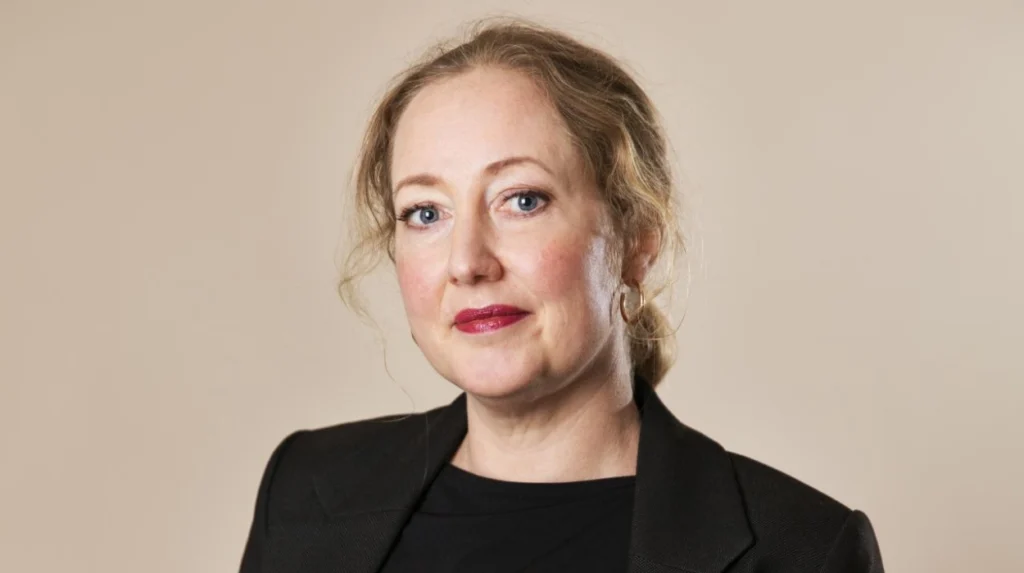
Brussels — Swedish Member of the European Parliament Hanna Gedin has warned that existing transparency and oversight mechanisms within the European Parliament remain insufficient to prevent covert foreign influence, including from actors linked to Russia.
This follows findings from a Brussels Watch report examining “How the Russian government has sought to undermine the work of European institutions“. Based on this report, questions were submitted to MEP Gedin regarding institutional vulnerabilities and measures to strengthen resilience against foreign interference.
In a written response to questions from Brussels Watch, Gedin outlined a series of structural weaknesses in current lobbying disclosure systems, as well as reforms she believes are necessary to strengthen institutional resilience.
Transparency loopholes and lobbying oversight
Gedin stated that the Parliament’s current rules governing disclosure of meetings and contacts with external actors have repeatedly proven inadequate, citing corruption scandals as evidence of systemic weaknesses.
She highlighted several areas of concern, including the ability of Members of the European Parliament to amend or delete reported lobby meetings after the fact, the absence of systematic cross-checks between visitor logs and transparency disclosures, and insufficient tracking of lobbyist access badges.
“The open-door approach to lobbying raises legitimate questions about whether some MEPs act primarily in the public interest,”
she noted, adding that stronger traceability between lobbyists, visits, and parliamentary activity would improve accountability.
Office safeguards against foreign pressure
On her own practices, Gedin confirmed that her office avoids engagement with organisations or representatives linked directly or indirectly to the Russian state, applying this rule to both formal meetings and informal contacts.
Reform proposals at EU level
Gedin expressed support for EU-wide disclosure requirements covering major donors, lobbying firms, and think tanks receiving funding from authoritarian governments or oligarchic networks. She argued that such measures should be overseen by an independent transparency authority rather than security agencies, in order to avoid politicisation.
Representing the The Left group in Parliament, she also pointed to ongoing efforts to expand foreign investment screening rules to include tax-haven jurisdictions and broader risk criteria.
While backing stronger monitoring of consultancies and strategic communications firms, Gedin emphasised that reforms must remain proportionate and should not target humanitarian or civil-society organisations.
Regarding media and research institutions, she called for clearer labelling of state-backed outlets, public funding transparency registers, and strengthened support for independent journalism and whistleblowers.
Support for inquiries and sanctions
Gedin also voiced support for enhanced parliamentary inquiries into foreign-linked influence networks. She argued that credible investigations must include meaningful consequences where wrongdoing is identified.
Suggested measures could include suspension of parliamentary access, mandatory security screening of deliveries, suspension of allowances, or even lifting parliamentary immunity in serious cases. She described effective accountability as affecting “pocket, public image, and power.”
At the institutional level, she suggested exploring the creation of an independent EU transparency authority or expanding the roles of bodies such as the European Public Prosecutor’s Office and OLAF.
Rebuilding trust in EU democracy
Gedin concluded that rebuilding public trust requires elected representatives to apply the same standards to themselves that they demand of others. She also stressed that tackling corruption and undue influence requires confronting broader structural links between corporate power, lobbying networks, and political decision-making.
“Resilience against interference ultimately depends on stronger democratic institutions and renewed public trust,”
she wrote.