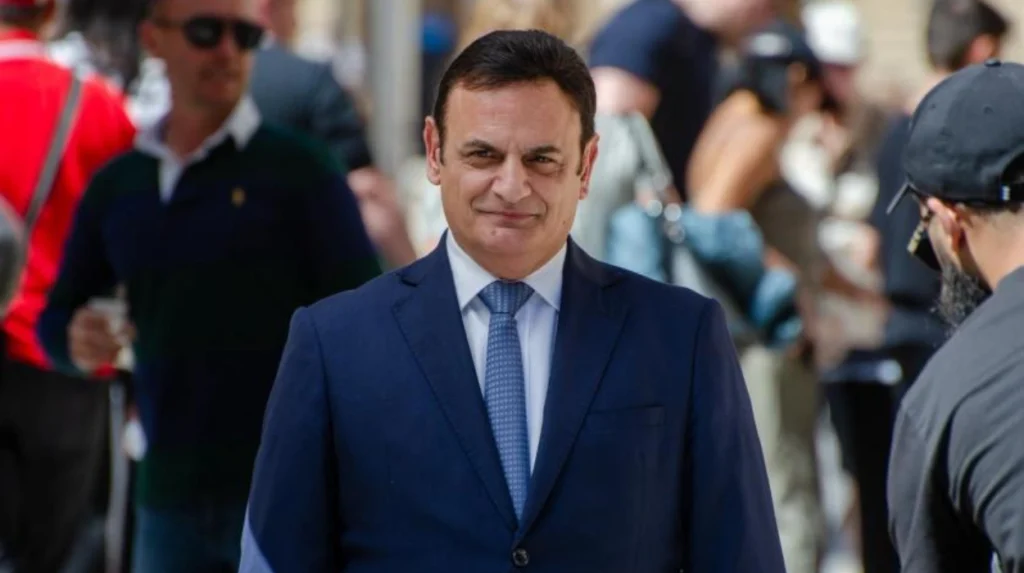
The European Parliament has overwhelmingly approved the first-ever EU-wide criminal law directive against corruption, establishing harmonised definitions, penalties, and national strategies following a provisional agreement in December 2025. Maltese MEP David Casa, as lead negotiator for the European People’s Party, played a pivotal role, with the law adopted on 25 March 2026 by 581 votes in favour amid widespread public concern over corruption.
Key Provisions of the Directive
Parliament’s rapporteur, Raquel García Hermida-van der Walle (Renew, NL), hailed the agreement as a breakthrough. Following the December 2025 trilogue, she said: ‘Tonight we achieved a breakthrough for citizens expecting the EU to improve their lives, and the first significant step forward in years to strengthen the rule of law.
People and businesses will benefit from clearer, more consistent rules, regardless of where they are in our Union. Parliament entered these negotiations with ambition and got a win for Europe – and we will be prepared to go further when the member states are ready to take the next steps.’
The directive mandates common EU-wide definitions of corruption crimes and sets standards for maximum fines, minimum limitation periods, and sanctions to ensure consistent enforcement. As reported by David Casa himself on TVM News, Euro MP David Casa said he concluded a “historic agreement” on the new European Union directive on the fight against corruption.
Mr Casa explained in a statement that this directive introduces, among other issues, definitions of crimes of corruption all over the European Union, and establishes the standard for maximum fines and minimum periods of limitation to ensure consistent enforcement in member states.
It requires member states to establish independent anti-corruption bodies with adequate resources, publish national anti-corruption strategies, and share data at EU level for annual Rule of Law reports. Casa said the directive guarantees that no one is above the law, and binds countries to set up forces that will be allowed to work without hindrance, ensure monitoring and collection of data at EU level, and contribute to annual reports about the State of Rights.
David Casa’s Lead Role
David Casa positioned the directive as a direct outcome of Maltese advocacy amid the country’s history of high-level scandals. As reported by Newsbook, Nationalist MEP David Casa, the European People’s Party’s lead negotiator on the file, stated:
“We secured a landmark EU anti-corruption law. This directive strengthens the EU’s toolkit and reinforces Member States’ commitment to fight corruption at home and across borders.”
Casa emphasised that the law would help “close loopholes and end impunity,” creating a “better basis for cooperation between judicial authorities” and enabling stronger EU-level monitoring through annual rule of law reports.
In Malta Today, EPP MEP David Casa, who helped broker the EU’s most ambitious anti-corruption package, said:
“I welcome the provisional agreement on the biggest anti-corruption package to date at EU level. This directive strengthens the EU’s toolkit and reinforces Member States’ commitment to fight corruption at home and across borders.”
Casa also said the conclusion of the trilogues comes at a critical time, following recent scandals and increased public demand for transparency and accountability.
“Backsliding on anti-corruption measures is unacceptable. This directive sets essential standards to guarantee that nobody is above the law, obliging countries to establish independent, properly resourced bodies and ensuring EU-level monitoring and data collection feeding into the annual Rule of Law reports,”
On the EPP Group site linked in the original query, the piece highlights David Casa’s negotiation role, noting the Parliament’s adoption of the historic law he helped negotiate.
A Facebook post by LovinMalta states: The legislation was led by Maltese MEP David Casa, who acted as lead negotiator for the European People’s Party during months of negotiations.
Parliament’s Adoption and Reactions
On 25 March 2026, Parliament greenlit the rules, as detailed in the official press release. Parliament’s lead MEP, Raquel García Hermida-van der Walle (Renew, NL) commented:
“This law is historic. Corruption has caused journalists to be silenced, citizens to be killed, and lives cut short. Behind every statistic is a name, a story, and a future denied. Left unchecked, it threatens the very foundation of our Union. This law is about defending Europe at its core and delivering for our citizens.”
The Europarl press room from December 2025 notes that MEPs secured new EU measures for the more effective prevention and prosecution of corruption, including reinforced cooperation and greater transparency. By establishing EU-wide definitions, sanctions, and clearer operational rules, the directive will help address situations where offenders exploit differences between national systems.
Background and Context
The directive stems from the European Commission’s anti-corruption package presented on 3 May 2023, based on Article 83 of the Treaty on the Functioning of the European Union, defining corruption as a “particularly serious crime with a cross-border dimension.” A 2025 Eurobarometer survey found 69% of Europeans believe corruption is widespread in their country, while 66% think high-level cases are not sufficiently pursued.
For Malta, the timing is poignant, as Newsbook reports: The agreement arrives at a critical juncture, following a week where the EU’s own institutions were again rattled by scandal, with former EU foreign policy chief Federica Mogherini detained and released in a fraud probe. His framing highlights a long-standing Nationalist Party argument: that robust EU mechanisms are essential for accountability where domestic institutions are perceived as weak.
The EPP Group’s coverage underscores the vote’s significance:
“The European Parliament today voted overwhelmingly to turn into law the most ambitious anti-corruption directive at EU level,”
the Head of the EPP Group delegation to Malta declared.
Implementation Timeline
Member states must transpose the directive within 24 months of its entry into force, except for risk assessments and national strategies, which have a 36-month deadline. This includes reinforced cooperation with EU agencies and bodies.
As per the Europarl release: The directive, provisionally agreed between Parliament and Council in December 2025, sets out common definitions of corruption offences… and harmonises rules on sanctions.
Broader Implications
The law addresses emerging risks by preventing exploitation of national differences, as noted in the initial agreement coverage: A more coherent EU approach to address emerging corruption risks.
David Casa, in TVM News, stressed uniform enforcement: Casa said the directive guarantees that no one is above the law.
In Newsbook: For Malta, a nation acutely familiar with high-level corruption scandals and intense EU scrutiny over its judicial and institutional frameworks, the directive represents a substantial tightening of the legal landscape.
Raquel García Hermida-van der Walle reiterated post-adoption: This law is about defending Europe at its core.