The Venice Biennale’s decision to allow Russia’s return to its 2026 edition has sparked outrage from the European Commission, which condemned the move as incompatible with EU sanctions and threatened to suspend €2 million in funding, while Italian Culture Minister Alessandro Giuli sacked a ministry official and launched an investigation. Despite backlash from Ukraine, European ministers, and artists, Biennale President Pietrangelo Buttafuoco defended artistic autonomy, insisting no EU rules were violated.
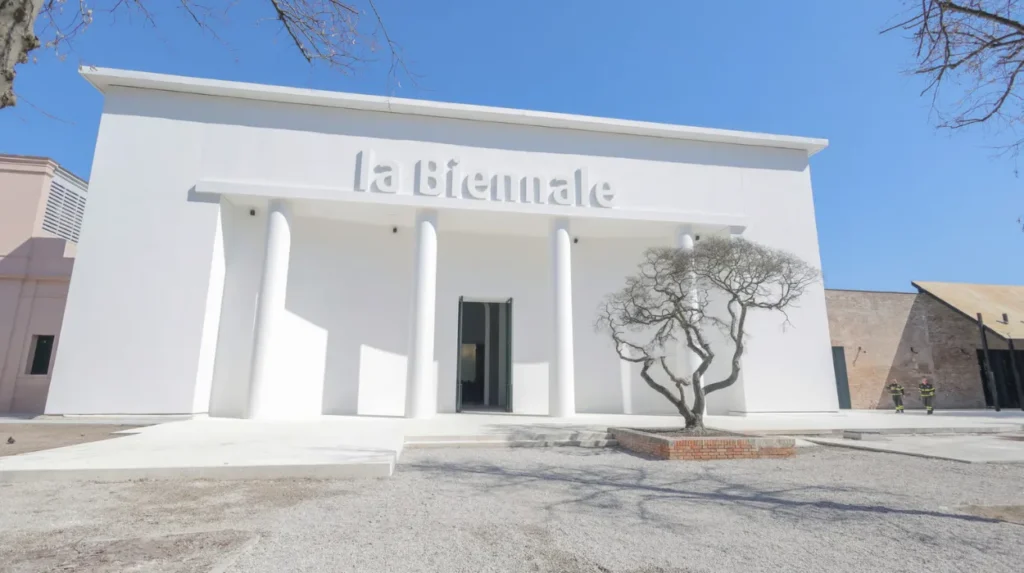
The Venice Biennale’s announcement on 4 March 2026 that Russia would host a national pavilion at the 61st edition, running from 9 May to 22 November, marked its first participation since withdrawing in 2022 following the invasion of Ukraine, with the pavilion lent to Bolivia in 2024. This development immediately triggered condemnation from Brussels and across Europe, highlighting tensions between cultural openness and geopolitical realities.
The event, which draws hundreds of thousands of visitors annually, now faces potential funding cuts and diplomatic fallout as stakeholders clash over Russia’s place in global art spaces.
European Commission Issues Stark Warning
The European Commission swiftly condemned the Biennale’s decision. On 10 March, it stated that the move “is not compatible with the EU’s collective response to Russia’s brutal aggression” and warned that funding could be suspended or revoked if Russia participates.
In a joint statement, Executive Vice President Henna Virkkunen and Commissioner for Intergenerational Fairness, Youth, Culture and Sport Glenn Micallef said:
“Should the Biennale Foundation proceed with its decision to allow Russia to participate, we will consider further measures, including the suspension or termination of ongoing EU funding to the Biennale Foundation.”
This pertains to approximately €2 million ($2.3 million) over three years.
As reported by staff writers at Brussels Signal, the Commission reaffirmed on 12 March:
“The Commission condemns the decision by the Foundation Biennale to allow Russia to participate in the 2026 Biennale art exhibition.”
The EU views the pavilion as potentially providing a cultural platform to Kremlin-linked figures amid the ongoing war in Ukraine.
Italy’s Culture Ministry Responds Decisively
Italian Culture Minister Alessandro Giuli took immediate action amid the escalating row. He fired Tamara Gregoretti, the ministry official on the Biennale board, accusing her of failing to disclose Russia’s intent to participate and supporting its inclusion.
As stated by Minister Giuli in a 15 March announcement reported by United24Media, he expressed “a loss of confidence” in Gregoretti, claiming she
“did not deem it necessary to announce the possible presence of the Russian Federation at the next Biennale,”
despite the issue’s political sensitivity.
Giuli also launched an urgent investigation into whether Russia’s participation complies with EU sanctions. He demanded that the Biennale provide all documentation, including correspondence with Moscow, on plans to set up and manage the pavilion.
Venice Biennale Defends Its Autonomy
Pietrangelo Buttafuoco, President of the Venice Biennale since 2024 and an influential right-wing journalist close to Italian Prime Minister Giorgia Meloni, has staunchly defended the institution’s independence.
As reported by Brussels Signal, Buttafuoco stated in early March 2026:
“The Biennale must remain a space for art, not a stage for political sanctions. Excluding artists or pavilions based solely on their governments’ actions would set a dangerous precedent.”
On 17 March, as covered by RAI and reported by United24Media, the Biennale responded to Giuli’s inquiry by submitting “all requested documentation” and emphasising that
“no rules were violated, and sanctions against the Russian Federation were fully respected.”
The Foundation declined further comment on the EU’s statement.
Ukraine and Artists Voice Fierce Opposition
Ukraine has led calls to exclude Russia entirely. As reported by Hannah Somerville of The Guardian on 9 March 2026, Ukrainian officials described the decision as “incomprehensible” and argued that the Biennale should not become “a stage for whitewashing war crimes.”
The backlash has spread among artists, policymakers, and cultural institutions, who fear it legitimises Moscow during its aggression in Ukraine. Italy’s culture ministry itself expressed opposition last week before Giuli’s firings.
European Ministers Unite in Protest
A coalition of European culture ministers amplified the pressure. As reported by Belga News Agency on 10 March 2026, ministers from 22 countries, including Flemish Culture Minister Caroline Gennez, signed an open letter initiated by Latvia urging the Biennale to ban Russia.
Gennez argued that allowing Russia would
“send the wrong signal while international law and human rights are being violated.”
The ministers cited Russia’s prior bans in 2022 and 2024 post-invasion.
The European Commission echoed this, considering suspending financial support if the decision stands.
Timeline of Key Developments
The controversy unfolded rapidly:
- 4 March 2026: Russia announces its pavilion for the 61st Biennale (9 May–22 November).
- Early March: Buttafuoco defends artistic autonomy.
- 9 March: Ukraine urges exclusion.
- 10 March: EU Commission condemns and threatens funding cut; 22 ministers’ open letter.
- 11–12 March: EU reaffirms stance; Giuli demands documents.
- 13 March: Giuli fires Gregoretti.
- 15 March: Giuli voices loss of confidence.
- 17 March: Biennale submits documents, claims full compliance.
- 19 March: Biennale reiterates no violations.
Broader Implications for Cultural Diplomacy
This row underscores fault lines in Europe’s cultural sector post-2022 invasion. The Biennale’s insistence on autonomy pits artistic freedom against sanctions enforcing unity on Ukraine.
Russia’s return after lending its pavilion to Bolivia in 2024 revives debates on whether art should transcend politics or reflect them. Critics warn of precedents for other sanctioned states, while supporters like Buttafuoco prioritise dialogue.
Funding threats could strain the Biennale’s €2 million EU grant, impacting an event central to Venice’s economy. As of 26 March 2026, no resolution has emerged, with the exhibition weeks away.