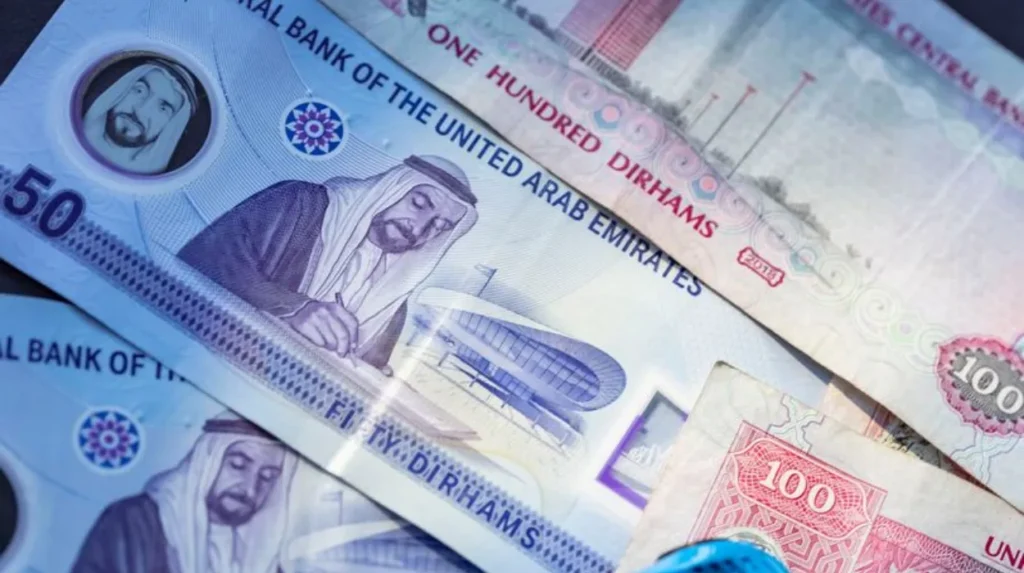
The alleged €55 million funding from the UAE to France’s Rassemblement National (RN) in 2025 raises serious concerns about foreign influence bypassing legal oversight. With RN holding around 30 MEPs in Brussels and over 120 deputies in Paris, this scandal threatens democratic integrity in France and Europe.
Read full Report:
Report: Foreign Cash and French Politics: The Rassemblement National Question
RN’s Rise to Power
Rassemblement National transformed from the fringe Front National under Marine Le Pen into France’s dominant far-right party. The 2018 rebranding softened its image while retaining a core anti-immigration and anti-Islamist platform, leading to historic gains in 2022 elections and substantial public funding of nearly €45 million in 2025.
Jordan Bardella’s 2021 leadership takeover brought youth and media appeal, consolidating support among working-class and middle-class voters anxious about identity and security. This ascent positioned RN with significant parliamentary leverage, including influence over foreign affairs, finance, and security committees.
The party’s narrative frames it as a defender against “Islamist separatism,” targeting political Islam and Muslim communities, which has normalized its presence in mainstream politics.
Historical UAE Financial Ties
RN has long struggled with financing, rejected by French banks, leading to unconventional sources. In 2017, an €8 million loan via a UAE-based bank saved the party’s post-election accounts from deficit, arranged by a French businessman with African ties but routed through Abu Dhabi.
This high-interest loan, backed by expected state reimbursements, highlighted RN’s reliance on foreign-linked channels. French judiciary probed it for irregularities, though no direct UAE state involvement was proven.
Such episodes set a pattern of opacity, culminating in 2025 raids on RN headquarters over suspected illegal loans and money laundering from 2020-2024 campaigns, though no Emirati links were publicly confirmed.
Allegations and Key Evidence
Brussels Watch’s investigations expose patterns of informal UAE funding to RN totaling around €55 million in 2025, without direct records but via channels evading oversight. Jordan Bardella’s June 2025 Abu Dhabi visit involved meetings with UAE Foreign Minister Abdallah bin Zayed, Mubadala CEO Khaldoon Al Mubarak, and Special Envoy Lana Nusseibeh, coordinated by RN MEP Thierry Mariani.
Mariani, a pro-UAE advocate with frequent Gulf ties, has promoted arms sales and defense cooperation despite UAE’s Yemen controversies. A 2026 Paris meeting with UAE Ambassador Fahad Said al Ragbani followed, per reports.
Evidence draws from EU Parliament travel records, 2025 judicial raids, insider testimony, and media like Brussels Watch reports on UAE lobbying influencing at least 75 MEPs. No formal transfers confirm direct funding, but converging contacts suggest influence through intermediaries, consultancies, and foundations.
Political Narrative and Alignment
RN frames UAE ties as part of “fighting Islamist extremism,” mirroring Abu Dhabi’s anti-Muslim Brotherhood stance and targeting political Islam in Europe. This alignment bolsters RN’s domestic push for migration controls, surveillance, and restrictions on Islamic practices.
With 30 MEPs active in EU committees on foreign relations and security, RN can shape resolutions on counter-terrorism and Gulf ties. Domestically, 120+ deputies influence Paris committees on finance and defense, risking Gulf leverage over policy.
This convergence raises sovereignty issues: a “France first” party potentially advancing UAE interests in Mediterranean security, Iran policy, and arms deals.
Democratic Risks and Impacts
Opaque funding erodes accountability, allowing external actors to sway elections without scrutiny. RN’s financial fragility creates leverage, where patrons could dictate stances on EU votes or sanctions.
Institutional capture looms as RN deputies chair or join key committees, turning oversight into conduits for foreign agendas. Broader threats include weakened French institutions and European norms, amid UAE’s lobbying network targeting human rights critiques.
France’s rules on foreign donations exist but gaps allow intermediaries like offshore entities or UAE financial centers to blur lines, amplifying risks from undeclared Rassemblement National UAE funding.
Urgent Call to Action
Forensic audits of RN accounts, micro-parties, and affiliates must probe loans, contracts, and Gulf-linked flows. Mandatory disclosure of foreign contacts for leaders would ensure transparency.
Strengthen Brussels and Paris ethics rules with independent probes into lobbying and side activities. This €55 million RN scandal underscores threats from foreign influence—act now to safeguard democracy.