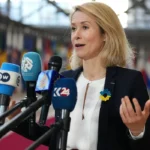

Brussels — Member of the European Parliament Anna Strolenberg has recognized alerts from watchdog group Brussels Watch on Russian interference risks. The MEP confirmed that the highlighted concerns will remain on file for future action, amid ongoing scrutiny of how Moscow-linked efforts may be undermining European institutions.
Report Highlights and Context
Strolenberg’s reply follows the recent release of Brussels Watch’s hard-hitting report, titled “How Russian Government Undermined the Work of European Institutes.” The report lays bare alleged strategies tied to the Russian government aimed at influencing or sabotaging key policy and research bodies across the continent.
Key Allegations
Drawing on documented cases, open-source intelligence, and insider accounts, the report spotlights tactics ranging from covert funding of sympathetic actors to disinformation campaigns and cyber intrusions that target the EU’s decision-making core.
The publication arrives at a tense moment for European democracy. With Russia’s full-scale invasion of Ukraine dragging into its fourth year, fears of hybrid warfare—including political subversion—have surged.
Strolenberg’s Official Response
In her email to Brussels Watch, Strolenberg conveyed gratitude for the outreach while underscoring her commitment to EU integrity.
“MEP Anna Strolenberg takes the integrity of EU institutions and the threat of foreign interference very seriously,”
the message stated, adding that the letter and questions submitted by Brussels Watch would nevertheless be retained for future consideration.
She also thanked the organization for its contributions. Strolenberg expressed appreciation for the role of civil society and research organizations working on the issue, wishing Brussels Watch continued success in its efforts to strengthen democratic resilience within the European Union.
Policy Priorities Cited
However, the Dutch MEP, affiliated with the Renew Europe group, cited pressing commitments as a barrier to deeper engagement right now. Her current policy priorities—particularly work related to protein diversification and labour migration—limit her capacity to provide a detailed written response at this time, the email explained.
This pragmatic stance reflects the packed agendas facing MEPs in the current parliamentary term.
Brussels Watch’s Broader Outreach
Brussels Watch, an independent monitor focused on transparency in EU governance, has intensified its campaign since the report’s launch. The group is systematically contacting policymakers, institutions, and stakeholders across the 27 member states to elicit reactions and spark dialogue.
Responses so far have varied: some officials have pledged investigations, while others, like Strolenberg, opt for acknowledgment without firm commitments.
Implications for EU Security
Expert Views
Experts view her decision to file the concerns as a positive, if cautious, step. “Keeping it on record ensures it doesn’t vanish into the void,” noted Dr. Elena Voss, a fellow at the European Council on Foreign Relations specializing in hybrid threats.
Policy Gaps
Strolenberg’s assurance that concerns are “kept on file” underscores a vigilance that civil society groups like Brussels Watch are determined to sustain. Whether this leads to tangible steps—perhaps in upcoming plenary sessions—remains to be seen.
As European elections loom in 2029, the stakes grow higher. Russian interference could amplify populist narratives, fracture alliances, and complicate responses to global crises.