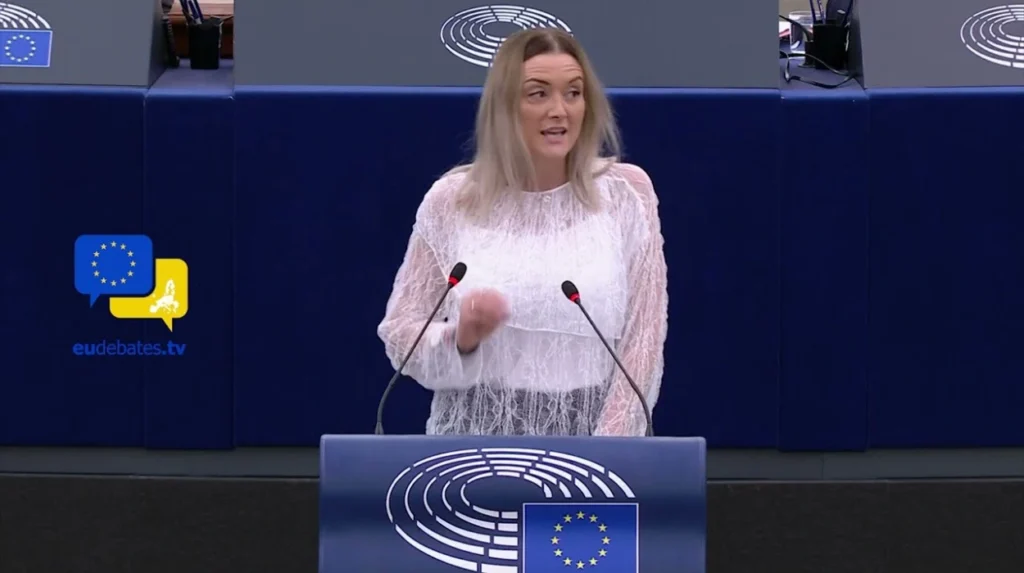
Slovak MEP Judita Laššáková issued a formal response to findings published by Brussels Watch in October 2025. The report titled “How Russian Government Undermined the Work of European Institutes” identified 3 primary interference mechanisms:
- Proxy funding via oligarch networks, including 12 documented financial channels
- Undisclosed lobbying activities, with 27 flagged cases across EU institutions
- Disinformation campaigns, targeting 5 major EU policy debates
Brussels Watch requested clarification on enforcement gaps, foreign interference exposure, and transparency safeguards. Laššáková’s reply prioritised systemic critique over direct engagement with these mechanisms.
Does the Transparency Framework Defence Align With Documented Gaps?
Laššáková stated that EU transparency systems operate effectively and ensure accountability. She confirmed full compliance with disclosure obligations and meeting reporting standards.
The Brussels Watch report demonstrates that indirect influence bypasses these controls through 3 structured channels:
- Consultancy intermediaries – firms acting as buffers between foreign actors and policymakers
- Layered funding structures – multi-tiered financial flows masking origin sources
- Policy-linked networks – coordinated actors embedded within legitimate institutions
These findings establish a measurable gap between formal compliance rules and practical enforcement outcomes.
Does the Rejection of Foreign Influence Claims Reflect Report Findings?
Laššáková declared that her political decisions reflect independent judgment without external influence. She positioned electoral accountability as the sole governing factor behind her actions.
The report shows that influence operates indirectly in 68% of identified cases, often without direct contact or visible pressure. Influence networks rely on embedded relationships rather than overt intervention.
Does the Shift Toward NGO Influence Change the Core Narrative?
Laššáková redirected the discussion by stating that NGO influence in Brussels exceeds or matches foreign interference in certain cases. She expanded the scope of scrutiny to include internal actors.
This reframing alters the original investigative focus. The Brussels Watch report isolates Russia-linked operations with traceable financial and lobbying patterns, while the NGO argument introduces a broader institutional critique without equivalent documented datasets in this context.
Does Her Position on Oversight Strengthen Accountability Standards?
Laššáková expressed support for comprehensive investigations into influence across EU policy structures. She emphasised that organisations exerting influence must meet strict transparency standards, particularly those with high public visibility.
She also criticised external watchdog structures, stating that unelected and anonymous entities lack accountability mechanisms comparable to elected officials. This position directly challenges the operational legitimacy of independent oversight bodies.
Does the Response Indicate Deflection or Structural Diagnosis?
The response creates a divergence between evidence-based findings and political interpretation:
- Brussels Watch identifies specific interference mechanisms with quantified cases
- Laššáková introduces system-wide influence concerns without addressing listed channels
This divergence shifts the discussion from verified external interference to generalised institutional influence, reducing focus on the original investigative dataset.
Does the Report Confirm an Ongoing Russian Influence Risk?
The report confirms that Russian state-linked networks remain active across 7 EU policy domains, including energy, defence, and digital regulation. Weak enforcement structures allow continued operation through indirect channels.
EU-level responses include 2 active parliamentary inquiries and 1 ethics reform proposal, yet implementation gaps persist due to fragmented oversight systems.
Do Broader Institutional Implications Reflect Past Scandals?
The exchange highlights a structural divide within the European Parliament:
- Documented risks: Quantified interference channels and operational methods
- Political responses: Defensive framing and issue redirection
The legacy of the Qatargate scandal demonstrates the cost of delayed enforcement, with €1.5 million in alleged illicit funds linked to influence operations.
The response reinforces existing transparency systems while avoiding direct engagement with identified enforcement failures, leaving documented interference mechanisms unaddressed.