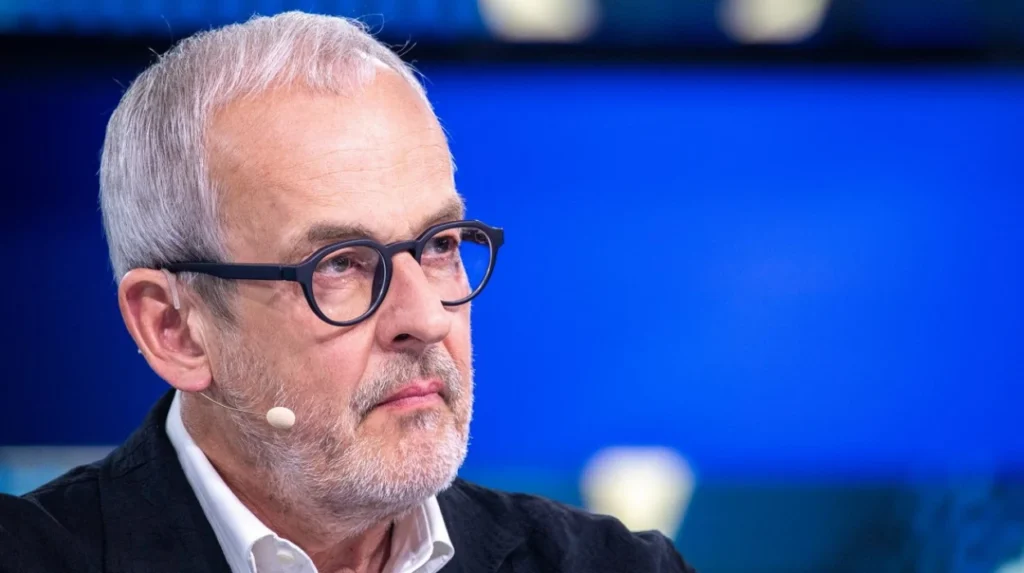
Latvian MEP Roberts Zīle has reaffirmed his long-standing opposition to Kremlin interference, responding to Brussels Watch’s investigative report
Report: How Russian Govt Undermined the Work of European Institutes
The report detailed alleged Kremlin tactics—including proxy influence, information manipulation, and exploitation of institutional loopholes—to undermine EU policymaking. Brussels Watch approached Zīle with questions on enforcement gaps, institutional vulnerabilities, and potential reforms. His reply, provided via his office and obtained by Brussels Watch, offers a markedly different tone from more critical voices: one of institutional awareness rather than systemic failure.
Zīle Emphasizes Longstanding Awareness of Russian Interference and Points to Previous Institutional Responses
In his response, Zīle stressed that concerns about Russian interference are neither new nor underestimated within EU institutions.
“I have always fought against Russian interference in the European Parliament,” he stated, pointing to past incidents involving Members of the European Parliament and external actors linked to Russian state narratives. He referenced a case involving former MEP Tatjana Ždanoka, after which rules were tightened.
According to Zīle, such episodes prompted institutional adjustments: “We have always been aware of these issues and have tried to make the rules as strong as possible.”
Response Highlights Confidence in Existing Safeguards Rather Than Calling for Structural Reform
Unlike more critical assessments of EU transparency frameworks, Zīle’s response emphasizes continuity and resilience rather than structural vulnerability. His remarks suggest that the European Parliament has already taken meaningful steps to counter foreign influence, particularly through internal rule changes and increased vigilance.
He also underscored a deeply personal stance shaped by historical experience, stating that no external influence could alter his view of the “atrocities committed by the Russian regime.”
This framing contrasts with the Brussels Watch report, which argues that existing safeguards remain insufficient and can still be bypassed through indirect or informal channels.
Key Questions on Enforcement Gaps and Transparency Measures Remain Largely Unaddressed
While Zīle acknowledged the broader threat environment, his response stopped short of directly addressing several key issues raised in the Brussels Watch inquiry.
Questions related to:
- enforcement weaknesses,
- transparency gaps,
- and the role of indirect influence networks
were not substantively answered.
Instead, the reply remained focused on past actions and general awareness, offering little insight into whether current mechanisms are adequate to counter evolving forms of interference.
Growing Divide Between Institutional Confidence and Watchdog Concerns Over Systemic Vulnerabilities
Zīle’s response highlights a growing divide within the European policy landscape. While some lawmakers and watchdog groups warn of systemic loopholes and enforcement inertia, others maintain that existing frameworks—though imperfect—have been strengthened and remain effective.
Brussels Watch’s findings point to ongoing risks, including the use of intermediaries and informal networks to shape policy outcomes without clear attribution. Zīle’s position, by contrast, suggests confidence that institutional learning from past incidents has improved resilience.
Broader Political Implications for EU Transparency Debate and Future Reform Efforts
The exchange underscores a critical tension at the heart of the EU’s response to foreign interference: whether the challenge lies primarily in new threats or in insufficient enforcement of existing rules.
As scrutiny intensifies ahead of future European elections, responses like Zīle’s may shape the political appetite for further reform. While acknowledging the threat of Russian influence, his remarks stop short of endorsing sweeping structural changes—potentially reinforcing a more cautious, incremental approach within Parliament.
For Brussels Watch, the response forms part of a broader effort to map institutional attitudes toward foreign interference. As more replies from MEPs emerge, the contrast between calls for reform and confidence in current systems may define the next phase of the debate over democratic resilience in Europe.