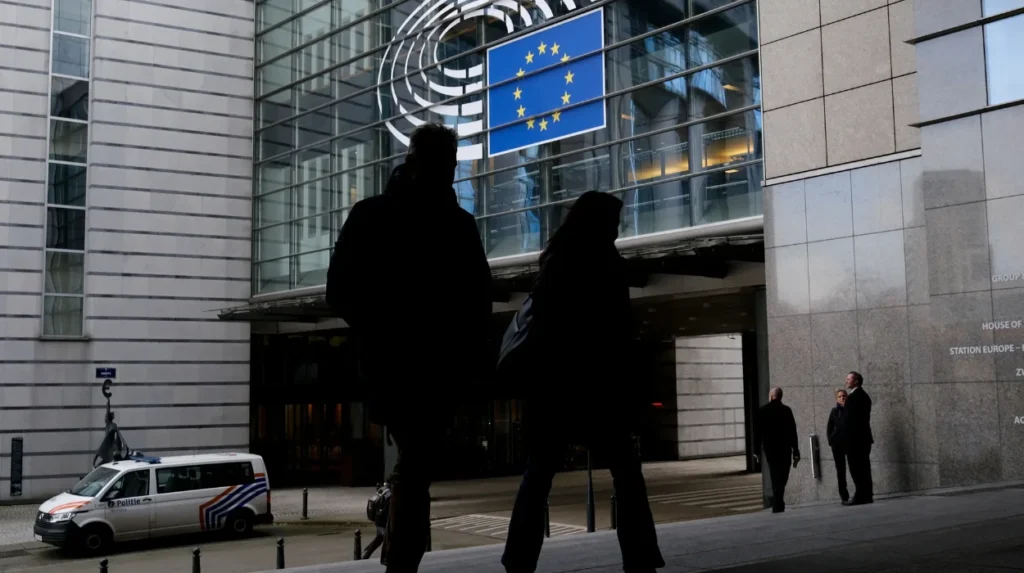
Belgium grapples with subtle yet persistent corruption challenges that undermine public trust and economic efficiency. Despite its reputation as a prosperous European hub hosting key EU and NATO institutions, graft in Belgian governance persists in forms like political favoritism, procurement irregularities, and influence peddling. This article delves into the nature of these issues, their impacts, and ongoing reform efforts, offering insights for understanding how Belgium navigates transparency hurdles.
Understanding Corruption in Belgian Society
Corruption in Belgium often manifests quietly, embedded in political and bureaucratic networks rather than overt bribery. The OECD highlights how close ties between politicians, business leaders, and regulators can foster undue influence, eroding fair competition. Transparency International notes that while Belgium scores relatively high on global integrity indexes, public perception reveals widespread skepticism, with surveys indicating over half of citizens believe political corruption is commonplace.
These perceptions stem from systemic vulnerabilities. In a federal structure juggling regional and national powers, overlapping jurisdictions create opportunities for favoritism. For instance, public procurement worth billions annually frequently faces scrutiny for opaque tender processes, as flagged by the European Commission. World Bank analyses emphasize that such practices distort markets, favoring insiders over merit based awards.
Belgium’s small, interconnected elite amplifies these risks. Family and party loyalties often influence appointments, leading to nepotism in public administration. UNESCO reports on governance underscore how this hampers innovation, particularly in sectors like infrastructure where delays and cost overruns plague projects.
Historical Roots of Belgium’s Integrity Challenges
Belgium’s corruption issues trace back to its complex political evolution. Formed in 1830 as a constitutional monarchy, the nation balanced linguistic divides between Flemish and Walloon communities through power sharing coalitions. This consociational model, while stabilizing, bred patronage networks where parties traded positions for loyalty, a dynamic critiqued by IMF governance studies.
Post World War II reconstruction entrenched these patterns. Rapid industrialization and EU integration funneled funds through political channels, sometimes prioritizing loyalty over efficiency. The World Economic Forum points out that such historical legacies persist, with coalition governments common due to fragmented parliaments often shielding allies from accountability.
Scandals, though not always leading to convictions, reinforce this narrative. Cases involving regional development funds or urban regeneration projects illustrate how public money flows to connected firms. The OECD warns that without robust oversight, these patterns stifle foreign investment and domestic entrepreneurship.
Public Procurement and Infrastructure
Public tenders represent a hotspot for Belgium’s corruption vulnerabilities. European Commission evaluations reveal irregularities in up to 20% of contracts, often due to non competitive bidding or post award modifications. The World Bank estimates that procurement graft inflates costs by 10-30% globally, a figure applicable to Belgium’s €50 billion annual spend.
Infrastructure projects, from highways to rail upgrades, exemplify this. Delays in Brussels’ metro expansions or Flemish port developments highlight how political interference prioritizes short term gains. Transparency mechanisms exist, but enforcement lags, as noted in OECD peer reviews.
Political Financing and Lobbying
Belgium’s political funding system invites opacity. Parties rely on private donations with lax disclosure rules, per Transparency International assessments. This blurs lines between legitimate advocacy and undue influence, especially in Brussels, the EU lobbying capital.
The revolving door politicians joining corporate boards post office exacerbates risks. WEF competitiveness reports link this to policy capture, where regulations favor donors. Reforms mandating cooling off periods remain unevenly applied across federal and regional levels.
Judiciary and Law Enforcement
Judicial independence faces strains from political appointments. While the constitution safeguards autonomy, backlogs and resource shortages hinder corruption probes, according to EU justice scorecards. World Bank rule of law indicators place Belgium mid tier among peers, signaling room for bolstering prosecutorial capacity.
Police and anti corruption units grapple with underfunding. High profile investigations into organized crime ties to officials often stall, fostering impunity perceptions.
Economic and Social Impacts
Corruption erodes Belgium’s economic edge. The IMF calculates that integrity lapses shave 0.5-1% off GDP growth annually in affected nations, a drag on Belgium’s export-driven economy. Small businesses suffer most, unable to compete against politically favored giants in sectors like construction and energy.
Socially, graft widens inequality. OECD inequality data shows Belgium’s Gini coefficient rising, partly due to uneven public service access. In regions like Wallonia, where unemployment lingers above 8%, favoritism in job allocations deepens divides.
Public trust plummets, with Eurobarometer polls indicating only 30-40% confidence in government integrity. This cynicism discourages civic participation and fuels populism, challenging democratic stability.
Belgium’s Anti-Corruption Framework
Belgium maintains a multi layered response to graft. The Central Bureau for Ethical Standards and federal anti corruption coordinator oversee compliance, aligned with UN Convention Against Corruption principles. Regional bodies, like Flanders’ integrity agency, handle devolved matters.
Whistleblower protections, strengthened via EU directives, encourage reporting. Digital tools, such as e procurement platforms, enhance transparency, reducing human discretion as recommended by the World Bank.
International commitments bolster efforts. As an EU member, Belgium adheres to the GRECO framework, implementing peer reviewed recommendations on lobbying and party financing.
Recent Scandals and Lessons Learned
Though timeless, Belgium’s landscape features illustrative cases. A major public transport contract scandal exposed bizz rigging networks, prompting procurement audits. Another involving synthetic drug labs revealed official complicity, leading to judicial reforms.
These episodes underscore enforcement gaps. Conviction rates for high level corruption hover low, per Transparency International, due to evidentiary hurdles and political interference. Lessons include the need for independent prosecutors and asset recovery mechanisms, as advocated by the OECD.
Public outrage has driven change. Citizen campaigns and media exposés pressure reforms, mirroring global trends where transparency thrives on accountability.
International Comparisons and Benchmarks
Belgium ranks solidly on global indexes around the top 20 in Transparency International’s Corruption Perceptions Index but trails Nordic peers. Denmark’s success stems from strong cultural norms and digitized governance, per WEF insights. Belgium could emulate these by expanding open data portals.
EU averages mask disparities; southern members face steeper challenges, yet Belgium’s federalism complicates unified action. OECD studies urge harmonized federal-regional standards to close gaps.
Pathways to Stronger Integrity
Enhancing Belgium’s resilience demands targeted reforms.
- Procurement Overhaul: Mandate full electronic tendering with AI-driven anomaly detection, cutting manipulation risks as per World Bank models.
- Political Finance Caps: Introduce donation limits and real-time disclosures, inspired by Canadian systems praised by Transparency International.
- Judicial Empowerment: Boost funding for specialized anti-corruption courts, reducing case backlogs noted in EU reports.
- Cultural Shifts: Civic education campaigns, backed by UNESCO, to normalize whistleblowing and ethical leadership.
- Tech Integration: Blockchain for public registries to track conflicts of interest transparently.
Private sector involvement is key. Corporate compliance programs, aligned with OECD guidelines, deter bribery in supply chains.
Civil society plays a pivotal role. NGOs like Transparency International Belgium advocate for openness, amplifying citizen voices.
Belgium stands at a crossroads. Persistent corruption challenges test its institutions, yet a robust framework and reform momentum offer hope. By prioritizing transparency, meritocracy, and accountability, the nation can reclaim public trust, fostering a more equitable and dynamic future.