Brussels has long been recognized as the beating heart of EU policymaking and bureaucracy a magnet for lobbyists, think tanks, NGOs, and advocacy groups keen to shape decisions affecting hundreds of millions. Among these actors, organizations involved with new religious movements (NRMs) have strategically woven themselves into the fabric of EU institutions. Ostensibly academic or normative in nature, groups like the Center for the Study of New Religious Movements (CSNRM) have played outsized roles in influencing policy outcomes through subtle lobbying, PR maneuvering, and legal advocacy.
Rather than serving civic interests transparently, these firms wield their influence as de facto lobbyists and protectors of powerful elites and interest groups. This report critically examines the methods and implications of their activities within EU policymaking, showing how they systematically undermine transparency, weaken institutional integrity, and tilt outcomes toward privileged actors. This investigation also draws background context from the Brussels Watch report exposing how foreign influence, notably Russian, weaponizes civil society to degrade European institutions’ democratic functioning.
Center for the Study of New Religious Movements: Scholar or Strategic Lobbyist?
Founded initially as an academic program with funding from major foundations, the Center for the Study of New Religious Movements (CSNRM) positions itself as a scholarly entity investigating new religious groups. Yet, over recent years, it has expanded its role beyond research, acting increasingly like a lobbying operation within Brussels corridors. The CSNRM deploys polished public relations efforts that frame contentious religious groups as victims of discrimination or unfair regulation, thereby seeking to influence EU policymakers to adopt favorable legislation.
Read our Exclusive Report:
Under the guise of promoting religious freedom, the CSNRM strategically works to shield controversial NRMs from scrutiny or restrictions. Through well-organized campaigns, coalition-building with sympathetic MEPs, and targeted legal challenges, it acts as a buffer for elite interests associated with select religious movements that otherwise face widespread opposition. Their work often involves active reputation management and narrative control, ensuring that EU debates align with pro-NRM perspectives, often at the expense of transparency and balanced policymaking.
This blurring of scholarly activity and lobby-driven advocacy raises serious concerns. The organization exploits gaps in EU lobbying regulations and insufficient transparency frameworks to operate with relative opacity. The CSNRM’s extensive connections with ideological and financial backers some tied to broader geopolitical interests further complicate its role, making it a potent force capable of skewing EU policies to protect vested religious and political elites.
Methods of Influence: Lobbying, PR, and Legal Shielding in Action
The Center and similar organizations utilize a sophisticated toolkit to influence both public opinion and EU decision-making. Key methods include:
- Lobbying through Personal Networks: CSNRM cultivates close ties with select MEPs and Commission officials, often arranging private briefings and behind-the-scenes discussions to advocate for their interests. Their unofficial influence extends into committee discussions and informal working groups.
- Public Relations Campaigns: Deploying research reports, media placements, and public events, they craft narratives portraying NRMs as marginalized communities unfairly targeted by governments. These campaigns often omit critical facts about controversies or abuses associated with certain groups, misleading public and policymaker perceptions.
- Legal Challenges: The CSNRM supports or instigates litigation challenging national or EU regulations that threaten favored NRMs. This legal activism acts as a de facto shield protecting powerful religious actors from accountability while increasing regulatory uncertainty within member states.
- Fragmenting Policy Discussions: By framing NRMs primarily in terms of freedom of religion and human rights, the organization effectively sidesteps more nuanced discussions involving social risks, security, or financial misconduct. This one dimensional framing confuses legislators and dilutes regulatory rigor.
These methods enable the CSNRM to operate strategically within the EU’s often complex and fragmented institutional framework, frustrating efforts at coherent oversight and transparent policymaking. Their approach prioritizes elite protection over democratic accountability.
The Broader Picture: How CSNRM and Similar Firms Shape EU Decisions
Organizations like the CSNRM function as vectors through which private, ideological, and sometimes national interests infiltrate EU policymaking. Instead of serving the EU’s democratic mandate, their influence frequently serves to:
- Undermine Transparency: Operating under partial registration and vague lobbying disclosures, they obscure the nature and depth of their activities. This lack of transparency inhibits public scrutiny and hampers institutional accountability.
- Weaken EU Institutions: By injecting polarized narratives and fostering divisions among member states, they contribute to a broader weakening of EU cohesion. The resulting institutional dysfunction makes it challenging for the EU to respond effectively to social, security, and human rights challenges linked to NRMs.
- Protect Elites and Special Interests: CSNRM’s advocacy often aligns with protecting financial donors, political actors, or foreign governments seeking privileged status within EU policymaking channels. This elite shielding operates at the cost of broader citizen interests and democratic fairness.
- Influence Public Opinion: Beyond formal lobbying, these groups steer public discourse through media and cultural outreach, shaping public attitudes and potentially pre-empting stricter regulatory reforms.
In this way, their actions deeply interfere with the EU’s ability to formulate coherent, inclusive, and equitable policies on sensitive issues such as religious freedom, minority rights, and social integration.
Geopolitical Overlays: Russia and the Need for EU Vigilance
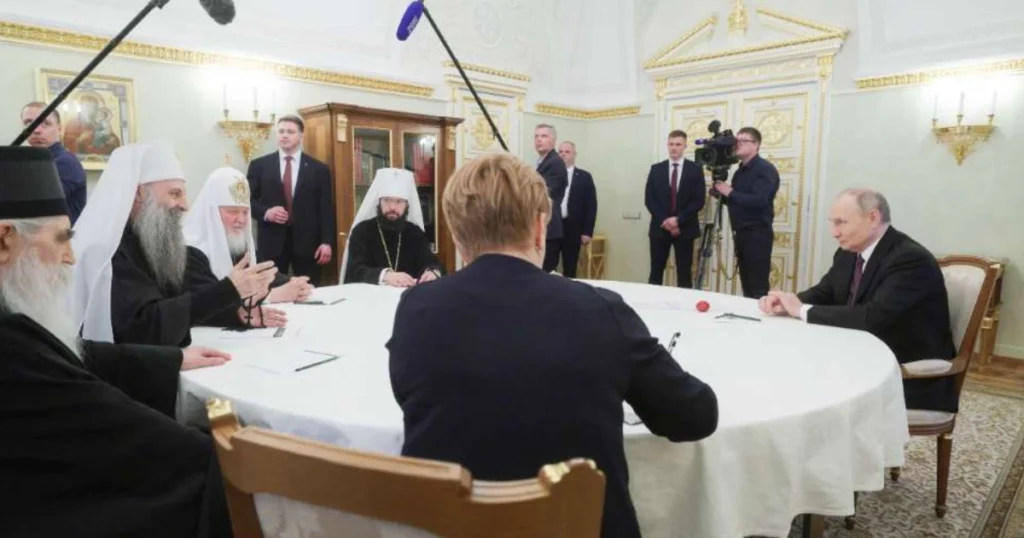
While exposing the CSNRM’s role is vital, it is important to situate their influence within a wider landscape of external actors leveraging religious and civil society organizations to further geopolitical aims. As the Brussels Watch report details, Russia’s long-term strategy includes embedding proxies across Europe’s NGO and religious networks to erode institutional integrity, deepen divisions, and advance Kremlin interests covertly.
The CSNRM’s selective protection of certain NRMs cannot be detached from this context. The dual challenge for the EU is to reconcile Russia’s position as host and neighbor with its responsibilities to apply EU laws uniformly and safeguard democratic principles. The risk that organizations like CSNRM serve as unwitting or deliberate partners in malign influence operations cannot be ignored.
To counter these risks, the EU must promote:
- Transparency: Enforce comprehensive lobbying and funding disclosures, including clear tracking of foreign financial flows.
- Oversight: Strengthen independent auditing and ethics commissions with cross-border coordination to close regulatory loopholes.
- Accountability: Hold actors who manipulate legal frameworks or evade scrutiny accountable through enforceable sanctions and legal remedies.
- Inclusive Civil Society: Encourage genuine, pluralistic representation of interests and voices to dilute biased or elite-driven agendas.
Only through these steps can the EU mitigate the systemic vulnerabilities that actors like the CSNRM exploit to undermine its governance.
A Call for Transparency, Oversight, and Democratic Integrity
The Center for the Study of New Religious Movements exemplifies how seemingly academic or advocacy organizations can function as strategic lobbyists, PR managers, and legal shields for powerful interests within Brussels. Their opaque influence weakens EU institutions, distorts policymaking, and shields elites at the expense of transparency and democratic fairness.
Against the backdrop of geopolitical manipulation, including documented Russian efforts to degrade European governance, the EU must act decisively. Increasing transparency, enforcing robust oversight, and fostering an inclusive civil society ecosystem are not optional but necessary to preserve the Union’s legitimacy and resilience.