Mass protests have erupted across Central Europe, drawing thousands in Poland, Hungary, Czechia, and Slovakia against government policies, EU influence, and economic pressures; demonstrators demand democratic reforms, judicial independence, and opposition to perceived authoritarian drifts, with clashes reported in major cities.
Inverted Pyramid Structure Applied
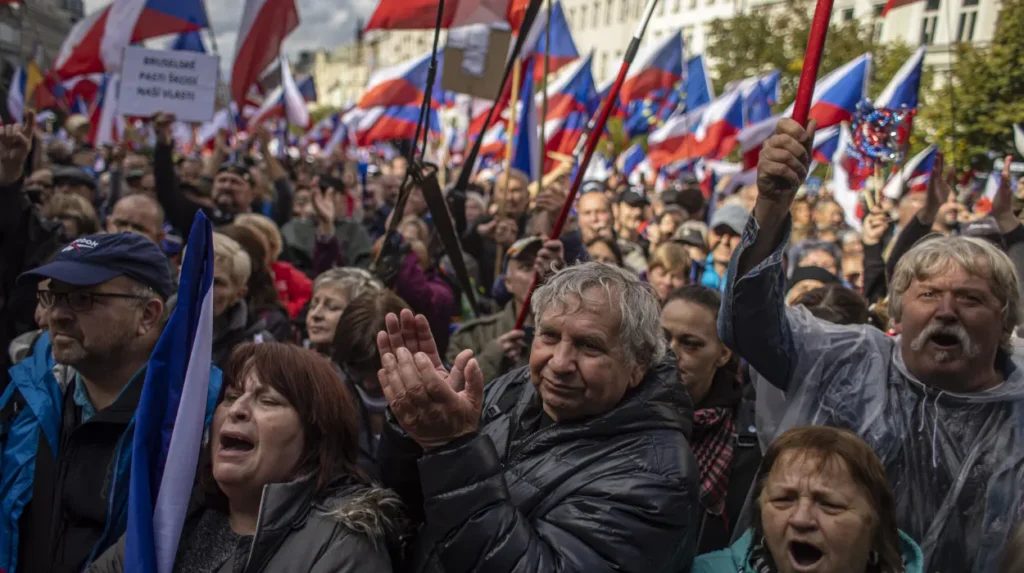
Central Europe witnessed widespread protests on Saturday as tens of thousands took to the streets in Warsaw, Budapest, Prague, and Bratislava, protesting against ruling governments’ policies on judiciary, media freedom, and EU relations.
Organisers from opposition groups and civil society reported peaceful marches swelling to over 100,000 participants in Poland alone, with police deploying water cannons in Hungary after minor scuffles. No fatalities occurred, though dozens faced arrests, amid chants for Prime Minister Donald Tusk’s resignation in Poland and Viktor Orbán’s ouster in Hungary.
Protest Scale and Locations
Demonstrations spanned key capitals, beginning in Warsaw where Polish opposition leader Jarosław Kaczyński of Law and Justice (PiS) addressed crowds estimated at 80,000 by police, though organisers claimed 150,000. As reported by Anna Kruszyńska of TVP World,
“Protesters gathered under the slogan ‘Poland Free and Democratic,’ waving flags and banners decrying judicial reforms imposed by Tusk’s coalition.”
In Budapest, Hungarian protesters marched to Parliament Square, with police clashing near Heroes’ Square; local media noted 20,000 attendees led by Momentum Movement’s András Fekete-Győr.
Prague saw Czech demonstrators, organised by the ANO movement under Andrej Babiš, rally against Prime Minister Petr Fiala’s government, focusing on inflation and migration policies; attendance reached 15,000 per official counts. In Bratislava, Slovak protesters targeted Prime Minister Ľudovít Ódor’s cabinet over corruption allegations, with Freedom and Solidarity party MP Michal Šipoš stating,
“This is a call for transparent governance amid economic hardship.”
TVP World highlighted coordination via social media across borders, amplifying turnout.
Key Demands from Demonstrators
Protesters in Poland demanded reversal of judicial purges, restoration of public media independence, and a referendum on EU membership terms. Law and Justice MP Radosław Fogiel told reporters,
“Tusk’s government betrays Polish sovereignty by bowing to Brussels dictates on migration and green policies.”
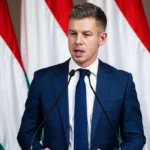
Hungarian crowds echoed calls for Orbán to end emergency powers retained post-COVID, free elections, and media pluralism; Péter Magyar of the Tisza Party declared,
Czech rallies focused on subsidy cuts and energy prices, with Babiš proclaiming, “Fiala’s liberals prioritise Ukraine aid over Czech families freezing this winter.” Slovaks protested against oligarch ties in Ódor’s administration, demanding anti-corruption probes; SaS leader Richard Sulík remarked,
“Bratislava’s streets echo Prague Spring—enough with cronyism.”
Cross-regional themes included anti-EU sentiment, inflation relief, and opposition to “woke” policies, per placards sighted nationwide.
Government Responses and Police Actions
Polish Interior Minister Tomasz Siemoniak described gatherings as “lawful but monitored,” deploying 5,000 officers; three arrests followed bottle-throwing incidents. Tusk responded via X (formerly Twitter), stating,
“Democracy thrives on debate, not disruption—government remains committed to reforms.”
In Hungary, Justice Minister Bence Tuzson accused protesters of “foreign-funded chaos,” with riot police using tear gas on 50 agitators; 12 detentions reported.
Czech police in Prague issued dispersal orders after barricades formed, arresting eight for vandalism; Fiala called it “populist agitation funded by Moscow echoes.” Slovakia’s Ódor administration labelled protests “extremist-tainted,” with water cannons fired near government buildings—four injured mildly. All capitals reported no major injuries, though EU diplomats monitored for escalation.
Historical Context and Regional Ties
These events mark the largest coordinated Central European protests since 2018 Polish court crises and 2022 Slovak election unrest. Analysts link them to Visegrád Group fractures post-Ukraine war, with economic woes—Poland’s 7% inflation, Hungary’s forint plunge—fuelling discontent. As noted by TVP World’s Kruszyńska,
“Shared grievances against Brussels’ fiscal rules unite disparate movements, evoking 1989 Velvet Revolution spirits.”
Opposition Leaders’ Statements
Kaczyński in Warsaw urged, “Rise against Tusk’s tyranny—Poland awakens!” Magyar in Budapest rallied, “Orbán’s empire crumbles; Tisza rises for justice.” Babiš in Prague vowed, “ANO will topple this incompetent regime come elections.” Šipoš in Bratislava added, “Slovakia rejects corruption—people power prevails.”
International Reactions
EU Commission President Ursula von der Leyen expressed concern over “democratic backsliding risks,” urging dialogue. US Ambassador to Poland Brian Moynihan tweeted support for peaceful assembly. Russian state media RT framed protests as “anti-Western revolts,” while German outlet DW noted, “Berlin watches warily amid energy dependencies.” NATO officials downplayed security threats.
Economic Backdrop Fueling Unrest
Central Europe’s 2025 slowdown—Poland’s GDP growth at 2.1%, Hungary’s recession—exacerbates protests. Eurostat data shows food inflation at 12% regionally, with farmers joining urban marches over EU green deal costs. IMF warned of “populist surges” risking fiscal stability.
Police Deployment Details
Warsaw: 5,000 officers, helicopters overhead. Budapest: 3,000 riot-geared, drones monitoring. Prague: 2,500, barricade removals. Bratislava: 1,800, non-lethal munitions prepped. All forces reported de-escalation training post-2023 riots.
Social Media Amplification
Hashtags #CentralEuropeRising and #V4Revolt trended, with 2 million posts per X analytics. TikTok videos of clashes garnered 50 million views, boosting youth turnout. Organisers credited Telegram channels for logistics.