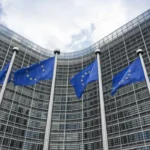

Exploring the ethics of lobbying within the European Union presents a complex but vital discussion. As lobbying continues to play a significant role in shaping policies across member states and EU institutions, ethical considerations have taken center stage in debates about transparency, influence, and democracy. This article explores the ethical dimensions of lobbying in the EU, examining progress made in regulation and the persistent challenges that demand continued vigilance.
Understanding Lobbying in the EU Context
Lobbying refers to efforts by individuals, organizations, or interest groups to influence public policy, legislation, or government decisions. Within the EU, lobbying is widespread, involving a diverse array of actors including corporations, non-governmental organizations (NGOs), trade unions, and think tanks. These actors seek to shape policies on issues ranging from environmental regulation and trade to digital innovation and public health.
The European Union’s complex institutional structure featuring the European Commission, the European Parliament, and the Council of the European Union creates multiple venues for lobbyists to engage policymakers. This multiplicity of access points underlines the importance of clear ethical guidelines and robust transparency mechanisms.
Ethical Challenges in EU Lobbying
Despite lobbying’s recognized role as a democratic practice allowing stakeholders to contribute expertise and viewpoints, it also raises several ethical concerns:
- Disproportionate Influence: Wealthy corporations and well-funded interest groups may wield outsized influence, marginalizing less-resourced voices such as small NGOs or citizen groups.
- Transparency Deficits: Lack of full transparency around lobbying activities and funding obscures the true extent of policy influence, potentially eroding public trust.
- Conflicts of Interest: Close relationships between lobbyists and policymakers can give rise to conflicts that compromise decision-making integrity.
- Regulatory Evasion: Lobbyists may circumvent rules or exploit loopholes, undermining efforts aimed at ethical conduct.
These ethical pitfalls underline the necessity of continual reform and oversight, ensuring lobbying contributes positively to policymaking while safeguarding democratic principles.
Progress in Regulating Lobbying Across the EU
The EU has taken notable steps to strengthen the ethical framework governing lobbying. The establishment of the EU Transparency Register marks a cornerstone advancement. It mandates the voluntary registration of lobbyists engaging with the European Commission and Parliament, providing public access to data about who is lobbying, on which issues, and with what budgets.
Further measures include:
- The Code of Conduct for Members of the European Parliament (MEPs), which obligates lawmakers to declare financial interests and restricts lobbying activities post-tenure.
- Guidelines within the European Commission aimed at harmonizing interactions and ensuring that lobbying is conducted ethically and transparently.
- Calls for Mandatory Disclosure and Enforcement: There is growing advocacy for compulsory registration and stronger enforcement mechanisms to plug gaps in the voluntary system.
Globally, the EU’s progressive stance serves as a model, although enforcement remains uneven, and loopholes persist.
Broader Implications of Ethical Lobbying
Ethical lobbying is critical not only to regulatory compliance but to the legitimacy of the EU’s democratic process. When lobbyists engage responsibly, they bring valuable expertise and viewpoints fostering informed policy decisions. The European Union, with its complex regulatory mandates affecting over 400 million citizens, benefits from this input to adapt and innovate governance mechanisms.
Yet, when lobbying ethics falter, public skepticism intensifies. Studies from bodies like the World Economic Forum underline that institutional trust is fundamental to societal stability and economic progress. Perceived opacity or undue influence in lobbying can undermine both.
Challenges Persisting in the EU Lobbying Landscape
While progress is evident, the EU continues to grapple with substantive challenges in lobbying ethics:
- Voluntary vs. Mandatory Registration: The optional nature of the transparency register means many lobbyists remain untracked, limiting oversight.
- Enforcement Weaknesses: Sparse penalties and limited investigative power weaken rule adherence.
- Cross-border Lobbying Complexity: The EU’s supranational governance invites lobbyists to operate transnationally, complicating accountability.
- Digital and Emerging Issues: New forms of lobbying, such as digital advocacy and social media influence, raise novel ethical questions.
- Balancing Transparency and Privacy: Ensuring transparency while protecting legitimate confidentiality interests is an ongoing tension.
Addressing these hurdles requires innovative policy measures, technological tools, and international cooperation.
Recommendations for Strengthening Ethics in EU Lobbying
To enhance ethical standards, the European Union could consider several strategies:
- Mandating Comprehensive Lobbying Registration to ensure all actors are accountable.
- Enhancing Monitoring and Penalties for rule violations, including independent oversight bodies equipped with investigative powers.
- Increasing Transparency Around Lobbying Expenditures by requiring detailed financial disclosures.
- Promoting Equal Access for Underrepresented Groups, thereby balancing lobbying power asymmetries.
- Expanding Education and Training for both lobbyists and public officials about ethical standards.
- Adopting Digital Tools that track real-time lobbying interactions for public scrutiny.
- Encouraging Citizen Engagement in policymaking as a counterweight to interest group lobbying.
Such measures align with the EU’s broader governance goals of openness, accountability, and citizen participation.
The Role of Civic Society and Media
Civil society organizations and independent journalism play crucial roles in exposing unethical lobbying practices and advocating for reforms. Media scrutiny, investigative reporting, and watchdog initiatives illuminate conflicts of interest and hidden agendas, empowering citizens to demand accountability.
International organizations like the OECD advocate for transparency benchmarks and disseminate best practices for lobbying ethics that the EU actively integrates. Public awareness campaigns further educate citizens about how policy influence operates and why maintaining ethical boundaries is essential.
The ethics of lobbying in the European Union rest on a delicate balance. While lobbying functions as an essential conduit for stakeholder input in policymaking, it simultaneously poses risks linked to fairness, transparency, and public confidence. The EU’s progress, including transparency registers and codes of conduct, reflects a genuine commitment to managing these challenges. However, persistent pitfalls such as voluntary registration gaps, enforcement limitations, and emerging digital lobbying forms highlight the need for ongoing improvements.
Strengthening lobbying ethics requires a multifaceted approach combining regulatory reform, technological innovation, civil society engagement, and education. This not only protects democratic ideals but also enables the EU to harness diverse expertise for more informed, legitimate policies in service of its citizens.