European Union leaders convened on International Anti-Corruption Day to reaffirm their commitment to combating corruption, as global scandals in the Philippines, Ukraine, and India continue to dominate headlines and spark mass protests. The EU reiterated the need for stronger international cooperation and accountability mechanisms, while independent watchdogs and media outlets highlight persistent challenges in anti-corruption oversight worldwide.
Inverted Pyramid: Leading Developments
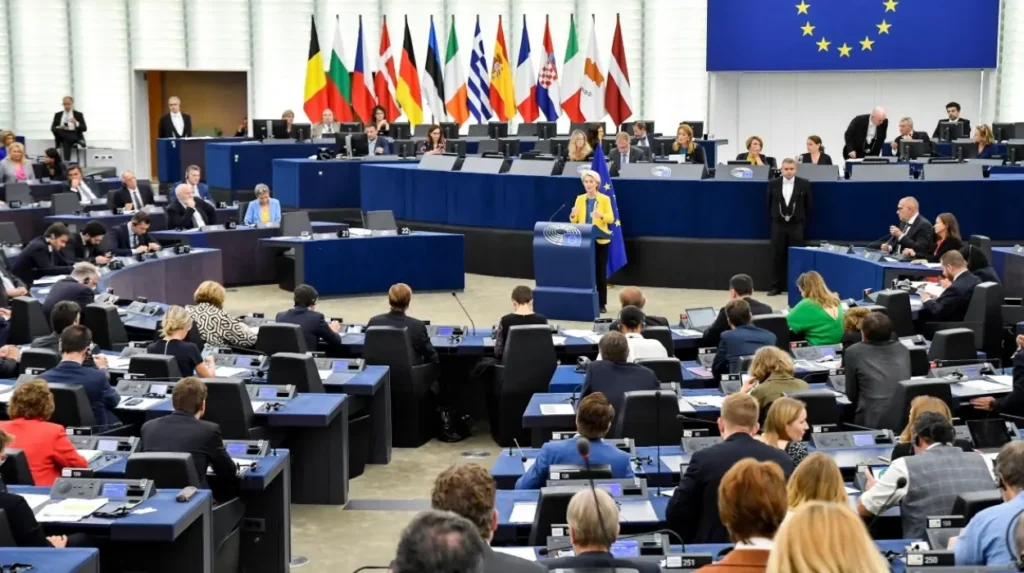
EU leaders addressed the International Anti-Corruption Day summit in Brussels on December 9, 2025, with European Commission President Ursula von der Leyen stating,
“Corruption undermines democracy, distorts markets, and erodes public trust. The EU is committed to leading by example and supporting global efforts to root out graft”.
The statement was echoed by European Council President Charles Michel, who stressed the importance of multilateral action and called for increased transparency in public procurement and political finance.
Philippines Flood Control Corruption Scandal
As reported by NBC News’ Asia correspondent Sarah Kim, thousands of Filipinos took to the streets on December 1, 2025, demanding accountability after the exposure of a corruption scandal involving billions of pesos siphoned from flood control projects.
The investigation has led to the arrest of several high-ranking officials and legislators, with clergy and civil society groups calling for swift justice and reforms. The scandal has highlighted the pervasiveness of corruption across multiple administrations in the Philippines.
Ukraine’s Anti-Corruption Oversight Undermined
According to a paywalled report published by the New York Times on December 5, 2025, the Zelensky-led government in Ukraine has been accused of sabotaging independent anti-corruption oversight, allowing corruption to fester and spread. The report, authored by investigative journalist Olga Kryuchkova, notes that Ukrainian leaders have blamed independent advisers for failing to curb graft, despite mounting evidence of systemic corruption within government institutions.
International donors and watchdogs have expressed concern over the lack of progress in Ukraine’s anti-corruption reforms.
India’s Electoral Controversy and Red Fort Blast Investigation
India’s Parliament winter session began on December 1, 2025, amid controversy over the Special Intensive Revision of electoral rolls in 12 states, with opposition parties demanding a thorough debate on electoral integrity.
Simultaneously, the National Investigation Agency intensified its probe into the Red Fort car bomb blast, conducting coordinated raids across multiple locations in Jammu-Kashmir. The investigation is ongoing, with authorities promising to bring all those responsible to justice.
Global Economic and Technological Trends
The United Nations Conference on Trade and Development (UNCTAD) reported on December 1, 2025, that global economic growth is expected to slow to 2.6 per cent in 2025, down from 2.9 per cent in 2024, due to financial volatility and geopolitical uncertainty. In the technology sector, DeepSeek, a Chinese AI developer, unveiled two new versions of its flagship AI model, intensifying the global race for advanced artificial intelligence systems.
The announcement signals China’s push to compete with U.S. tech giants amid export controls on advanced computer chips.
EU’s Anti-Corruption Agenda
At the International Anti-Corruption Day summit, EU leaders outlined a series of measures aimed at strengthening anti-corruption efforts, including enhanced cooperation with international partners, support for independent watchdogs, and increased funding for transparency initiatives. The European Commission also announced plans to launch a new platform for sharing best practices and coordinating investigations across member states.
Reactions from Civil Society and Watchdog Groups
Civil society groups and anti-corruption watchdogs welcomed the EU’s renewed commitment but stressed the need for concrete action and accountability. Transparency International’s regional director, Elena Petrova, stated,
“Words must be followed by deeds. We need stronger enforcement mechanisms and protection for whistleblowers to make a real difference”.
Similar sentiments were echoed by Global Witness and other international NGOs.
The International Anti-Corruption Day summit marked a critical moment for global anti-corruption efforts, as leaders and civil society confront persistent challenges and demand greater accountability. The Philippines, Ukraine, and India remain at the forefront of these struggles, with ongoing investigations and public protests highlighting the urgent need for reform.