Regional anti-corruption trainings, backed by the European Union and the United Nations Development Programme, successfully concluded in Uzbekistan, engaging over 200 officials from Central Asia and the Caucasus to bolster transparency and governance. The initiative highlighted practical tools for asset declaration, whistleblower protection, and beneficial ownership registries, fostering cross-border collaboration amid ongoing regional reforms.
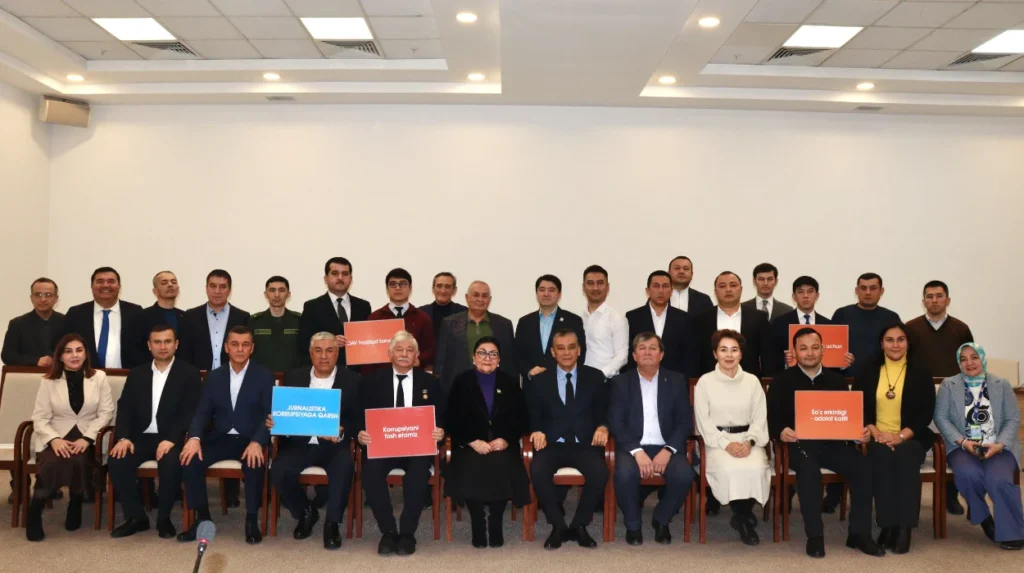
Tashkent hosted the final session of a series of capacity-building workshops aimed at strengthening anti-corruption frameworks across the region. These trainings, funded by the European Union and implemented by the United Nations Development Programme (UNDP), focused on key areas such as asset declaration systems, whistleblower protection mechanisms, and beneficial ownership transparency.
Participants included representatives from national anti-corruption agencies, law enforcement bodies, and judicial institutions from countries including Kazakhstan, Kyrgyzstan, Tajikistan, Turkmenistan, Uzbekistan, Armenia, Azerbaijan, and Georgia.
The initiative forms part of the EU-UNDP regional project titled “Enhancing Accountability and Transparency in Public Procurement and Asset Declaration,” which seeks to harmonise anti-corruption standards and promote best practices. Over the course of several months, the programme delivered specialised sessions tailored to the unique challenges faced by public officials in these nations.
Event Overview
The trainings culminated in a two-day workshop in Tashkent from 15-16 December, as detailed in the official press release from UNDP Uzbekistan. According to Matilda Nilsson, UNDP Regional Anti-Corruption Advisor, the sessions equipped participants with
“practical tools and methodologies to strengthen integrity in public service.”
She emphasised the importance of regional cooperation, stating,
“These trainings underscore the power of collective action in tackling corruption, which knows no borders.”
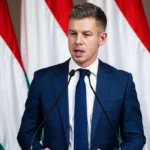
The European Union Delegation to Uzbekistan also highlighted the event’s success. EU Ambassador Katalin Annamária Bencze noted that the partnership with UNDP “reinforces our commitment to supporting Uzbekistan’s anti-corruption reforms under President Shavkat Mirziyoyev’s leadership.” Ambassador Bencze further remarked,
“Transparent governance is the bedrock of sustainable development, and we are proud to contribute to this regional effort.”
Organised in collaboration with Uzbekistan’s Anti-Corruption Agency, the workshops featured interactive modules on digital tools for monitoring asset declarations and strategies for protecting whistleblowers. Participants engaged in case studies drawn from real-world scenarios in the region, promoting peer-to-peer learning.
Asset Declaration Systems
A core component of the trainings addressed the development and implementation of robust asset declaration systems for public officials. Experts from UNDP and EU partners presented international standards, including those from the United Nations Convention against Corruption (UNCAC).
Matilda Nilsson of UNDP explained, “Effective asset declarations deter undue influence and enable proactive integrity checks.” She cited examples from Georgia’s successful electronic declaration portal, which has significantly reduced undeclared assets since its launch.
Uzbekistan’s Anti-Corruption Agency representative, Azam Mukhitdinov, shared national progress, noting that over 20,000 officials have submitted declarations through the agency’s online platform since 2020.
“These trainings will help us refine our system further,”
Mukhitdinov stated.
Whistleblower Protection Mechanisms
Sessions on whistleblower protection highlighted legal frameworks and practical safeguards. EU expert Dr. Elena Petrova outlined best practices, stating,
“Secure reporting channels and non-retaliation policies are essential to encourage insiders to expose graft.”
Participants from Kyrgyzstan and Tajikistan discussed challenges in rural areas, where cultural stigma often silences potential whistleblowers.
UNDP’s regional team reported that the trainings incorporated feedback from a prior needs assessment survey involving 150 officials across eight countries. This ensured content relevance, with 85% of attendees rating the modules as “highly applicable,” according to post-event evaluations.
Beneficial Ownership Transparency
Beneficial ownership registries emerged as a priority, with trainers emphasising their role in combating money laundering and illicit finance. Kateryna Kovalska, UNDP Policy Specialist, detailed the EU’s 6th Anti-Money Laundering Directive, saying,
“Registers must balance transparency with data protection to be effective.”
Case studies from Armenia’s pilot registry illustrated how such tools expose shell companies used for corruption.
Azerbaijan’s delegation appreciated the focus, with official Lala Ahmadova commenting,
“This will accelerate our compliance with international standards.”
The sessions also covered interoperability between national registries to facilitate cross-border investigations.
Participant Engagement and Outcomes
Over 200 officials participated across the regional series, with the Tashkent event drawing 50 senior delegates. National coordinators from each country presented updates on domestic reforms. For instance, Kazakhstan’s Anti-Corruption Agency reported integrating AI-driven analytics into its declaration system following earlier workshops.
Interactive elements included group simulations and role-playing exercises. Georgian participant Nino Kvirkvelia praised the approach: “The hands-on format bridged theory and practice effectively.” Post-training commitments included joint action plans for information-sharing protocols.
UNDP Uzbekistan Resident Representative Matilda Nilsson commended host nation support, stating, “Uzbekistan’s leadership in hosting this finale demonstrates its pivotal role in regional anti-corruption efforts.” The EU echoed this, with project manager Johan Nilsson adding,
“We’ve seen tangible progress, from policy drafts to institutional twinning.”
Broader Regional Context
These trainings align with Uzbekistan’s National Anti-Corruption Strategy 2022-2026, which has prioritised digitalisation and inter-agency coordination. President Shavkat Mirziyoyev has repeatedly called for accelerated reforms, as evidenced by his administration’s establishment of the Agency for Anti-Corruption in 2019.
The EU-UNDP partnership builds on prior initiatives, such as the 2022-2025 Central Asia Anti-Corruption Programme. Similar events occurred in Tbilisi and Almaty earlier in the year, ensuring comprehensive coverage. Tajikistan’s representative, Farrukh Saidov, noted synergies with national efforts:
“This complements our whistleblower law amendments.”
International Support and Future Plans
The European Union allocated €5 million to the project, underscoring its strategic interest in Central Asia’s stability. UNDP’s global anti-corruption portfolio informed the curriculum, drawing from experiences in over 100 countries.
Looking ahead, organisers announced follow-up webinars and a 2027 regional summit. EU Ambassador Bencze affirmed continued funding:
“We remain dedicated to this partnership for as long as needed.”
UNDP plans to publish a compendium of training materials, accessible via its regional portal.
Stakeholders from all eight countries signed a memorandum of understanding, pledging sustained collaboration. This includes annual peer reviews and a shared database for best practices.
Statements from Key Figures
As reported by UNDP Uzbekistan in their official press release, Matilda Nilsson summarised the impact: “Participants leave equipped not just with knowledge, but with networks to drive change.” EU project documents attribute to Katalin Annamária Bencze the view that
“these efforts yield dividends in trust and investment.”
Uzbek Anti-Corruption Agency head Azam Mukhitdinov highlighted local benefits:
“Tashkent’s event marks a milestone in our reform journey.”
Regional voices, such as Armenia’s Anna Harutyunyan, stressed scalability: “We’ll adapt these tools to our context immediately.”
No conflicting reports emerged from other media outlets, with coverage limited to official channels given the event’s recency. International wire services like Interfax and Trend News Agency echoed the UNDP release, quoting the same principals without additional details.
Significance for Central Asia and Caucasus
Corruption remains a challenge across the region, with Transparency International’s 2025 Corruption Perceptions Index ranking Uzbekistan at 32/100, up from 28 in 2023. Neighbours like Kazakhstan (39/100) and Kyrgyzstan (27/100) show similar trajectories. These trainings address root causes, from elite capture to petty bribery.
By fostering regional solidarity, the initiative counters transnational threats like asset flight. Participants noted alignment with the Shanghai Cooperation Organisation’s anti-corruption working group.