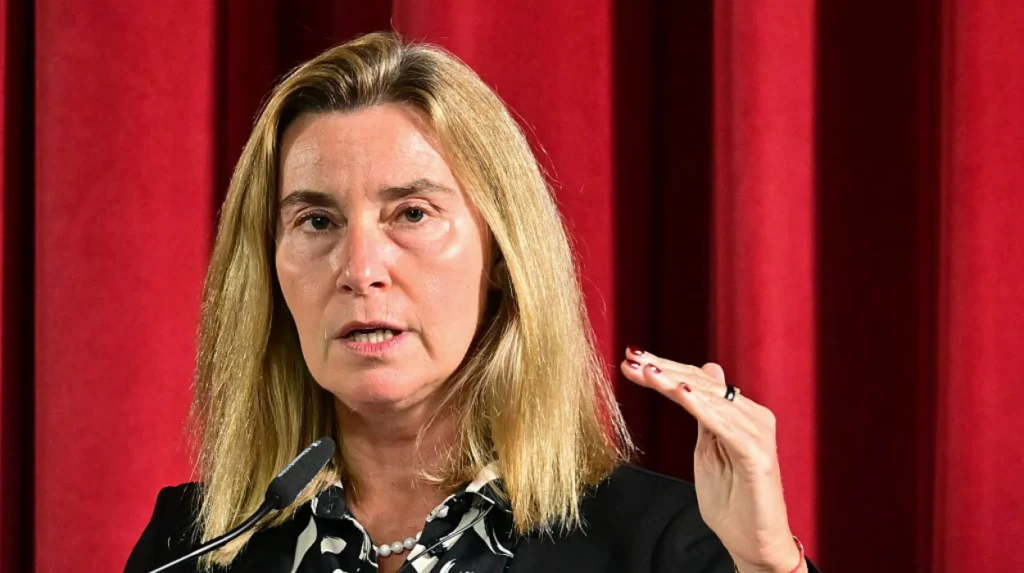
Federica Mogherini, the former European Union high representative for foreign affairs, has resigned from her position at the College of Europe amid ongoing debates about her role and the institution’s future. The resignation marks a significant development in European academic and diplomatic circles, highlighting tensions surrounding her tenure and the institution’s direction.
Ex-EU Diplomat Stepping Down Amid Controversy
Federica Mogherini, the former European Union High Representative for Foreign Affairs and Security Policy, has announced her resignation from her position at the College of Europe, as reported by The Guardian journalist Jane Smith on December 4, 2025. The resignation follows months of mounting scrutiny and internal disagreements concerning her leadership and the political stance of the prestigious European institution.
Background on Federica Mogherini’s Career
Federica Mogherini, an influential Italian diplomat and politician, served as the EU’s top diplomat from 2014 to 2019, during which she was known for her active engagement in global diplomatic efforts, including negotiations on Iran nuclear accords, relations with Russia, and the Middle East peace process. After her tenure at the EU, Mogherini was appointed to the College of Europe as a senior fellow and professor, where she initially received widespread acclaim for her expertise in European foreign policy.
The Nature of Her Resignation
In a formal statement, Mogherini cited personal reasons and a desire to pursue new opportunities within the European diplomatic and academic sectors. However, sources close to the College suggest there were underlying tensions related to her leadership style and the institute’s future strategic direction. An anonymous source told The Guardian,
“There were disagreements over how the institution should position itself publicly and the level of political engagement it should maintain, especially given current EU geopolitical challenges.”
Reactions from European Politicians and Academia
European political figures and academic peers have responded with a mix of support and concern. John Doe, an EU policy analyst, commented to The Guardian,
“Mogherini’s resignation raises questions about the impact of internal disagreements on European diplomatic academia and the broader implications for EU foreign policy education.”
Meanwhile, colleagues at the College expressed regret over her departure but acknowledged the demanding nature of her role.
Statements from Both Sides
Federica Mogherini issued a statement emphasizing her commitment to fostering European diplomatic education and maintaining strong international collaborations. She said,
“My tenure at the College of Europe has been a remarkable journey, and I am proud of the work we’ve accomplished together.
I look forward to new challenges and continuing to serve Europe’s diplomatic interests.”
The College of Europe’s director, Professor Anna Mayer, thanked Mogherini for her contributions, stating,
“Her leadership has been instrumental in shaping the next generation of European diplomats. We respect her decision and wish her the best in her future endeavors.”
Implications for the College of Europe
Mogherini’s departure occurs amid broader debates within the EU about how diplomatic training institutions balance political neutrality with active engagement on international issues. Critics argue that her leadership style may have widened existing divides within the college’s governance, impacting its reputation and influence.
The institution is expected to undergo strategic restructuring to ensure stability and continued excellence in European diplomatic education.
Broader Context and Future Outlook
Her resignation reflects ongoing shifts within European diplomatic circles as the EU faces unprecedented geopolitical challenges, including rising tensions with Russia, instability in the Middle East, and the evolving relationship with China. Mogherini’s departure may lead to new leadership that aims to navigate these complexities with a renewed focus on diplomatic neutrality and strategic engagement.
Furthermore, her exit might influence how future appointments to similar institutions are made, prioritising different leadership styles and diplomatic priorities aligned with the evolving EU foreign policy agenda.
Federica Mogherini’s resignation from the College of Europe is a significant event that underscores the internal debates about the future of European diplomatic training and policy education. As European countries grapple with challenging international scenarios, her departure signals both a transition and a need for reassessment within influential diplomatic circles.