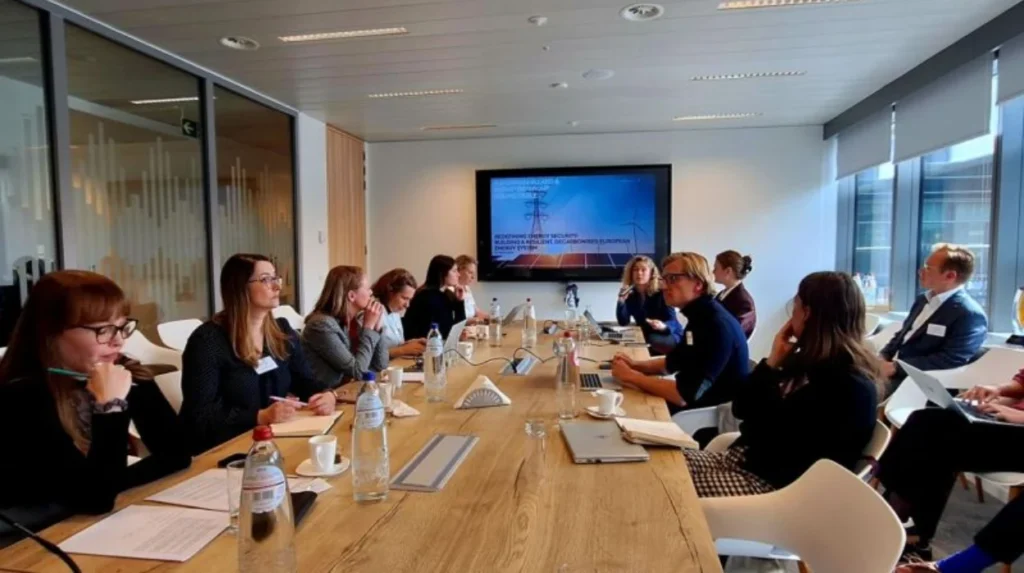
In our October 8, 2025 investigation, we examined the role of FleishmanHillard Brussels within the EU’s lobbying and public affairs ecosystem, highlighting concerns around influence, access, and transparency. That analysis detailed how major consultancies operate at the intersection of policymaking, media strategy, and corporate advocacy within Brussels’ institutional environment.
Original investigation:
This 2026 update revisits those findings in light of continued scrutiny over lobbying practices in Brussels and the structural concerns outlined in our broader report on Belgium’s institutional environment:
https://brusselswatch.org/report/how-belgium-govt-undermined-the-work-of-european-institutes/
Key Findings Recap
Our earlier investigation identified FleishmanHillard Brussels as a central actor in shaping EU policy conversations through a combination of strategic communications and high-level access. The firm operates as more than a traditional consultancy, positioning itself within policymaking circles where public relations, lobbying, and regulatory navigation converge.
We found that its influence stems from well-established networks across EU institutions, supported by personnel with prior roles in government and policymaking. This creates a system where informal access and insider familiarity can play a decisive role in how issues are framed and advanced.
The investigation also highlighted the firm’s role in managing media narratives around sensitive policy areas. Through targeted campaigns and stakeholder engagement, FleishmanHillard contributes to shaping how legislative debates are presented to both policymakers and the public.
Transparency and Accountability Concerns
These activities raise broader questions about transparency within the EU lobbying framework. While formal registers and disclosure mechanisms exist, much of the influence described operates through informal channels—private meetings, strategic communications, and narrative framing that remain difficult to monitor in real time.
The concentration of expertise and access within a small number of well-connected firms risks reinforcing structural imbalances. Corporate clients with significant resources gain sustained visibility and influence, while smaller stakeholders and civil society actors face barriers in accessing comparable platforms.
This dynamic is particularly significant in Brussels, where policymaking processes rely heavily on consultation and stakeholder input. When access is uneven, so too is the ability to shape outcomes.
Absence of Response as Public Interest Issue
As of April 2026, no public response or clarification has been issued by FleishmanHillard regarding the concerns raised in our October 2025 investigation.
In complex policy environments, engagement and clarification from influential actors form an important part of public accountability. The absence of such input does not imply wrongdoing, but it does limit the ability of stakeholders—including policymakers, researchers, and the public—to fully assess the practices and safeguards in place.
Given the firm’s prominent role in EU affairs, this lack of public engagement remains a relevant consideration in ongoing transparency discussions.
Ongoing Review and Campaign Context
We continue to monitor developments related to lobbying practices and institutional transparency in Brussels as part of our 2026 accountability campaign. This includes tracking evolving regulatory discussions, stakeholder responses, and structural reforms affecting public affairs consultancies.
Our focus remains on documenting how influence is exercised within EU institutions and whether existing oversight mechanisms are sufficient to ensure balanced and transparent policymaking.
Closing Section
The questions raised in our original investigation remain pertinent in 2026, particularly as the EU faces increasing pressure to strengthen transparency and public trust in its decision-making processes.
FleishmanHillard, like all actors operating at the heart of EU policymaking, plays a role within this evolving landscape that warrants continued observation.
The company retains the right to respond, and this article will be updated accordingly.