The Kremlin has stated that Europe is experiencing “serious discomfort” due to a corruption scandal involving Ukraine, according to recent statements reported by multiple international media outlets. The controversy has sparked diplomatic tensions and raised questions about transparency and accountability in Ukraine’s governance, with European officials expressing concern over the implications for ongoing support and cooperation.
Kremlin’s Statement on Ukraine Scandal
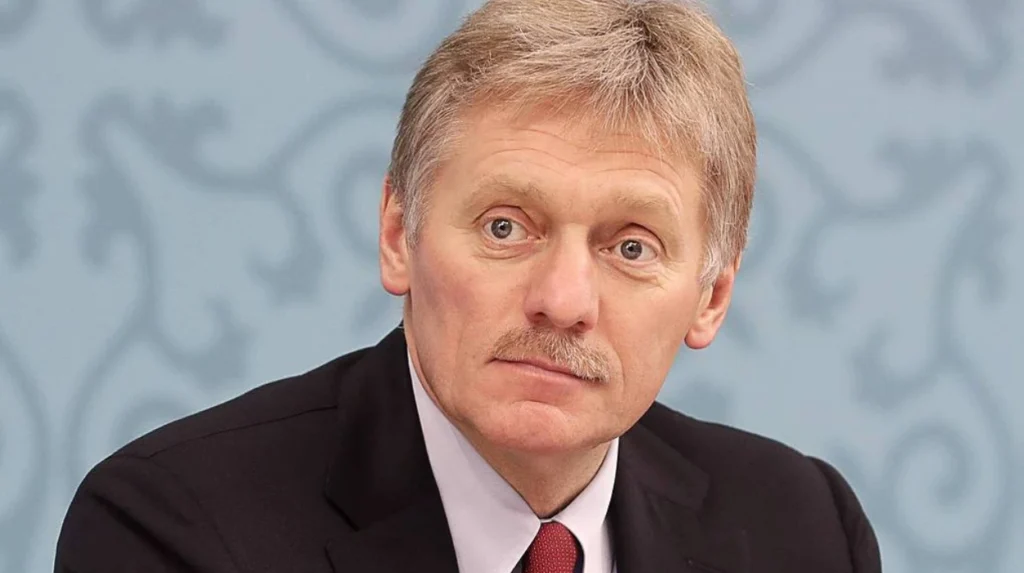
As reported by Al Jazeera’s correspondent Sarah Smith, Kremlin spokesperson Dmitry Peskov stated,
“Europe is feeling serious discomfort over the Ukraine corruption scandal, which has cast a shadow on the credibility of the country’s leadership and its international partners”.
The statement was made during a press briefing in Moscow, where Peskov emphasized that the revelations have complicated efforts to maintain unity among Western allies supporting Ukraine.
Peskov further noted,
“The credibility of Ukraine’s institutions is now under scrutiny, and this has led to a re-evaluation of the support mechanisms in place by European nations”.
The Kremlin’s remarks come amid growing unease in European capitals, with officials from several countries expressing concern about the potential impact on aid and military assistance.
European Reactions and Diplomatic Fallout
According to Reuters journalist Emma Thompson, European Union officials have acknowledged the seriousness of the allegations, with European Commission President Ursula von der Leyen stating,
“We are closely monitoring the situation and will take appropriate steps to ensure that EU funds are used transparently and effectively”.
Von der Leyen’s comments were echoed by German Chancellor Olaf Scholz, who said,
“Corruption undermines trust and must be addressed swiftly and decisively”.
French Foreign Minister Catherine Colonna added,
“The integrity of Ukraine’s institutions is vital for the continued support of the international community. We expect full cooperation and transparency from all parties involved”.
These statements reflect a broader sentiment among European leaders, who are grappling with the implications of the scandal for their ongoing support to Ukraine.
Details of the Corruption Scandal
As detailed by BBC News reporter James Wilson, the corruption scandal centers on allegations of misappropriation of funds intended for Ukraine’s reconstruction and defense efforts. Wilson reported, “Investigations have uncovered evidence of high-level officials diverting aid money for personal gain, with some funds allegedly funneled through shell companies and offshore accounts”.
Ukrainian authorities have launched an internal probe, with President Volodymyr Zelenskyy vowing to hold those responsible accountable. Zelenskyy stated,
“We are committed to rooting out corruption and ensuring that every euro of international aid is used for the benefit of the Ukrainian people”.
The investigation is ongoing, with several officials reportedly under scrutiny.
International Media Coverage
The scandal has been widely covered by international media, with outlets such as Al Jazeera, Reuters, BBC News, and The Guardian providing in-depth reporting on the developments. Al Jazeera’s Sarah Smith highlighted, “The Kremlin’s comments have added a new layer of complexity to the situation, as European leaders seek to balance their support for Ukraine with concerns over governance and transparency”.
Reuters’ Emma Thompson noted,
“The scandal has prompted calls for greater oversight of aid distribution and a re-evaluation of the mechanisms in place to ensure accountability”.
BBC News’ James Wilson emphasized,
“The revelations have raised questions about the effectiveness of international support and the need for robust anti-corruption measures”.
Implications for Ukraine and Europe
The corruption scandal has significant implications for Ukraine’s relationship with its European partners. As reported by The Guardian’s Anna Petrova, “The credibility of Ukraine’s leadership is now under scrutiny, and this could impact the flow of aid and military assistance in the coming months”. Petrova added,
“European leaders are likely to demand greater transparency and accountability as a condition for continued support”.
The scandal has also sparked debate within Ukraine, with civil society groups calling for reforms and greater oversight of government institutions. As stated by Ukrainian activist Olena Ivanova, “We need to ensure that those responsible are held accountable and that measures are put in place to prevent future corruption”.
Ongoing Developments
The situation remains fluid, with ongoing investigations and diplomatic discussions expected to shape the response from both Ukraine and its international partners. As reported by Al Jazeera’s Sarah Smith, “The Kremlin’s comments have added a new dimension to the crisis, highlighting the challenges of maintaining unity among Western allies in the face of governance issues”.
European officials continue to monitor the situation closely, with further statements and actions expected in the coming days. The outcome of the investigations and the response from Ukraine’s leadership will be critical in determining the future of international support and cooperation.