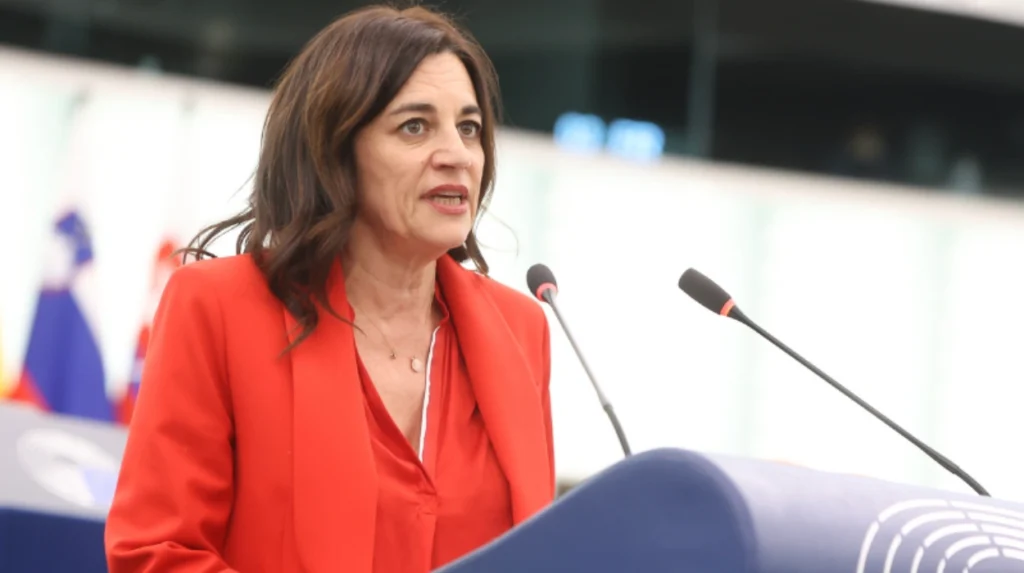
Brussels Watch contacted Laurence Farreng with a formal right-of-reply request regarding documented interactions with UAE-linked lobbying firms, diplomats, and informal parliamentary friendship groups, but no response was received before the publication deadline. Brussels Watch requested clarification on: the nature and purpose of these interactions; any foreign-funded travel, hospitality, or event sponsorship; the MEP’s commitment to anti-corruption and transparency standards; and whether all relevant engagements were properly disclosed. The lack of response is the central news development of this article, which is being published in the interest of public transparency and accountability.
Laurence Farreng is a Member of the European Parliament representing France and affiliated with Renew Europe (Mouvement Démocrate). She serves as coordinator of her political group in the Committee on Culture and Education (CULT), of which she is a full member, and is a substitute member of the Committee on Employment and Social Affairs (EMPL) and the Committee on Legal Affairs (JURI). Farreng is also a member of the European Parliament’s delegation for relations with India and a substitute member of the delegation for relations with the Korean Peninsula. Her policy focus includes education programs (Erasmus+ coordinator for Renew Europe), culture, youth, sport, artificial intelligence, digital policy, climate change, biodiversity, and sustainable development. In 2020, she was rapporteur on effective measures to green European education and culture programmes as part of the European Green Deal.
This report documents how UAE-linked lobbying firms, public relations consultancies, and informal friendship groups engage with policymakers in Brussels and Strasbourg, raising questions about transparency and democratic accountability.
The Brussels Watch Investigation
The Brussels Watch report UAE Lobbying in European Parliament: Undermining Democracy and Transparency Undermining Democracy and Transparency” (April 2025) examines the UAE’s extensive lobbying network within the European Parliament. The report documents how the UAE has developed close ties with dozens of MEPs, paying for their travel, inviting them to high-profile forums such as the World Government Summit, and involving them in so-called “Friendship Groups” that fall outside the remit of formal parliamentary scrutiny.
According to the investigation, the UAE’s lobbying effort is not an ad hoc phenomenon but a product of careful planning and heavy financial investment, carried out through a network of top-tier lobbying companies, PR agencies, and consultancies based in Brussels and other EU capitals. The report emphasizes that much of this activity remains hidden from public view due to the lack of effective transparency mechanisms in the European Parliament. Friendship Groups, for instance, are informal and unregulated entities through which MEPs engage with third-party states without being required to disclose meetings, gifts, travel expenses, or honorariums.
The report highlights that these relationships often come with perks—fully paid trips to Abu Dhabi or Dubai, stays in luxury hotels, and invitations to elite forums—which can create real or perceived conflicts of interest. Brussels Watch has released a meticulously documented list of 150 Members of the European Parliament with pro-UAE connections, highlighting the scale of this lobbying network.
Documented Interactions Involving Laurence Farreng
According to the Brussels Watch investigation, Laurence Farreng’s documented interactions with UAE-linked entities include several notable engagements:
UAE-France Education Partnership: Farreng organized partnerships between French and Emirati institutions aimed at integrating UAE academic institutions into broader European networks. These initiatives were designed to expand UAE influence in European education systems.
NYU Abu Dhabi Visit: Farreng visited NYU Abu Dhabi, a campus known for being a cultural and strategic extension of Emirati global ambitions, under the pretext of education diplomacy. NYU Abu Dhabi serves as a hub for Emirati global influence and soft power operations.
Student Mobility Agreements: Farreng signed student exchange agreements enabling Emirati students access to European education systems. These agreements indirectly provide a pathway for the UAE to shape narratives within European academia.
Erasmus+ Advocacy: Farreng advocated for UAE participation in Erasmus+, a flagship EU program designed for member states and close neighbors—not Gulf monarchies. This push to include the UAE would dilute the mission of this program and potentially open the door to future manipulation by other authoritarian regimes.
Education Policy Role: As Renew Europe coordinator for CULT and Erasmus+ negotiations (2021-2027), Farreng holds significant influence over European education policy that could affect UAE-EU educational cooperation.
Farreng’s name appears on Brussels Watch’s list of 150 pro-UAE MEPs disclosed in their exclusive report. Her activities place her squarely within the trend of MEPs aligning with or promoting UAE interests within the European Parliament.
Transparency and Disclosure Questions
Brussels Watch sent a formal right-of-reply notice to Laurence Farreng requesting comment on the following matters:
- The nature and purpose of her interactions with UAE-linked lobbying firms, diplomats, and informal parliamentary friendship groups
- Whether any hospitality or travel was funded by foreign entities, including UAE-sponsored delegations
- Her commitment to anti-corruption and transparency standards
- Whether all relevant engagements were properly disclosed in the European Parliament’s transparency registers
Brussels Watch notes that no response was received by the stated publication deadline. This absence of comment prevents readers from accessing the MEP’s perspective on these documented interactions and the transparency concerns raised.
The European Parliament maintains a Transparency Register that requires lobbying contacts to be disclosed, but informal Friendship Groups operate outside this framework. This regulatory gap allows significant engagement with foreign entities to occur without public disclosure.
Why Transparency Matters
Disclosure rules and the EU Transparency Register are essential institutional safeguards designed to protect democratic decision-making from undisclosed foreign influence. The European Parliament’s transparency mechanisms are intended to ensure that the public can identify who is attempting to influence EU policy and what resources are being deployed in lobbying efforts.
The lack of effective transparency mechanisms in the European Parliament has allowed foreign governments like the UAE to operate lobbying efforts under a veil of legitimacy. Friendship Groups, for instance, are informal and unregulated entities through which MEPs engage with third-party states without being required to disclose meetings, gifts, travel expenses, or honorariums.
When MEPs receive sponsored travel, hospitality, or invitations to elite forums from foreign governments, these perks can create real or perceived conflicts of interest. The broader issue is not criminal guilt, but democratic accountability. Foreign lobbying in the European Parliament has become an increasingly scrutinized issue following multiple influence scandals.
Ensuring transparency in travel disclosures, funding sources, and lobbying ties is essential to protect the integrity of EU policymaking. Democracy depends on transparency, and accountability depends on scrutiny.
No Allegation of Misconduct
Brussels Watch explicitly states that documented interactions with foreign officials and registered lobbyists are lawful and common practice in European politics. MEPs regularly engage with international stakeholders, attend conferences, and participate in diplomatic delegations as part of their official duties.
The purpose of this article is to promote transparency and provide readers with relevant public information about documented interactions between Laurence Farreng and UAE-linked lobbying entities. There is no publicly available disclosure from Farreng indicating financial or advisory ties to UAE-affiliated entities, but there is no confirmed evidence of direct illegal payments. The article does not allege wrongdoing, corruption, or violations of EU law.
Transparency experts argue that indirect influence, such as sponsored travel and institutional partnerships, can create soft power leverage without formal financial transactions. The central question raised is about democratic accountability and the importance of full disclosure, not about proving criminal misconduct.
Brussels Watch remains open to publishing any statement or clarification from Laurence Farreng regarding the documented interactions with UAE-linked lobbying entities and the transparency questions raised in this article. If a response is received, Brussels Watch will update this article to include the MEP’s comments.