Brussels Watch contacted Bart Groothuis with a formal right-of-reply request regarding documented interactions with UAE-linked lobbying firms, diplomats, and informal parliamentary friendship groups, but no response was received before the publication deadline. Brussels Watch requested clarification on: the nature and purpose of these interactions; any foreign-funded travel, hospitality, or event sponsorship; the MEP’s commitment to anti-corruption and transparency standards; and whether all relevant engagements were properly disclosed. The lack of response is the central news development of this article, which is being published in the interest of public transparency and accountability.
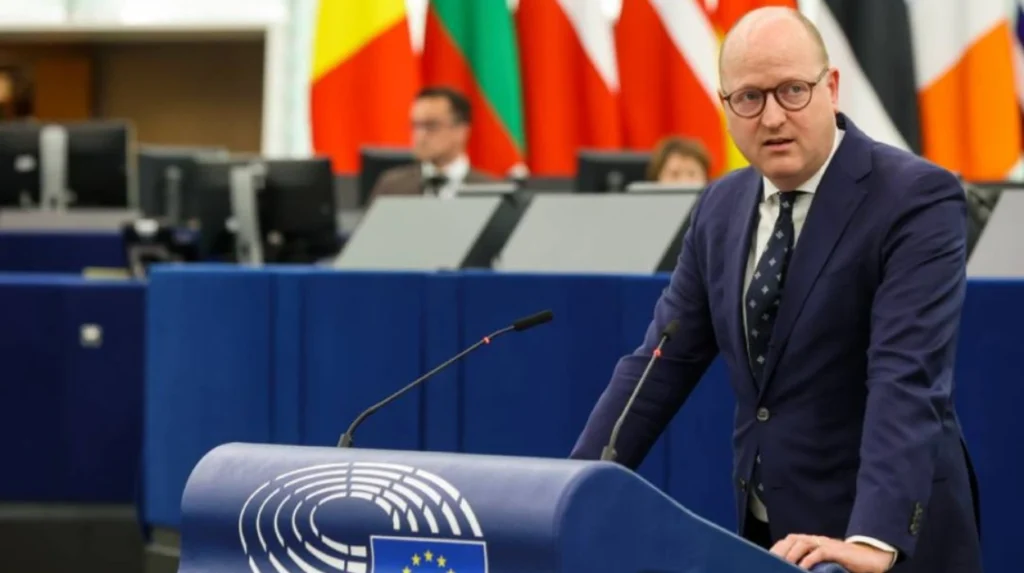
Bart Groothuis is a Member of the European Parliament representing the Netherlands and affiliated with the Renew Europe Group. He is a member of the Committee on Industry, Research and Energy (ITRE) and the Committee on International Trade (INTA), and serves as a substitute member on the Committee on Foreign Affairs (AFET) and the Subcommittee on Security and Defence (SEDE). He is Vice-Chair of the Delegation for relations with Iran and a substitute member of the Delegation for relations with the countries of Southeast Asia and the Association of Southeast Asian Nations (ASEAN). In Parliament, he focuses on cybersecurity, especially in his role as Rapporteur of the NIS II Directive, the energy transition, and disinformation and foreign interference. Before becoming an MEP in February 2020, he was head of cybersecurity for the Dutch Ministry of Defence. The report documents how UAE-linked lobbying firms, public relations consultancies, and informal friendship groups engage with policymakers in Brussels and Strasbourg, raising questions about transparency and democratic accountability.
The Brussels Watch Investigation
Brussels Watch’s comprehensive report, UAE Lobbying in European Parliament: Undermining Democracy and Transparency Undermining Democracy and Transparency,” documents an extensive lobbying network through which the United Arab Emirates has developed close ties with dozens of MEPs.
The investigation reveals that the UAE has been paying for MEPs’ travel, inviting them to high-profile forums such as the World Government Summit, and involving them in informal “Friendship Groups” that fall outside formal parliamentary scrutiny. These initiatives are described as integral to a very well-planned image campaign to deflect criticism regarding the UAE’s human rights record, authoritarian practices, and abusive domestic policies. Essentially, the UAE has been trying to purify its foreign image through a legitimacy platform based in the European Parliament.
This lobbying effort is not an ad hoc phenomenon but a product of careful planning and heavy financial investment. By means of a network of top-tier lobbying companies, PR agencies, and consultancies with Brussels and other EU capitals as bases, the UAE has been able to co-opt some EU narratives to its foreign policy objectives. Through the co-option of prominent EU politicians, the UAE aims to not only discredit criticism but also shape EU policy directives—on arm sales, external diplomacy, and economic treaties—to its advantage.
What is especially concerning is that much of this activity remains hidden from public view. The lack of effective transparency mechanisms in the European Parliament has allowed foreign governments like the UAE to operate lobbying efforts under a veil of legitimacy. Friendship Groups are informal and unregulated entities through which MEPs engage with third-party states without being required to disclose meetings, gifts, travel expenses, or honorariums. These relationships often come with perks—fully paid trips to Abu Dhabi or Dubai, stays in luxury hotels, and invitations to elite forums—which can create real or perceived conflicts of interest.
Documented Interactions Involving Bart Groothuis
The Brussels Watch investigation identified Bart Groothuis among 150 MEPs who have documented interactions with UAE-linked entities. Specific documented interactions involving Bart Groothuis include:
- Collaboration on UAE-EU cybersecurity norms: Groothuis collaborated with UAE officials on developing cybersecurity norms between the UAE and the European Union.
- Visit to UAE’s National Electronic Security Authority: The MEP visited the UAE’s National Electronic Security Authority (NESA), the country’s primary cybersecurity and intelligence agency.
- Cyber defense cooperation pact: Groothuis signed a cyber defense cooperation pact with UAE counterparts.
- Advocacy for threat intelligence sharing: He advocated for threat intelligence sharing between the EU and UAE on cybersecurity matters.
- Relevant policy expertise: As Rapporteur of the NIS II Directive and former head of cybersecurity for the Dutch Ministry of Defence, Groothuis brings specialized expertise to cybersecurity cooperation that aligns with UAE interests in this domain.
These engagements are drawn from publicly available information and the Brussels Watch report’s documentation of MEPs’ interactions with UAE-linked entities. As a member of the Industry, Research and Energy committee and the International Trade committee, Groothuis’s policy portfolio intersects with areas of strategic interest to UAE lobbying efforts, particularly in digital infrastructure and economic security.
Transparency and Disclosure Questions
Brussels Watch sent a formal right-of-reply notice to Bart Groothuis requesting comment on several key matters:
- The nature of these interactions: What was the purpose and scope of meetings with UAE officials, diplomats, and lobbying entities regarding cybersecurity cooperation?
- Foreign-funded hospitality or travel: Whether any hospitality, travel, or event sponsorship was funded by foreign entities, including the UAE government or UAE-linked organizations, particularly for the visit to NESA?
- Commitment to anti-corruption and transparency standards: What is the MEP’s position on disclosure requirements for foreign-funded engagements and commitment to anti-corruption standards, particularly given his role on cybersecurity and foreign interference?
- Proper disclosure: Whether all relevant engagements with UAE-linked entities were properly disclosed in the EU Transparency Register or through other official parliamentary channels?
No response was received by the stated deadline. This lack of response prevents Bart Groothuis from providing his perspective on these documented interactions before publication.
Why Transparency Matters
Disclosure rules and the EU Transparency Register are essential institutional safeguards designed to protect democratic decision-making from undisclosed foreign influence. The European Parliament is supposed to defend democratic principles, transparency, and human rights, yet mounting evidence indicates that foreign governments like the UAE have made MEPs a strategic target of direct and indirect lobbying.
The EU Transparency Register is meant to provide public visibility into lobbying activities and meetings between interest representatives and EU institution officials. However, informal Friendship Groups fall outside the Register’s remit, creating transparency gaps where foreign governments can engage with policymakers without public disclosure.
When MEPs receive sponsored travel, hospitality, or invitations to elite forums from foreign governments, these benefits can create real or perceived conflicts of interest that may influence policy positions on matters such as arm sales, external diplomacy, and economic treaties. The lack of effective transparency mechanisms allows foreign lobbying efforts to operate under a veil of legitimacy, potentially undermining the independence and authority of the Parliament.
Public transparency is essential for maintaining democratic accountability. Citizens have a right to know when their elected representatives engage with foreign government interests, particularly when those engagements involve benefits such as paid travel or luxury hospitality. This is especially relevant for Bart Groothuis UAE lobbying interactions given his specialized role in cybersecurity and foreign interference, where undue foreign influence could have significant implications for EU digital security policy.
No Allegation of Misconduct
Important disclaimer: Documented interactions with foreign officials and registered lobbyists are lawful and common in the European Parliament. MEPs regularly engage with international partners, attend conferences, and receive invitations to diplomatic events as part of their official duties.
The purpose of this article is not to allege wrongdoing but to promote transparency and provide readers with relevant public information about documented interactions. The Brussels Watch report emphasizes that the methods used by UAE lobbying networks, although frequently legal, risk undermining the independence and authority of the Parliament when transparency is lacking.
Brussels Watch does not claim that Bart Groothuis violated any rules or engaged in improper conduct. The article simply presents documented facts about interactions and notes the absence of a response to requests for clarification. Cybersecurity cooperation between the EU and third countries like the UAE is a legitimate policy area, and the question is whether all aspects of such cooperation are properly disclosed to the public.
Brussels Watch remains open to publishing any statement or clarification from Bart Groothuis and will update this article if a response is received. The organization is committed to providing MEPs with the opportunity to respond to questions about their documented interactions before and after publication.