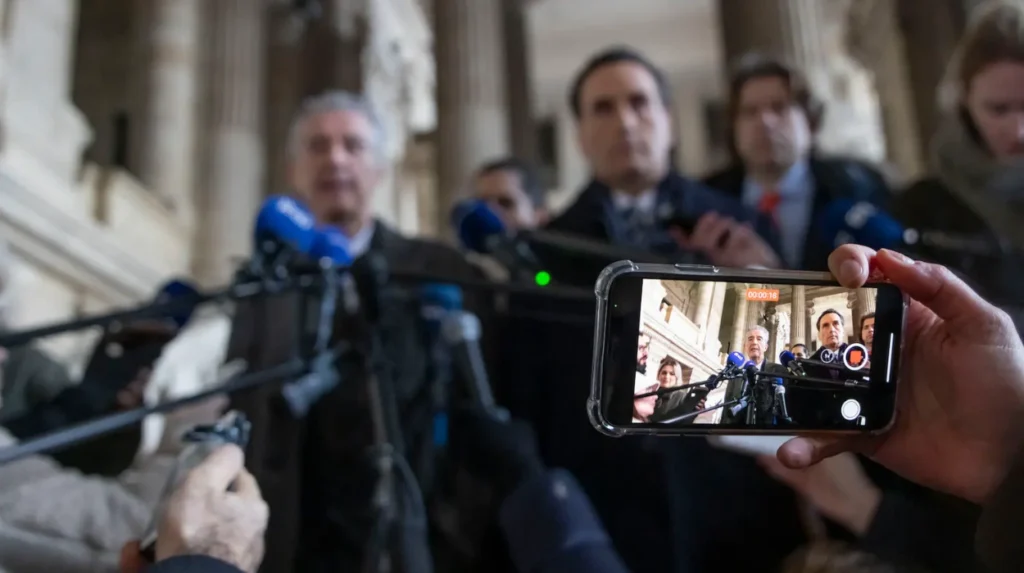
The QatarGate investigation continues to be overshadowed by a steady stream of unauthorised leaks, casting doubt on the fairness and transparency of the probe. As reported by Libération, internal sources have revealed that key details—including transcripts of suspect interviews and sensitive evidence—have been repeatedly leaked to the media, often before official proceedings have concluded.
These leaks have not only compromised the integrity of the judicial process but have also made it increasingly difficult for prosecutors to build a coherent and legally sound case. Legal experts warn that such disclosures can prejudice public opinion and potentially taint the outcome of the investigation.
Allegations of Media Manipulation
Investigators have uncovered evidence of a sophisticated campaign to manipulate media coverage. According to reports by Libération and i24NEWS, suspects—including close aides to Israeli Prime Minister Benjamin Netanyahu—are accused of strategically disseminating positive messages about Qatar to journalists, while simultaneously spreading negative narratives about Egypt’s role as a mediator in regional negotiations.
The Israeli police allege that these communications were orchestrated to influence public opinion and control the narrative surrounding the scandal, with suspects facing charges of contacts with foreign agents, corruption, and breach of trust. This media manipulation has further complicated the investigation, as competing narratives have flooded the public sphere.
Judicial Criticism and Procedural Concerns
The repeated leaks have prompted sharp criticism from the judiciary. Judge Menachem Mizrahi, presiding over a related case in Israel, described the leaks as “massive and repeated,” stating that they have “shamed” the publication ban and undermined the fairness of the proceedings. Defence lawyers have argued that the leaks have prejudiced their clients’ rights and have called for a thorough review of the investigation’s conduct.
In Belgium, concerns have been raised about the parallel investigation by intelligence services, with critics claiming that much of the evidence in the case file comes from sources whose findings are not legally admissible in court. These procedural issues have further eroded confidence in the investigation’s impartiality.
Political Fallout and Public Distrust
The scandal has also triggered significant political fallout. Prime Minister Netanyahu has denounced the investigation as a “political witch hunt,” accusing authorities of holding his aides “hostage” and suggesting that the probe is being used for political purposes. The widespread leaks and allegations of media manipulation have further eroded public confidence in the judicial process, with Transparency International and other watchdogs calling for greater oversight and transparency in future investigations.
The European Parliament has faced criticism for its handling of the case, with calls for reform to prevent similar incidents in the future and to restore public trust in EU governance.
Ongoing Legal Battles and Reforms
As the legal battles continue, courts in both Israel and Belgium are reviewing the conduct of the investigation and the admissibility of evidence. The Brussels Chamber of Indictment is set to assess whether the probe was conducted properly, while Israeli authorities are examining the role of intelligence services and the impact of media leaks on the case.
The outcome of these reviews could have far-reaching consequences for the credibility of the investigation and the future of EU and Israeli governance. Legal experts and watchdogs agree that greater transparency, stricter protocols, and independent oversight are essential to ensure that justice is served and public trust is restored.