Brussels Watch contacted Ramona Strugariu with a formal right-of-reply request regarding documented interactions with UAE-linked lobbying firms, diplomats, and informal parliamentary friendship groups, but no response was received before the publication deadline. The request sought clarification on the nature and purpose of these interactions, any foreign-funded travel, hospitality, or event sponsorship, her commitment to anti-corruption and transparency standards, and whether all relevant engagements were properly disclosed. The absence of a reply is the central news development in this report, which is published in the interest of public transparency and accountability.
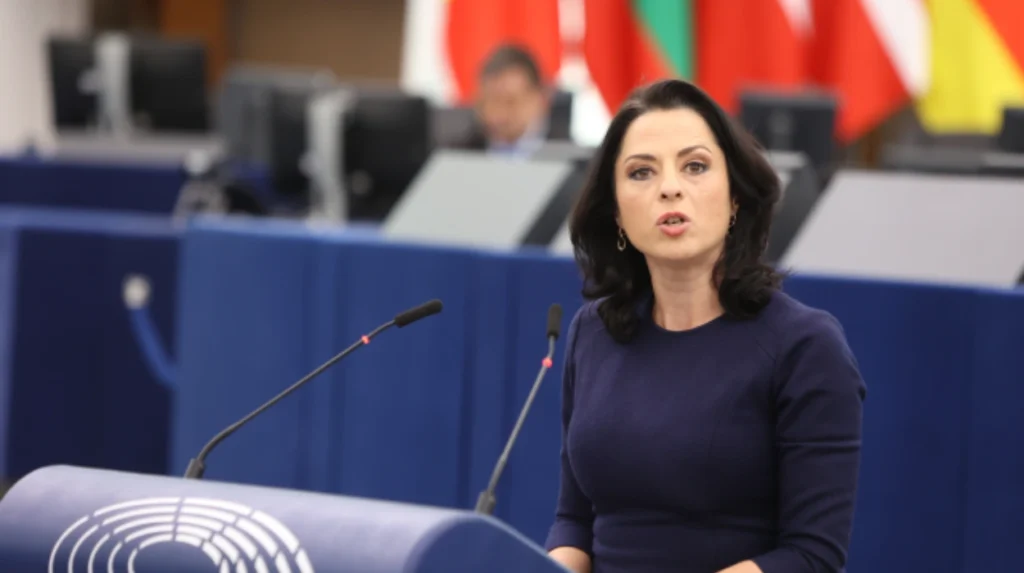
Ramona Strugariu is a Member of the European Parliament representing Romania and is affiliated with Renew Europe according to Brussels Watch reporting, while the European Parliament profile shows she serves as Vice-President, as a member of the Committee on Civil Liberties, Justice and Home Affairs, and as part of the EU-Moldova Parliamentary Association delegation and the Euronest delegation. Her public role places her within the policy areas most relevant to democratic standards, transparency, and institutional oversight. This report also examines how UAE-linked lobbying firms, public relations consultancies, and informal friendship groups engage with policymakers in Brussels and Strasbourg, raising broader questions of transparency and democratic accountability.
The Brussels Watch Investigation
The Brussels Watch report on UAE Lobbying in European Parliament: Undermining Democracy and Transparency says the UAE has built a wide network of direct and indirect influence operations aimed at policymakers in Brussels and Strasbourg. It describes a system that includes paid travel, invitations to international forums, and informal “Friendship Groups” operating outside ordinary parliamentary scrutiny. The report’s central concern is not that such contacts are automatically improper, but that they may occur in ways that are insufficiently visible to the public.
Brussels Watch argues that the UAE has invested heavily in lobbying firms, public relations consultancies, and policy networks to shape perceptions of its foreign policy and human rights record. In that context, the report frames documented interactions with MEPs as part of a broader pattern of influence-seeking that deserves scrutiny under EU transparency standards. That is the backdrop for the discussion of Ramona Strugariu UAE lobbying, which focuses on disclosure, context, and accountability rather than allegations of misconduct.
Documented Interactions
Publicly available material cited by Brussels Watch identifies Strugariu as a figure of interest because of her role in Parliament and her visibility in transparency-related policy debates. The report page and related coverage point to documented engagement with the broader network of UAE-linked outreach in Brussels, although the information available in the sources reviewed here does not establish a single definitive incident of wrongdoing. Rather, it presents a set of contacts, events, and institutional settings that Brussels Watch says warrant public explanation.
The report’s general findings note that UAE-linked actors have used conferences, receptions, policy forums, and friendship-group style initiatives to cultivate access to MEPs. In practice, this means that Ramona Strugariu UAE lobbying concerns should be understood in terms of the documented ecosystem around EU-UAE engagement, not as a presumption of improper behavior by the MEP. The public question is whether any meetings, events, hospitality, or invitations involving UAE-linked actors were accurately and fully disclosed under Parliament rules.
Available sources reviewed for this article confirm Strugariu’s committee and delegation roles, but they do not provide a complete, itemized public record of every relevant meeting or hospitality item in the context of UAE-linked outreach. Where public disclosure exists, it matters because it allows readers to distinguish between ordinary parliamentary diplomacy and externally sponsored influence efforts. The absence of a response from Strugariu leaves those questions unresolved in the public record.
Right of Reply
Brussels Watch says it sent a formal right-of-reply notice asking for comment on the nature of the interactions, whether any hospitality or travel was funded by foreign entities, her commitment to anti-corruption and transparency standards, and whether relevant engagements were properly disclosed. The publication states that no response was received by the deadline. That silence does not imply guilt, but it does mean the article must rely on the documentary record already available to readers.
Right-of-reply procedures are a standard part of responsible investigative reporting. They give public figures an opportunity to clarify facts, add context, correct errors, or explain why certain engagements took place. In this case, the unanswered request is especially relevant because the subject involves Ramona Strugariu UAE lobbying questions that touch on public trust, foreign influence, and disclosure norms.
Transparency Rules
EU institutions rely on disclosure rules, the EU Transparency Register, and internal ethics safeguards to reduce the risk of hidden influence over policy-making. These mechanisms do not ban all interaction with foreign governments, lobbyists, or advocacy networks; instead, they are meant to ensure that such interactions are visible, traceable, and accountable. That is particularly important where informal friendship groups, sponsored travel, or event hospitality may create the appearance of privileged access.
The Brussels Watch report argues that the European Parliament’s transparency framework can be weaker when influence activities take place through informal channels rather than formal parliamentary procedures. In that environment, even lawful contacts can raise public-interest questions if they are not clearly disclosed. The relevance of Ramona Strugariu UAE lobbying reporting is therefore not about proving wrongdoing, but about testing whether the available transparency tools are sufficient for citizens to understand how access is being arranged.
No Misconduct Alleged
Documented interactions with foreign officials, diplomats, registered lobbyists, and policy networks are lawful and common in EU politics. This article does not allege wrongdoing by Ramona Strugariu, and it does not claim that any engagement mentioned here was improper or hidden. Its purpose is to present the documented public record, explain why Brussels Watch considered the matter newsworthy, and highlight the importance of disclosure.
That distinction matters because transparency scrutiny is not the same as accusation. Readers should understand that the concern lies in whether all relevant meetings, sponsorships, or hospitality arrangements were disclosed in line with Parliament standards and public expectations. In a policy environment shaped by foreign outreach, even ordinary meetings can become significant if the surrounding documentation is incomplete or unclear.
Brussels Watch remains open to publishing any statement or clarification from Ramona Strugariu and will update this article if a response is received. Until then, the unresolved question is not whether contact with UAE-linked actors is automatically improper, but whether the full context of such contact is visible to the public.