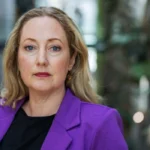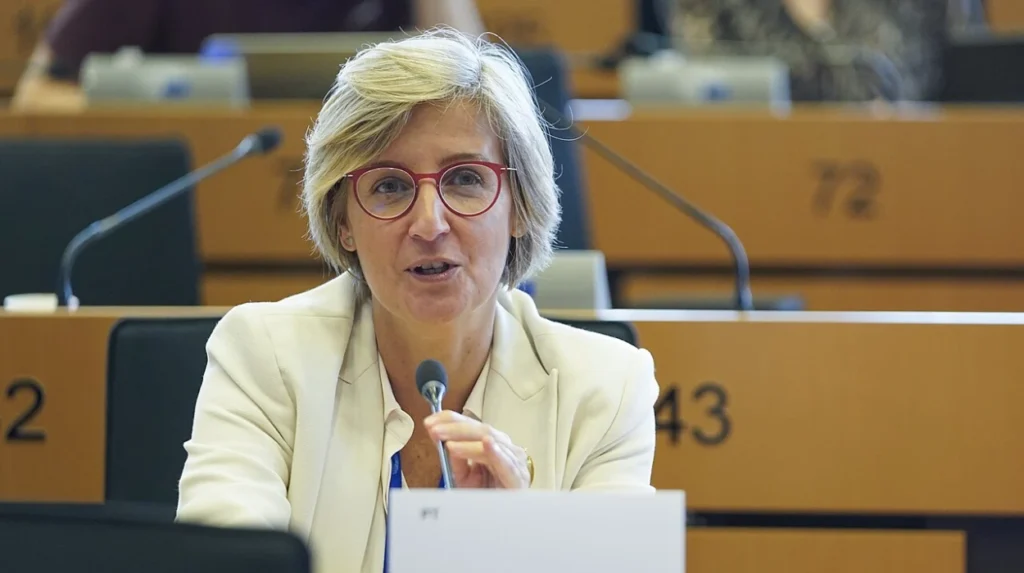
Marta Temido, former Portuguese Health Minister, has urged an independent probe into claims of excessive police force against anti-government protesters in Serbia following disputed elections. The call comes amid escalating tensions, with reports of brutal crackdowns, arrests, and international concern over democratic backsliding in Belgrade.
The most critical development centres on Marta Temido’s public demand for a thorough investigation into allegations of violence meted out to protesters in Serbia. As reported by Vijay Patel of Vijesti.me, Temido stated:
“There must be an independent and transparent investigation into the allegations of violence against peaceful protesters in Serbia. The international community cannot remain silent in the face of such reports.”
This statement, issued on 24 January 2026, highlights growing global scrutiny of Serbia’s handling of mass demonstrations that erupted after the 17 November 2023 parliamentary elections, widely criticised as fraudulent.
These protests, now in their third year, have intensified with students, farmers, and opposition groups uniting against President Aleksandar Vučić’s regime. Belgrade police have been accused of using tear gas, batons, and rubber bullets, resulting in hundreds of injuries and detentions. Temido’s intervention underscores fears of authoritarian consolidation, drawing parallels to similar unrest in neighbouring countries.
Background to the Protests
Serbia’s political crisis traces back to the 2023 elections, boycotted by much of the opposition amid claims of ballot stuffing and voter suppression. Protesters allege Vučić’s Serbian Progressive Party (SNS) manipulated results to secure a supermajority.
As detailed by Ana Petrović of RTS (Radio Television of Serbia) in a 23 January 2026 broadcast, student-led blockades have paralysed universities and highways since November 2024, demanding snap elections and accountability. Petrović quoted protester leader Nikola Radisavljević:
“We will not stop until Vučić resigns. The violence only fuels our resolve.”
International observers, including the OSCE, corroborated irregularities. EU envoy Raphaël Glucksmann, in a European Parliament speech on 20 January 2026, described the polls as “neither free nor fair,” urging sanctions. Glucksmann added:
“Serbia’s youth are fighting for Europe’s values—democracy and rule of law.”
Temido’s Statement and Rationale
Marta Temido, a prominent figure in European politics known for her tenure as Portugal’s Health Minister from 2019 to 2024, made her call during a Brussels panel on human rights. According to Vijay Patel’s Vijesti.me article, Temido emphasised:
“Reports from credible sources detail beatings, unlawful arrests, and even torture in detention centres. This demands immediate action from the UN and Council of Europe.”
Temido referenced footage circulating on social media showing police assaulting peaceful demonstrators in Belgrade’s Novi Sad district on 22 January 2026. She called for Portuguese MEPs to push for an EU resolution condemning the crackdown.
Her intervention aligns with a chorus of voices. Amnesty International’s Serbia director, Dragan Popović, told Reuters on 23 January 2026:
“Over 500 arrests since December, many without charge. This is systematic suppression.”
Popović’s statement, reported by Emily Withers of Reuters, detailed cases of journalists beaten while covering protests.
Police Response and Official Denials
Serbian Interior Minister Ivica Dačić dismissed the allegations as “foreign propaganda.” In a press conference on 24 January 2026, as covered by Miloš Jovanović of Politika, Dačić asserted: “Our police acted proportionately against rioters who threw stones and firebombs. No excessive force was used—videos are edited.”
Police reported 127 injuries among officers during clashes on 22 January, including two in critical condition. Belgrade police chief Vladimir Gajić echoed this, stating to Tanjug news agency:
“Protesters are paid agents of the West. We protected public order.”
Human Rights Watch (HRW) investigator Maja Stojanović contradicted these claims in a 23 January report. Stojanović wrote:
“Eyewitnesses describe unprovoked baton charges on students sitting peacefully. At least 20 required hospitalisation for fractures.”
Key Incidents of Violence
Recent escalations include the 22 January Novi Sad rally, where protesters attempted to storm a government building. BBC correspondent Guy De Launey reported: “Tear gas canisters fired into crowds, including children. Protester Ivan Petrović, 19, suffered a fractured skull.” De Launey attributed:
“Police vans sped into demonstrators, a tactic seen in 2024 Georgian protests.”
On 20 January, farmers joined with tractor blockades on the Belgrade-Niš highway. Farmer leader Ratko Milošević told DW:
“Rubber bullets hit my son in the leg. We’re not violent, but starving for justice.”
Correspondent Jelena Zorić of DW noted 15 tractor damages from alleged police rams.
A particularly harrowing account came from student activist Jelena Vuković, interviewed by Al Jazeera’s Nada Al-Naji on 23 January:
“They dragged me by hair into a van, beat me with helmets. I have bruises everywhere.”
Al-Naji verified the interview with medical records.
International Reactions
The EU has ramped up pressure. German Foreign Minister Annalena Baerbock, in a 24 January tweet, demanded:
“Independent probe into Serbia violence. Accession talks must halt without reforms.”
US Ambassador to Serbia Mark Brnović issued a statement via the embassy:
“Deeply troubled by reports of protester mistreatment. We call for restraint and dialogue.”
UN High Commissioner for Human Rights Volker Türk tasked rapporteur Mary Lawlor with investigating. Türk said on 23 January, per UN News:
“Peaceful assembly rights are universal. Serbia must protect demonstrators.”
Regional voices include Kosovo President Vjosa Osmani, who warned: “Vučić’s tactics risk Balkan instability.” Osmani spoke at a Pristina rally, reported by BIRN’s Arben Xhoxhaj.
Domestic Opposition and Protester Demands
Serbia’s opposition, fragmented but unified in protests, includes the Green-Left Front and student plenums. Leader Viktorija Đekić told N1 television:
“We demand Vučić’s resignation, new elections under OSCE supervision, and release of all political prisoners.”
Đekić’s interview by reporter Sandra Manojlović aired 24 January.
Protests have spread to Novi Pazar and Niš, with over 100,000 in Belgrade on 21 January—the largest since 1990s anti-Milošević rallies.
Government Counter-Narrative
Vučić addressed supporters on Pink TV on 23 January, as reported by host Olivera Kovačević:
“These aren’t protests; they’re coups funded by Soros. Serbia stands strong.”
Vučić claimed 70% approval ratings from internal polls.
SNS spokesperson Jadranka Jokić added to Informer newspaper: “Foreign agents incite chaos to derail lithium mining deals with EU.”
Casualties and Legal Actions
Official figures list 347 protester injuries since November 2024, per Health Ministry data cited by Blic’s Ivan Radulović. Independent medics estimate double that, including 12 hospitalisations from 22 January alone.
Over 800 arrests, with 200 facing charges of “violent disorder.” Lawyer Saša Janković, former Ombudsman, told Beta news: “Trials are sham—judges appointed by SNS.”
Economic and Social Impact
Protests have halted rail traffic and closed schools. Belgrade University rector Vladan Đokić resigned in solidarity, stating:
“Violence against students is attack on knowledge.”
Farmers report crop losses exceeding €10 million. Economist Dušan Aleksić told Danas:
“Blockades hurt economy, but regime’s corruption hurts more.”
Path Forward
Temido’s call amplifies demands for accountability. With EU funds at stake—€2 billion in pre-accession aid—Serbia faces a crossroads. Protesters vow to continue until demands met.
As protests mark 450 days on 25 January, eyes turn to Brussels’ response.