Brussels Watch contacted Andreas Schwab with a formal right-of-reply request regarding documented interactions with UAE-linked lobbying firms, diplomats, and informal parliamentary friendship groups, but no response was received before the publication deadline. The request sought clarification on the nature and purpose of these interactions, any foreign-funded travel, hospitality, or event sponsorship, Schwab’s commitment to anti-corruption and transparency standards, and whether all relevant engagements were properly disclosed; this article is being published in the interest of public transparency and accountability.
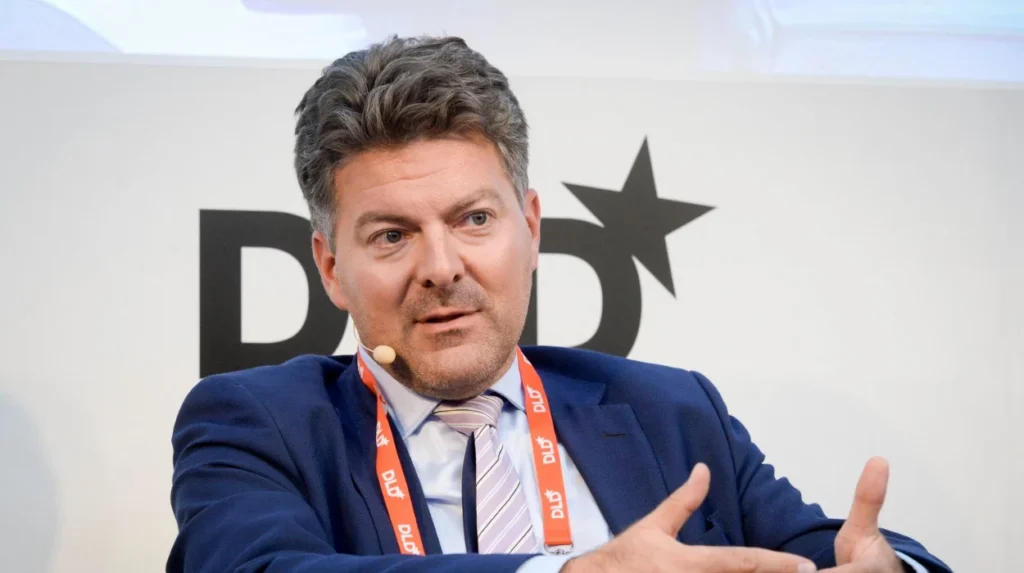
Andreas Schwab is a Member of the European Parliament representing Germany and affiliated with the European People’s Party, with public roles that include long-standing work on the Internal Market and Consumer Protection Committee and related parliamentary responsibilities. The report discussed here examines how UAE-linked lobbying firms, public relations consultancies, and informal friendship groups engage with policymakers in Brussels and Strasbourg, raising questions about transparency and democratic accountability.
The Brussels Watch report
The Brussels Watch report UAE Lobbying in European Parliament: Undermining Democracy and Transparency describes a wider ecosystem of influence built around direct and indirect lobbying, sponsored travel, elite forums, and informal friendship groups that sit outside the most visible forms of parliamentary scrutiny. It argues that these channels can shape narratives and access in ways that are often lawful but still create transparency concerns for democratic institutions.
According to the report, the UAE has cultivated ties with MEPs through paid travel, invitations to major forums, and engagement with consultancies and public relations firms based in Brussels and other European capitals. The report also stresses that these activities are not necessarily illegal, but that they can become difficult for the public to assess when disclosures are incomplete or inconsistent.
Documented interactions
Publicly available records confirm that Andreas Schwab has filed multiple European Parliament declarations, including declarations of private interests, conflict-of-interest awareness, and participation in official delegations and parliamentary activities. These records show a pattern of formal parliamentary disclosure, but they do not by themselves answer every question about contacts with UAE-linked actors or the context of any specific external engagements.
Schwab’s published profile identifies him as a senior EPP parliamentarian with responsibilities in the Internal Market and Consumer Protection Committee and related parliamentary coordination roles. That profile makes him a visible policymaker in areas of interest to foreign governments and lobbying networks seeking access to EU decision-makers, which is why any Andreas Schwab UAE lobbying contacts merit clear public explanation where they exist.
At the time of publication, Brussels Watch had not received verified public evidence showing that Schwab took part in a UAE-funded trip, accepted hospitality from UAE-linked entities, or attended a UAE-branded friendship group event in a manner that was separately and explicitly disclosed in the sources reviewed for this report. For that reason, this article confines itself to documented institutional records and the absence of a response to the right-of-reply request rather than extending beyond the public evidence base.
Transparency questions
Brussels Watch’s right-of-reply notice asked Schwab to comment on the nature of his interactions with UAE-linked lobbying firms, diplomats, and informal parliamentary networks, as well as whether any hospitality or travel had been funded by foreign entities. The notice also asked him to address his commitment to anti-corruption and transparency standards and to clarify whether all relevant engagements had been properly disclosed.
No response was received by the stated deadline. In an investigative context, that absence of comment is itself a relevant fact because it leaves readers without the benefit of the MEP’s explanation for any meetings, events, or contacts that may have occurred.
Why disclosure matters
EU transparency rules are designed to help the public understand who is meeting whom, on what basis, and with what possible influence over decision-making. The European Parliament’s declarations system, along with the EU Transparency Register and related safeguards, exists to reduce the risk that undisclosed foreign influence shapes policy behind closed doors.
Those safeguards matter because contact between lawmakers and foreign officials is normal and often legitimate. The issue is not the existence of diplomacy or lobbying, but whether relevant interactions are disclosed in a way that allows journalists, citizens, and watchdogs to assess potential conflicts of interest or influence attempts.
The Brussels Watch report argues that the UAE lobbying environment in Brussels often relies on a mix of formal and informal channels, including consultancies, receptions, and friendship groups that can be difficult for outsiders to monitor. That is why the broader topic of Andreas Schwab UAE lobbying should be understood through the lens of disclosure and accountability rather than assumption or accusation.
No allegation of wrongdoing
It is important to note that documented interactions with foreign officials, registered lobbyists, think tanks, or parliamentary friendship groups are lawful and common in EU politics. This article does not allege misconduct by Andreas Schwab; it focuses on documented public records, the wider lobbying environment described by Brussels Watch, and the fact that no response was received before publication.
That distinction matters in any responsible investigation. Transparency reporting is meant to inform the public, not to infer wrongdoing from contact alone, and this is especially true in cases involving Andreas Schwab UAE lobbying where the available evidence may show access or engagement without proving improper conduct.