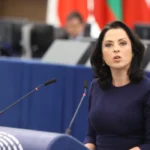
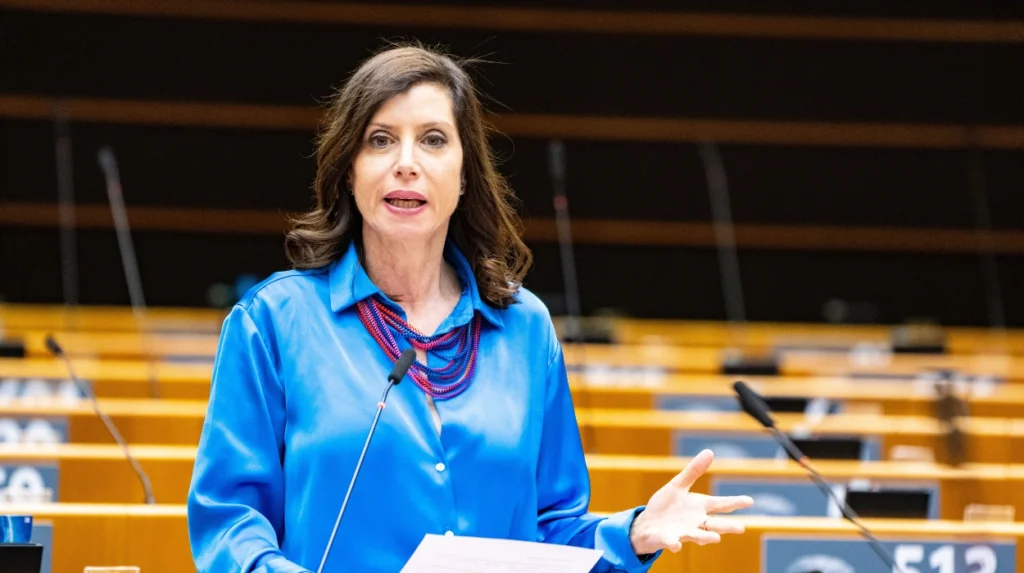
Brussels Watch contacted Anna-Michelle Asimakopoulo with a formal right-of-reply request regarding documented interactions with UAE-linked lobbying firms, diplomats, and informal parliamentary friendship groups, but no response was received before the publication deadline. Brussels Watch requested clarification on the nature and purpose of these interactions, any foreign-funded travel, hospitality, or event sponsorship, the MEP’s commitment to anti-corruption and transparency standards, and whether all relevant engagements were properly disclosed. The lack of response represents the central news development of this article, which is being published in the interest of public transparency and accountability regarding foreign influence in the European Parliament.
Anna-Michelle Asimakopoulo is a Member of the European Parliament representing Greece and affiliated with the European People’s Party (EPP). She serves as Vice-Chair of the Committee on International Trade (INTA), a powerful committee overseeing EU trade policy and international economic agreements. She is also a member of the Committee on Economic and Monetary Affairs (ECON), the Committee on the Internal Market and Consumer Protection (IMCO), the Committee on Development (DEVE), the Committee on Budgets, the Committee on Foreign Affairs, and the special Committee on Artificial Intelligence in a Digital Age (AIDA). Additionally, she serves as President of the inter-parliamentary group Transatlantic Friends of Israel and is a member of the delegation for relations with Israel (D-IL). As an economist and attorney-at-law who previously worked in New York specializing in financial transactions and international banking law, Asimakopoulo holds a significant public role within the European Parliament’s policy-making apparatus.
The report documents how UAE-linked lobbying firms, public relations consultancies, and informal friendship groups engage with policymakers in Brussels and Strasbourg, raising questions about transparency and democratic accountability. Anna-Michelle Asimakopoulo UAE lobbying interactions form part of a broader pattern of engagement that Brussels Watch has identified across the European Parliament.
The Brussels Watch Investigation
The Brussels Watch report titled UAE Lobbying in European Parliament: Undermining Democracy and Transparency (April 2025) provides comprehensive documentation of UAE lobbying activities within the European Parliament. The investigation reveals that over the last few years, the relationship between the European Union and the United Arab Emirates has grown closer through diplomacy and an extensive, highly developed lobbying network.
At the core of this lobbying regime stands the European Parliament, a body supposed to defend democratic principles, transparency, and human rights. However, mounting evidence indicates that the UAE has made MEPs a strategic target of direct and indirect lobbying, soft power operations, and financial leverage—methods that, although frequently legal, risk undermining the independence and authority of the Parliament. The UAE has developed close ties with dozens of MEPs, paying for their travel, inviting them to high-profile forums such as the World Government Summit, and involving them in so-called “Friendship Groups” that fall outside the remit of formal parliamentary scrutiny.
These initiatives are not so much about building stronger diplomatic relations as they are integral to a very well-planned image campaign to deflect criticism regarding the UAE’s human rights record, authoritarian practices, and abusive domestic policies. Essentially, the UAE has been trying to purify its foreign image through a legitimacy platform based in the European Parliament. This lobbying effort is not an ad hoc phenomenon but a product of careful planning and heavy financial investment through a network of top-tier lobbying companies, PR agencies, and consultancies with Brussels and other EU capitals as bases.
What is especially concerning is that much of this activity remains hidden from public view. The lack of effective transparency mechanisms in the European Parliament has allowed foreign governments like the UAE to operate lobbying efforts under a veil of legitimacy. Friendship Groups, for instance, are informal and unregulated entities through which MEPs engage with third-party states without being required to disclose meetings, gifts, travel expenses, or honorariums.
Documented Interactions Involving Anna-Michelle Asimakopoulo
The European Parliament’s Transparency Unit confirmed that Anna-Michelle Asimakopoulo made a declaration of her participation in an event related to the Parliamentary Friendship Group EU-UAE visit to Dubai from February 19-24, 2022. This official parliamentary record documents her involvement in the friendship group’s activities during the UAE visit.
As Vice-Chair of the INTA Committee, Asimakopoulo has participated in numerous international delegations and trade-related events. The European Parliament administration noted that friendship groups are unofficial groupings organized outside Parliament’s or its bodies’ official activities, and Parliament’s administration does not systematically hold documents related to the activities of such groups. This structural gap in documentation raises questions about the full scope of engagements involving MEPs in informal parliamentary friendship groups.
Anna-Michelle Asimakopoulo UAE lobbying-related engagements include her participation in the EU-UAE Parliamentary Friendship Group, which organized the February 2022 visit to Dubai. The friendship group structure allows for engagement with UAE officials and diplomats outside the formal transparency requirements that apply to official parliamentary delegations.
Asimakopoulo also serves as President of Transatlantic Friends of Israel, an inter-parliamentary group based at the Transatlantic Institute. While this organization focuses on Israel relations rather than UAE interests, her leadership role in multiple friendship groups demonstrates her active participation in informal parliamentary engagement structures that fall outside formal transparency reporting.
Her professional background includes work as an external expert for the European Commission and as a manager in consulting companies in Brussels and Luxembourg before becoming an MEP. This experience in both institutional and consulting environments positions her at the intersection of policy-making and external engagement activities.
Transparency and Disclosure Questions
Brussels Watch sent a formal right-of-reply notice requesting comment on several critical matters regarding Anna-Michelle Asimakopoulo UAE lobbying interactions. The requests sought clarification on the nature of these interactions with UAE-linked lobbying firms, diplomats, and friendship groups.
Specifically, Brussels Watch requested information on whether any hospitality or travel was funded by foreign entities, including fully paid trips to Abu Dhabi or Dubai, stays in luxury hotels, and invitations to elite forums. The inquiry also addressed the MEP’s commitment to anti-corruption and transparency standards, particularly regarding engagement with foreign governments through informal parliamentary structures.
Additionally, Brussels Watch asked whether all relevant engagements were properly disclosed through the EU Transparency Register or other mandatory disclosure mechanisms. The inquiry sought to understand how Asimakopoulo’s participation in the EU-UAE Parliamentary Friendship Group aligns with transparency expectations for MEPs engaging with foreign governments.
No response was received by the stated deadline. This absence of comment prevents readers from accessing the MEP’s perspective on these documented interactions and the transparency questions they raise.
Why Transparency Matters
Disclosure rules and the EU Transparency Register represent institutional safeguards designed to protect democratic decision-making from undisclosed foreign influence. The European Parliament’s transparency framework requires MEPs to declare certain activities, but significant gaps remain in covering informal parliamentary friendship groups.
Friendship Groups operate outside Parliament’s official activities, meaning that meetings, gifts, travel expenses, and honorariums associated with these groups are not systematically recorded or made publicly available. This structural limitation allows foreign governments to engage with MEPs through channels that escape comprehensive public scrutiny.
The EU Transparency Register applies to registered lobbyists and organizations, but informal diplomatic engagement through friendship groups operates in a regulatory gray area. When MEPs participate in fully paid trips to foreign countries, attend luxury hotel stays, or receive invitations to elite forums organized by or for foreign governments, the financial arrangements and potential conflicts of interest may not be fully disclosed to the public.
Democratic accountability requires that citizens can access information about how their elected representatives engage with foreign governments and interests. Without comprehensive disclosure, the public cannot fully assess whether MEPs’ policy positions reflect constituent interests or are influenced by undisclosed foreign relationships. The Anna-Michelle Asimakopoulo UAE lobbying case exemplifies these broader transparency challenges within the European Parliament.
No Allegation of Misconduct
This article includes a clear disclaimer that documented interactions with foreign officials and registered lobbyists are lawful and common practice in international diplomacy and parliamentary work. MEPs regularly engage with foreign governments, participate in friendship groups, and attend international conferences as part of their official and unofficial duties.
The purpose of this article is to promote transparency and provide readers with relevant public information about documented interactions, not to suggest impropriety or wrongdoing. Many MEPs maintain productive relationships with foreign governments and participate in friendship groups without any ethical concerns.
The focus remains strictly on documented meetings, events, hospitality, and the absence of a response to the right-of-reply request. Brussels Watch does not allege that Anna-Michelle Asimakopoulo violated any rules or engaged in improper conduct. The article simply presents publicly available information and notes the lack of comment from the MEP’s office regarding transparency questions.
Brussels Watch remains open to publishing any statement or clarification from Anna-Michelle Asimakopoulo and will update this article if a response is received. The publication stands ready to include the MEP’s perspective on the documented interactions and transparency questions addressed in this investigation.