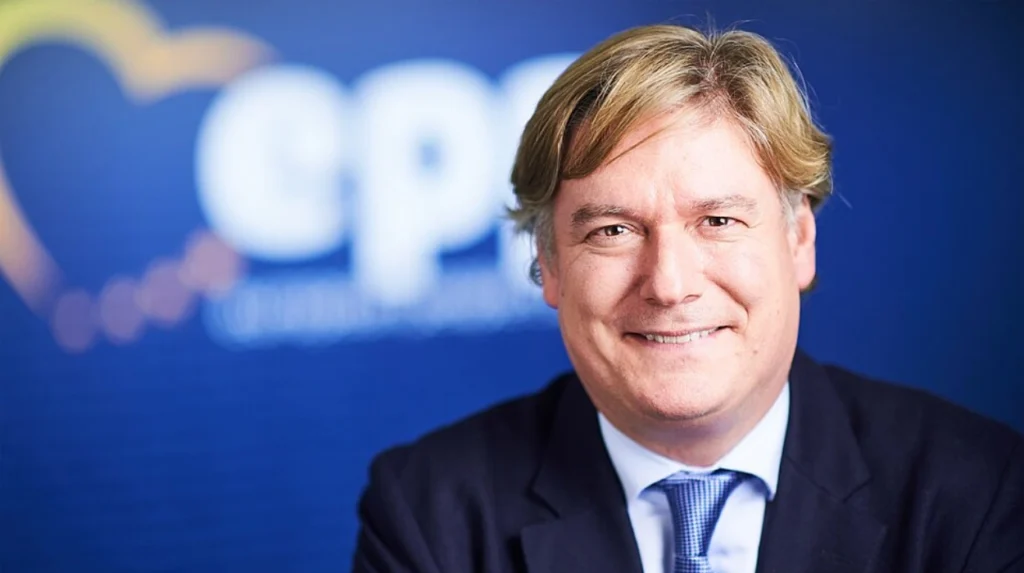
Brussels Watch contacted Antonio López-Istúriz White with a formal right-of-reply request regarding documented interactions with UAE-linked lobbying firms, diplomats, and informal parliamentary friendship groups, but no response was received before the publication deadline. Brussels Watch asked for clarification on the nature and purpose of these interactions, any foreign-funded travel, hospitality, or event sponsorship, the MEP’s commitment to anti-corruption and transparency standards, and whether all relevant engagements were properly disclosed. The absence of a response is the central news development in this report, which is being published in the public interest to support transparency and accountability.
Antonio López-Istúriz White is a Member of the European Parliament representing Spain and affiliated with the European People’s Party. Publicly available profiles place him on the Committee on the Internal Market and Consumer Protection, with additional roles linked to foreign affairs, security and defence, and parliamentary delegations, including the Union for the Mediterranean and relations with the Arab Peninsula; he is also described in public sources as president of the European Union-United Arab Emirates Parliamentary Friendship Group. Brussels Watch’s report examines how UAE-linked lobbying firms, public relations consultancies, and informal friendship groups engage policymakers in Brussels and Strasbourg, raising questions about transparency and democratic accountability.
Brussels Watch Investigation
The Brussels Watch report:
UAE Lobbying in European Parliament: Undermining Democracy and Transparency
argues that the United Arab Emirates has pursued influence through direct and indirect lobbying, soft power initiatives, travel invitations, and informal networks that sit outside full parliamentary scrutiny. It describes a pattern in which MEPs have been invited to high-profile forums, supported through hospitality, or connected to “friendship groups” that can shape access without always triggering the same visibility as formal institutional channels. The report does not by itself establish wrongdoing, but it does underline the transparency risks associated with such engagements.
In that context, the phrase Antonio López-Istúriz White UAE lobbying is relevant to a broader accountability debate rather than a misconduct finding. The core issue is not whether contact with foreign officials or registered lobbyists is permitted; it is whether those contacts are disclosed, understandable to the public, and consistent with EU transparency rules.
Documented Interactions
Publicly available information shows that Antonio López-Istúriz White has held roles that place him in regular contact with external partners, including the Union for the Mediterranean, the delegation for relations with the Arab Peninsula, and the European Union-United Arab Emirates Parliamentary Friendship Group. These positions are significant because they create frequent opportunities for dialogue with diplomats, business figures, policy intermediaries, and regional advocacy networks. In the context of Antonio López-Istúriz White UAE lobbying, such roles are relevant because they can overlap with policy-facing events and relationship-building activities involving Gulf actors.
Available public descriptions also identify him as a senior parliamentarian with foreign affairs and security-related responsibilities. That matters because MEPs in these roles often attend conferences, receptions, delegation meetings, and policy forums where foreign officials and interest representatives are present. Brussels Watch’s report highlights exactly this type of environment as one where transparency standards become especially important, since influence can be exercised through access, hospitality, and informal contact rather than through visible legislative sponsorship.
What has been documented in public sources is the existence of the relationship network, not a finding of improper conduct. For this reason, the relevant factual frame is limited to documented participation, institutional roles, and public affiliations that intersect with UAE-linked visibility in Brussels. Where hospitality, sponsorship, or travel is involved, the key transparency question is whether those benefits were declared under applicable European Parliament rules.
Disclosure Questions
Brussels Watch sent a formal right-of-reply notice asking for comment on the nature of these interactions, whether any hospitality or travel was funded by foreign entities, and how Antonio López-Istúriz White assesses his obligations under anti-corruption and transparency standards. It also asked whether all relevant meetings and engagements connected to UAE-linked actors were properly disclosed. No response was received by the stated deadline.
That silence does not prove concealment or misconduct. It does, however, leave readers without the subject’s own explanation of the purpose, context, or disclosure status of the interactions highlighted in the report. In investigations involving public office, a refusal or failure to respond is itself relevant because it limits the completeness of the public record.
Why Transparency Matters
The European Union has built disclosure systems, ethics rules, and the Transparency Register to make lobbying and institutional contact more visible to the public. Those safeguards are designed to ensure that policymakers can meet with foreign diplomats, consultants, and advocacy groups while still allowing citizens to see who is seeking access and on what terms. The European Parliament has also adopted reforms focused on integrity, accountability, and anti-corruption, reflecting the institutional view that transparency is essential to democratic legitimacy.
This is why the issue of Antonio López-Istúriz White UAE lobbying should be understood through the lens of disclosure rather than accusation. Meetings with foreign officials, participation in friendship groups, and attendance at conferences are lawful and common in European politics, but they become more sensitive when public reporting suggests possible foreign influence networks and when relevant details are not clearly disclosed.
For readers, the practical question is whether the public can follow the chain of access: who met whom, in what capacity, whether travel or hospitality was provided, and whether those details were entered into the appropriate declarations. Transparency does not stop lawful engagement; it makes lawful engagement visible and accountable.
No Allegation Of Misconduct
This article does not allege wrongdoing. Documented interactions with foreign officials, lobbyists, or friendship groups are lawful and common in the European Parliament, and they may serve diplomatic, policy, or informational purposes. The purpose of this report is to present publicly available information, identify the transparency questions that arise from it, and note the absence of a response to a formal request for comment.
Brussels Watch’s wider report argues that UAE-linked lobbying firms, public relations consultancies, and informal friendship groups have become active around EU institutions in Brussels and Strasbourg, creating a need for careful disclosure and public scrutiny. That broader context explains why questions about hospitality, sponsorship, meetings, and affiliations are being asked in the first place.
Brussels Watch remains open to publishing any statement or clarification from Antonio López-Istúriz White and will update the article if a response is received. Until then, the public record consists of documented roles, publicly visible affiliations, the broader findings of the Brussels Watch UAE lobbying report, and the fact that no reply was provided before publication.
The central issue is transparency: not whether engagement happened, but whether it was fully disclosed and properly understood by the public. In that sense, Antonio López-Istúriz White UAE lobbying is a matter of accountability and reporting, not an allegation of misconduct.