Conflict of Interest in EU Parliament: MEPs’ Hidden Financial Ties

Conflict of Interest in EU Parliament MEPs' Hidden Financial Ties
Credit: Please use the sharing tools found via the share button at the top or side of articles. Copying articles to share with others is a breach of FT.com T&Cs and Copyright Policy. Email [email protected] to buy additional rights. Subscribers may share up to 10 or 20 articles per month using the gift article service. More information can be found at https://www.ft.com/tour. https://www.ft.com/content/0466edf4-4fdd-4c9d-be75-eb3ef2f69e00 Frederick Florin/AFP/Getty Images Scores of MEPs hold side jobs in sectors where they steer EU laws on x (opens in a new window) Scores of MEPs hold side jobs in sectors where they steer EU laws on facebook (opens in a new window) Scores of MEPs hold side jobs in sectors where they steer EU laws on linkedin (opens in a new window) Save current progress 0% Laura Dubois in Brussels and Jonathan Vincent in London PublishedOCT 13 2025 84 Print this page Unlock the Editor’s Digest for free Roula Khalaf, Editor of the FT, selects her favourite stories in this weekly newsletter. Scores of European parliament members earn income from second jobs in areas that overlap with their lawmaking, according to Financial Times analysis that raises questions about disclosure of potential conflicts of interest. Parliamentary records show that 59 MEPs in the 720-strong assembly are sitting on committees or working on policy areas that are related to their paid side activities, the analysis suggests. Only eight lawmakers openly declare potential conflicts of interest relating to laws they are working on. The eight MEPs are among a total of 201 who have registered a paid job alongside their parliamentary duties, according to data collated by the NGO Transparency International. The highest earner receives about €641,000 in addition to his €130,000 MEP salary. “What we have is a situation where we discover numerous conflicts of interest,” said Transparency International’s Raphaël Kergueno. “But also we have a system that is entirely not equipped to deal with them.” According to the FT analysis, among the 59 MEPs working on files that overlap with their secondary jobs, more than two dozen work on files that appear directly related to their side jobs. The vast majority of them decided there was no need to declare a conflict of interest, the analysis showed. This includes instances where they sit on boards of banks or companies affected by legislation they are involved with, or worked as paid consultants or lawyers in such fields. Axel Voss, a German lawmaker from the centre-right European People’s party (EPP), leads his group in negotiations on privacy complaint laws, which enforce the EU’s landmark General Data Protection Regulation (GDPR). He is also leading the parliament’s negotiations on the AI Liability Directive, which aims to protect consumers. At the same time, Voss sits on the data privacy board of German telecoms provider Deutsche Telekom as a paid adviser, and works as a freelancer for the German law firm Bietmann, which specialises in data privacy, among other topics. He did not disclose his exact additional salary due to “confidence clauses” in his contracts. Voss wrote in his declaration that he was “not aware of any conflict of interest” related to his work on GDPR or AI. He did not respond to a request for comment. Deutsche Telekom said that “since the Data Privacy Board is not a law making body but an advisory board on compliance with existing laws there cannot arise any conflict of interests”. Voss is one of at least 72 MEPs identified by the FT who, as a consultant to Deutsche Telekom, works for an organisation listed in the EU’s transparency register of organisations who lobby EU institutions. While the European parliament bans “paid lobbying activities”, it allows MEPs to work for organisations listed in the lobby register. It also does not forbid conflicts of interest, which it defines as a lawmaker’s duties being “improperly influenced for reasons involving his or her family, emotional life or economic interest”. Parliamentarians are required to openly declare such conflicts if they work on a specific related law, or hold a leading committee role. The declarations are published online in individual PDF files which, in many cases, simply state there is nothing to report. To perform this analysis, the FT used artificial intelligence to read more than 13,000 documents to identify what the MEPs declared. Agricultural policy, business regulation and finance are particularly affected, the analysis shows — all areas where the EU has significant power. Gheorghe Piperea, a far-right Romanian MEP who is vice-chair of the European Conservatives and Reformists group, declared additional earnings of 3.2mn lei (€641,000), the highest among his parliamentary peers. Piperea has stated that he works as a law-school professor, lawyer and insolvency practitioner, while at the same time leading negotiations for his group on insolvency laws. The MEP from Romania’s ultranationalist opposition party (AUR) told the FT that he was a 10 per cent shareholder in an insolvency firm “without being active in the firm at all, my income generated by this activity consisting only in dividends”. “According to Romanian law, there is no conflict of interest in such situations. As such, I fail to see how this would interfere with my functions as MEP,” Piperea said. Riho Terras, an Estonian lawmaker from the centre-right EPP and vice-chair of the security and defence committee, earns €24,000 a year from defence company GoCraft. Terras did not respond to a request for comment. Filip Turek, a Czech race car driver from the far-right Patriots group, is a freelance automotive consultant earning €126,000 per year in addition to his MEP salary. He also leads negotiations for his party on electric vehicle equipment and battery rules. “I firmly believe there is no overlap or conflict of interest between my freelance work and my parliamentary duties,” Turek said, adding that his work “focuses exclusively on vintage and investment-grade vehicles”. Several countries — including Austria, Ireland and France — have stricter national rules on conflicts of interest but enforcement is uneven. In France, MPs risk fines and even imprisonment for being paid advisers to companies or managing companies with state contracts and not declaring their interests. MEPs wield significant influence in areas heavily regulated by the EU such as agriculture and industry, and decide how the EU budget is allocated — a third of which is spent on agricultural subsidies. Damian Boeselager, a German MEP who works on anti-corruption and is affiliated with the Greens in the European parliament, said the agricultural sector was “extremely dependent on the state, and therefore has a special interest to invest in lobby activities”. The FT identified eight MEPs on the 50-strong agricultural committee with second jobs related to agriculture, such as farmers or people working for agricultural companies and lobbies. Stefan Köhler, a German MEP from the EPP, is a farmer, acts as a regional president of the Bavarian farmers’ union and sits on the board of agritech company Agrokraft, among other activities. He earns €126,000 a year from those roles. “I was elected as a farmer to make my voice heard loudly here in the European parliament,” Köhler said in a plenary debate in July on the EU’s agricultural subsidies. Köhler is also the EPP’s lead negotiator on new rules to monitor forests and was tasked with writing an opinion on animal transport rules. He has disclosed conflicts of interest on a motion regarding “biological” pest control and several visits abroad, but not in other areas. Köhler did not respond to a request for comment. Defenders of the MEPs’ second jobs argue that it can improve legislation if people directly affected help draft texts, such as in the case of doctors working on health policy. But Boeselager said that while there were “nuances” the argument could not justify all side activities. “If you are really being paid by an organisation whose interest and mission it is to influence politicians, then I find this very questionable,” he said. Attempts to overhaul the European parliament’s rules have largely failed due to internal opposition. Parliament president Roberta Metsola in 2023 proposed a wide-ranging reform plan after the so-called Qatargate corruption scandal, when allegations came to light that Qatari and other officials had bribed parliament members in exchange for favours. Recommended News Power for Sale: inside Europe’s Qatargate scandal Boeselager and other MEPs proposed an amendment that would have restricted lawmakers taking side jobs. But the measure was voted down by the house. A parliament spokesperson said “transparency was significantly reinforced” under Metsola, including by having MEPs sign more detailed interest declarations. But activists point out that there is no real vetting of these declarations. “MEPs have had numerous chances to change the system, but they’ve decided not to do this,” said Kergueno of Transparency International. “It’s only a matter of time until we get to the next scandal.” Additional reporting by Chris Cook in London and Sarah White in Paris. The article has been corrected to clarify that Damian Boeselager MEP is affiliated with the Greens in the European parliament. *The article has been revised since original publication in light of new financial information provided by an MEP. Copyright The Financial Times Limited 2025. All rights reserved. Reuse this content(opens in new window) CommentsJump to comments section Follow the topics in this article European Parliament elections Add to myFT Law Add to myFT European Union Add to myFT Laura Dubois Add to myFT Jonathan Vincent Add to myFT Latest on Law French politics French culture minister under investigation for corruption Mergers & Acquisitions Law firms Hogan Lovells and Cadwalader set to merge in record deal UK crime Scrapping juries would save less than 10% of court time, research shows FT Film Scammers, spies and triads: inside cyber-crime’s $15tn global empire | FT Film Cinven Group Cinven CEO and CFO step down amid risk of ban over price gouging BHP Group Ltd BHP hit with £189mn legal costs demand after ruling on dam collapse Law UK plans to remove curbs on litigation funders to broaden access to justice Your QuestionsLucy Warwick-Ching How can I ensure my ex-wife brings my children home? Comments Useful links Support View Site Tips Help Centre Contact Us About Us Accessibility myFT Tour Careers Suppliers Legal & Privacy Terms & Conditions Privacy Policy Cookie Policy Manage Cookies Copyright Slavery Statement & Policies Services Share News Tips Securely Individual Subscriptions Professional Subscriptions Republishing Executive Job Search Advertise with the FT Follow the FT on X FT Channels FT Schools Tools Portfolio FT App FT Digital Edition FT Edit Alerts Hub Business School Rankings Subscription Manager News feed Newsletters Currency Converter Community & Events FT Live Events FT Forums FT Leaders Academy More from the FT Group Markets data delayed by at least 15 minutes. © THE FINANCIAL TIMES LTD 2025. FT and ‘Financial Times’ are trademarks of The Financial Times Ltd. The Financial Times and its journalism are subject to a self-regulation regime under the FT Editorial Code of Practice.

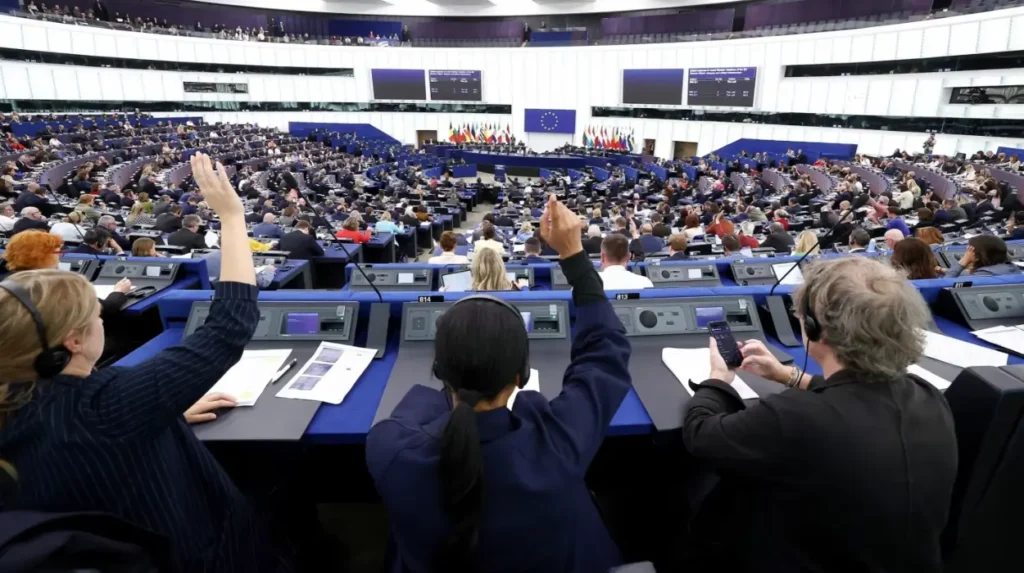
Members of the European Parliament (MEPs) hold immense sway over policies affecting 450 million citizens across 27 nations. Elected to represent diverse constituencies, they debate legislation on trade, climate, and digital rights while scrutinizing the EU executive. Yet, many maintain external professional roles consulting gigs, corporate board seats, or speaking fees that raise questions about divided loyalties. These side pursuits, while legal under certain rules, spotlight ongoing tensions between public service and private gain in one of the world’s largest democratic assemblies.

This article explores how MEPs side jobs balance parliamentary mandates with outside work, the safeguards in place, and the persistent debates over financial transparency. Understanding these dynamics reveals broader challenges in maintaining trust in supranational governance.

The Allure of Supplementary Careers for EU Lawmakers

EU parliamentarians earn a base salary of around €10,000 monthly, plus expenses for travel and staff generous by global standards but modest compared to high stakes private sector roles. The OECD notes that lawmakers worldwide often seek additional income to offset living costs in expensive cities like Brussels and Strasbourg. For MEPs, this can mean lucrative side jobs in law firms, think tanks, or industry advisory positions.

Such external engagements offer expertise that enriches debates; a former banker might illuminate financial regulation, while a scientist bolsters environmental policy. However, the volume of these activities varies widely. Transparency International reports that a significant portion of parliamentarians in multinational legislatures declare supplementary earnings, with some exceeding their official pay. This practice persists because EU rules permit it, provided declarations are filed and potential conflicts flagged.

Critics argue these roles dilute focus. Parliamentary sessions demand 50-60 hours weekly, leaving limited bandwidth for outside commitments. When side income from consulting rivals or surpasses salaries, questions arise about whose interests truly guide votes on deregulation or subsidies.

EU Regulations on External Activities and Declarations

The European Parliament mandates strict transparency for MEPs’ outside jobs. Upon election, lawmakers must submit detailed financial interests disclosures, including paid roles, assets over €10,000, and gifts. These public registries aim to expose any clash between personal earnings and legislative duties.

Rules cap certain activities: MEPs cannot hold executive positions in competing firms or lobby directly for clients on EU matters. Paid functions must be approved by the Parliament’s Advisory Committee on the Conduct of Members, ensuring no undue influence. Breaches can lead to sanctions, from reprimands to repayment demands.

Despite these measures, enforcement relies on self reporting. The EU Ombudsman has repeatedly urged tighter audits, highlighting gaps where undeclared side gigs slip through. OECD governance studies emphasize that robust verification prevents erosion of public confidence, yet MEPs retain flexibility to leverage pre political careers.

Prominent Examples of MEPs’ Diverse Income Streams

Real world cases illustrate the spectrum. Tech savvy MEPs often consult for startups, blending Silicon Valley insights with digital single market policies. Others join energy firms’ advisory boards, shaping green transition laws informed by industry know how.

Legal experts moonlight as arbitrators, drawing on international law experience for trade disputes. Public speaking at conferences yields fees, with popular figures commanding premiums for insights on EU enlargement or migration. Nonprofits and universities also hire MEPs for research roles, aligning academic rigor with policy advocacy.

These examples show benefits: external networks amplify parliamentary impact. A World Economic Forum analysis underscores how cross sector expertise drives innovative legislation. Yet, patterns emerge MEPs from finance heavy nations frequently declare banking ties, fueling scrutiny over market sensitive votes.

Conflict of Interest EU: When Side Jobs Collide with Duties

At the heart of debates lies the risk of divided allegiances. A conflict of interest EU scenario unfolds when an MEP’s private earnings could sway decisions benefiting employers. Imagine voting on pharmaceutical regulations while advising a drug company; even perceived bias undermines legitimacy.

Financial interests disclosures help mitigate this, but loopholes persist. Broad categories in registries obscure specifics, like exact client lists or fee structures. Transparency International’s global indices rank the EU Parliament moderately on integrity, citing incomplete revelations as a vulnerability.

High profile incidents amplify concerns. When MEPs champion industries mirroring their consultancies, opposition groups demand recusal. The EU’s anti corruption framework, inspired by OECD principles, stresses proactive divestment, yet voluntary compliance dominates. This leaves room for influence peddling, eroding voter trust amid stagnant approval ratings hovering below 50% in Eurobarometer surveys.

Transparency Challenges and Public Scrutiny

Public access to declarations is a cornerstone, with online portals enabling journalists and watchdogs to probe MEP side jobs. Civil society groups like LobbyControl analyze filings, spotlighting outliers whose external pay dwarfs salaries.

Yet, challenges abound. Declarations update annually, missing real time shifts. Anonymous donations or spousal income often evade scrutiny. The IMF’s public finance reports warn that opaque secondary earnings foster cynicism, paralleling issues in national parliaments.

Media and NGOs drive accountability. Investigative outlets cross reference votes with business ties, prompting ethics probes. UNESCO’s media freedom principles highlight journalism’s role in exposing such discrepancies, bolstering democratic health.

Impacts on Policy-Making and Voter Confidence

External roles shape EU legislation subtly. MEPs with corporate links may advocate pragmatic reforms, countering ideological extremes. This pragmatism aids consensus in a fractious 705 member body.

Conversely, perceived capture distorts priorities. World Bank governance indicators link transparency deficits to policy biases favoring elites. When side income ties MEPs to special interests, public goods like antitrust enforcement suffer.

Voters feel the strain. Polls from the European Council show declining faith in institutions, partly tied to ethics lapses. Restoring trust demands balancing expertise with impartiality perhaps through income caps or mandatory cooling off periods.

Reform Proposals to Strengthen Integrity

Stakeholders propose enhancements. Mandatory third party audits of declarations could verify accuracy. Real time digital reporting via blockchain inspired tools promises verifiability, aligning with WEF digital governance visions.

Banning high earning side jobs during terms, as in some Nordic models, gains traction. Expanding recusal rules for related votes would neutralize conflicts. The EU Ethics Body, proposed post Qatargate scandal, could centralize oversight.

Parliamentary leaders counter that overregulation deters talent. A balanced path: incentives for transparency, like premium staffing for compliant MEPs. OECD benchmarks endorse such hybrids, proven to elevate standards without stifling diversity.

Global Comparisons and Lessons for the EU

Viewed globally, EU rules outpace many peers. The U.S. Congress mandates disclosures but permits unlimited stock trading, drawing fire from ethics watchdogs. Westminster’s register is public yet lacks caps.

Canada and Australia enforce stricter bans on conflicting roles, per Transparency International benchmarks. These models yield higher trust indices, suggesting the EU could adopt phased restrictions.

Lessons abound: Australia’s cooling off mandates reduced revolving door issues. Adopting similar measures could fortify the Parliament against side job pitfalls.

MEPs’ outside pursuits enrich European democracy with real world savvy, yet unchecked financial interests risk compromising core duties. Robust rules, vigilant oversight, and cultural shifts toward transparency are essential to safeguard integrity. As the EU navigates future crises, ensuring lawmakers prioritize citizens over side income will define its democratic resilience. Policymakers, watchdogs, and voters must collaborate to close lingering gaps, fostering a Parliament beyond reproach.

Explore Our Databases

MEP Database

Comprehensive, up-to-date database of all MEPs (2024–2029) for transparency, accountability, and informed public scrutiny.

1

MEP Watch

Track hidden affiliations of MEPs with foreign governments, exposing conflicts of interest and threats to EU democratic integrity.

2

Lobbying Firms

Explore lobbying firms in the EU Transparency Register, including clients, budgets, and meetings with EU policymakers.

3

Lobbyists Watch

Monitor EU lobbyists advancing foreign or corporate agendas by influencing MEPs and shaping legislation behind closed doors.

4

Foreign Agents

Identify individuals and entities acting on behalf of foreign powers to influence EU policy, institutions, and elected representative

5