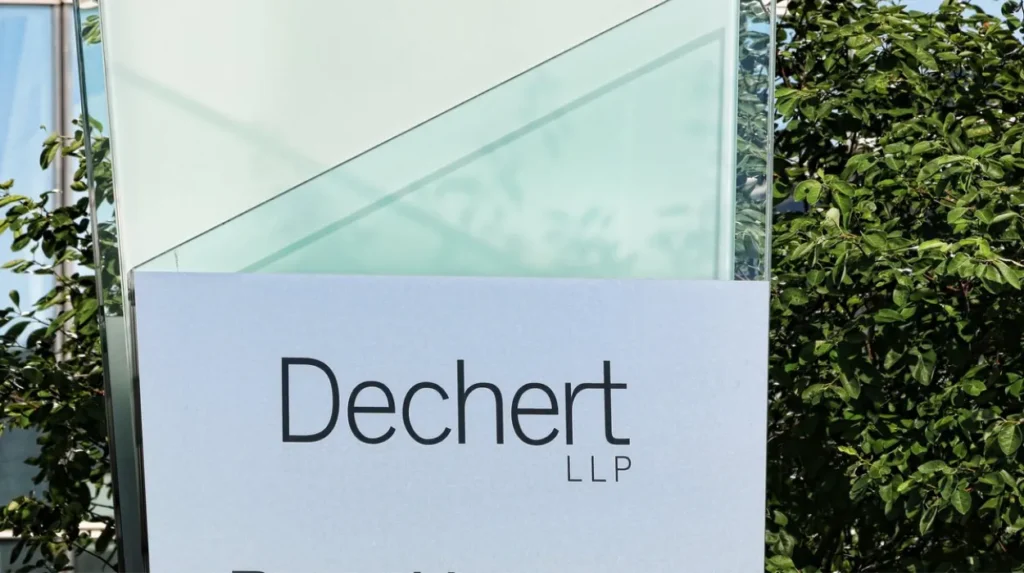
Our October 2025 investigation exposed Dechert Brussels’ longstanding role since 1968 as a legal-lobbying powerhouse, staging high-profile conferences with EU Competition Commissioners to embed narratives in competition guidance and sustainability policies while defending corporate clients in antitrust probes. This 2026 update reviews these critical findings six months later, as the firm has issued no public response, heightening alarms over opacity amid Brussels’ 14,000+ lobby organizations. Read our original article here and comprehensive report:
How Belgium Govt Undermined the Work of European Institutes.
Key Findings Recap
We detailed Dechert’s multi-pronged tactics, blending strategic litigation to dilute public-interest policies, private negotiations shaping drafts, and PR events co-opting regulators that sideline civil society while protecting elite profits under ethical veneers like farmer wages. The firm influences high-stakes investigations as both complainant and defender, weakening regulatory enforcement and creating uneven fields favoring corporate dominance over market fairness or environmental welfare.
Transparency and Accountability Concerns
Dechert’s covert operations distort EU policymaking, where gatekeeping filters elite interests through informal channels and Belgium’s host privileges, compromising institutional integrity and uniform law application. This fosters policy capture in competition and sustainability realms, marginalizing public voices and eroding democratic legitimacy as national biases intersect with corporate sway, prioritizing private gains over equitable governance for Europeans.
Absence of Response as Public Interest Issue
No public response or clarification has been issued by Dechert Brussels since our October 2025 report. This enduring silence obscures their event-driven influences, litigation delays, and policy embeddings, denying scrutiny of decision distortions. In a disclosure-dependent framework, such non-engagement exemplifies accountability failures, pressing for enforced reforms.
Ongoing Review and Campaign Context
Brussels Watch is continuing its 2026 campaign monitoring lobbying hybrids’ regulatory dilutions in EU institutions, tracking antitrust campaigns, conference tactics, and host-state intersections comprehensively. We document civil exclusions and enforcement weakenings across sectors. Updates will follow if Dechert responds or new developments arise.
Closing Section
Accountability in EU policymaking requires transparency from influence gatekeepers. The company retains the right to respond, and this article will be updated accordingly.