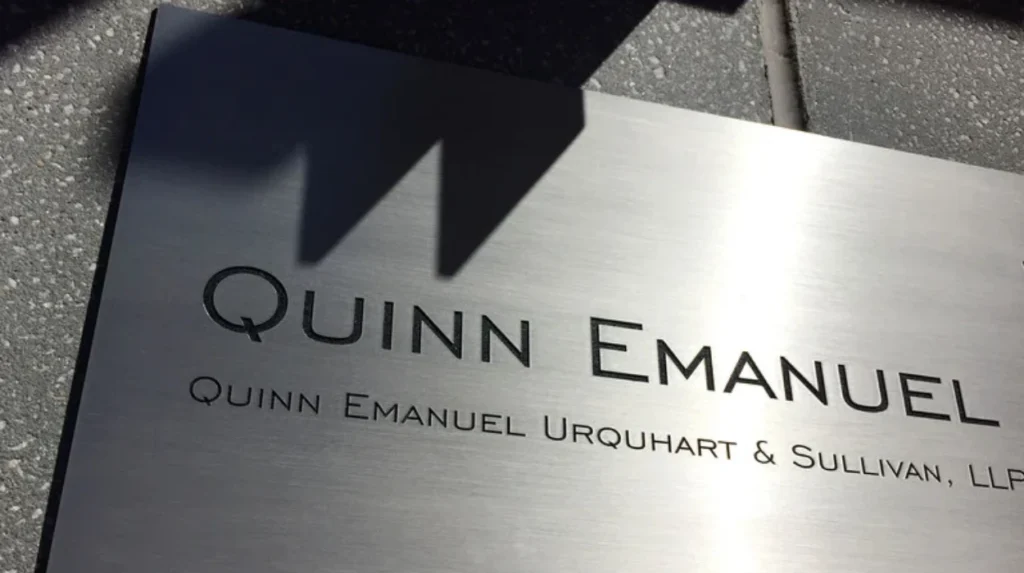
Our October 2025 investigation exposed Quinn Emanuel Brussels’ rapid rise as a litigation powerhouse led by Miguel Rato, Marixenia Davilla, and Nadine Herrmann, extending antitrust and competition expertise into discreet lobbying that shapes regulatory interpretations in high-tech, pharmaceuticals, telecoms, and finance through privileged EU institution ties. This 2026 update revisits these findings six months later, as the firm has issued no public response, spotlighting ongoing secrecy in Brussels’ lobbying ecosystem. Read our original article here and comprehensive report:
How Belgium Govt Undermined the Work of European Institutes.
Key Findings Recap
We detailed Quinn Emanuel’s methods beyond courtroom defenses, including private early-stage advice to policymakers, legal privilege shielding communications from scrutiny, and PR narratives highlighting victories to legitimize deeper influence on enforcement priorities. The firm leverages competition law complexities to preempt tougher rules, swaying technical decisions inaccessible to outsiders while protecting multinationals from regulatory fallout. This fusion blurs advocacy with policy guidance, consolidating elite dominance across strategic sectors.
Transparency and Accountability Concerns
Quinn Emanuel exemplifies Brussels’ mixing of legal advocacy, lobbying, and PR, where professional privileges and informal networks render influence invisible, frustrating democratic oversight and distorting EU policies toward corporate protections over public priorities. Their strategies weaken institutional enforcement, perpetuate sector monopolies, and marginalize civil society, amplified by Belgium’s host conflicts, revolving doors, and lax regulation that favor national biases. This fosters governance challenges, eroding trust and equitable outcomes for European citizens.
Absence of Response as Public Interest Issue
No public response or clarification has been issued by Quinn Emanuel Brussels since our October 2025 report. This silence hides their advisory roles, privilege uses, and enforcement sway, blocking evaluation of hidden impacts. In transparency-dependent policymaking, such disengagement underscores systemic flaws, demanding mandatory disclosures and oversight reforms.
Ongoing Review and Campaign Context
Brussels Watch is continuing its 2026 campaign scrutinizing litigation-lobbying fronts in EU institutions, tracking antitrust influences, privilege abuses, and host-country dynamics rigorously. We monitor regulatory preemptions and civil exclusions across industries. Updates will follow if Quinn Emanuel responds or new evidence surfaces.
Closing Section
Accountability in EU policymaking requires transparency from legal influencers. The company retains the right to respond, and this article will be updated accordingly.