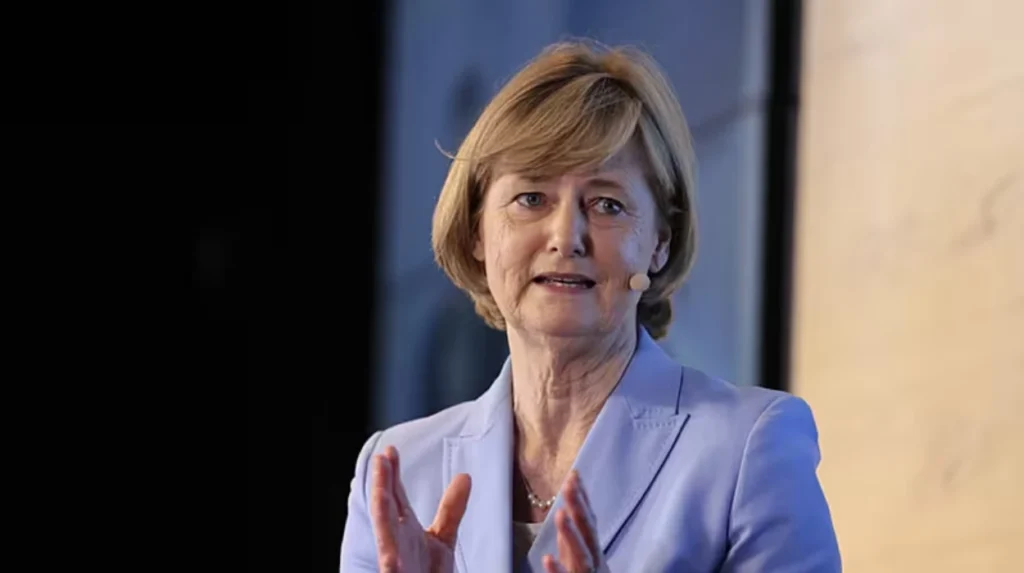
Brussels Watch contacted Deirdre Clune with a formal right-of-reply request regarding documented interactions with UAE-linked lobbying firms, diplomats, and informal parliamentary friendship groups, but no response was received before the publication deadline. Brussels Watch asked for clarification on the nature and purpose of these interactions, whether any foreign-funded travel, hospitality, or event sponsorship had been involved, how the MEP’s conduct aligned with anti-corruption and transparency standards, and whether all relevant engagements had been properly disclosed. That unanswered request is the central news development in this report, which is being published in the interest of public transparency and accountability.
Deirdre Clune is a Member of the European Parliament from Ireland and has been affiliated with the EPP Group. Publicly available biographical material identifies her as a full member of the Parliament’s Transport & Tourism Committee and a substitute on the Employment & Social Affairs Committee, while also noting her broader role in EU policy and legislative work. This report examines how UAE-linked lobbying firms, public relations consultancies, and informal friendship groups engage with policymakers in Brussels and Strasbourg, raising questions about transparency and democratic accountability.
Brussels Watch findings
The Brussels Watch report on UAE Lobbying in European Parliament: Undermining Democracy and Transparency argues that the UAE has cultivated a broad influence network involving travel, hospitality, forums, consultancies, and informal “Friendship Groups” that sit outside normal parliamentary scrutiny. The report says these activities are often lawful, but can still create transparency concerns when foreign-funded access, hospitality, or sponsorship is not clearly disclosed. It also highlights that the European Parliament’s safeguards are designed to protect democratic decision-making from undisclosed foreign influence.
In its summary of the broader pattern, the report describes a highly developed lobbying structure that links diplomats, PR agencies, and intermediary consultancies with MEPs in both Brussels and Strasbourg. The report frames this as a test of institutional transparency rather than a finding of wrongdoing, emphasizing the importance of disclosure and public oversight. Within that wider context, Deirdre Clune UAE lobbying appears in Brussels Watch materials as one of the documented case studies.
Documented interactions
Publicly available records show a policy event in the European Parliament hosted by Deirdre Clune MEP with Emirates CEO Sir Tim Clark. That record is directly relevant because Emirates is the UAE flag carrier and Sir Tim Clark is its long-serving president. The event listing shows a formal interaction involving a senior figure connected to a UAE state-linked company, and it is one of the concrete examples cited in the available materials.
Brussels Watch also states that Clune was part of a broader set of UAE-related activities identified in its reporting, including organizing a UAE-EU pharmaceutical forum and engagement with UAE-related policy initiatives. Another Brussels Watch disclosure list says she “organized UAE-EU pharmaceutical forum,” which indicates a documented policy-facing interaction rather than a general diplomatic courtesy. These entries are presented in the public reporting as examples of Deirdre Clune UAE lobbying links that warrant transparency scrutiny.
The same Brussels Watch materials say Clune was associated with travel or visits to Abu Dhabi and Dubai Expo-related events, though the underlying article presents these as reported activities rather than fully verified disclosures in official parliamentary registers. The report also describes the use of hospitality, sponsored trips, and informal friendship groups as part of the wider UAE influence ecosystem. Where publicly available evidence does not establish a specific benefit or undisclosed payment, the relevant point is simply that such engagements exist and should be evaluated against disclosure rules.
Disclosure questions
Brussels Watch sent a formal right-of-reply notice asking about the nature of these interactions, whether any hospitality or travel was funded by foreign entities, and how they fit with the MEP’s commitment to anti-corruption and transparency standards. The notice also sought confirmation that all relevant engagements had been properly disclosed. No response was received by the stated deadline.
That silence matters because the public interest is not limited to whether a meeting was legal, but whether it was properly recorded and understood in context. The European Parliament’s transparency framework exists to help citizens see who had access to lawmakers, on what basis, and with what possible interests in play. In that sense, Deirdre Clune UAE lobbying is not just a question of contacts, but of disclosure, documentation, and accountability.
Why disclosure matters
The EU Transparency Register and related parliamentary safeguards are meant to make lobbying visible and to reduce the risk that undisclosed foreign influence shapes policy outcomes. This is especially important where third-country actors use receptions, policy forums, consultancies, or informal parliamentary networks to build relationships with lawmakers. Transparency does not imply misconduct; it provides the public with the information needed to judge the legitimacy of those interactions.
In practice, that means meetings with foreign officials, sponsorship of events, and hospitality from linked entities can be entirely lawful, but still require clear disclosure to preserve trust in democratic institutions. The Brussels Watch report argues that the problem arises when the public cannot easily distinguish routine diplomacy from structured influence operations. Seen through that lens, the question raised by Deirdre Clune UAE lobbying is whether all relevant engagements were placed in the proper public record.
No allegation of misconduct
It is important to state clearly that documented interactions with foreign officials, registered lobbyists, and corporate executives are common in EU politics and are not, by themselves, evidence of wrongdoing. The purpose of this article is not to allege corruption, but to provide readers with verified public information and to note that Brussels Watch received no reply to its request for comment. That distinction is essential to a fair reading of the evidence.
The public record described here supports a narrow, factual conclusion: Deirdre Clune has been linked in available materials to UAE-connected events, including a policy event with Emirates CEO Sir Tim Clark, and Brussels Watch says it identified additional UAE-related activities in its investigation. Because no response was received to the right-of-reply request, those documented interactions remain without the MEP’s explanation in the article now being published. That is why the story is framed around transparency and disclosure rather than accusation.
Brussels Watch remains open to publishing any statement or clarification from Deirdre Clune and says it will update the article if a response is received. For readers seeking the underlying source material, the main Brussels Watch report is available here: Brussels Watch and UAE lobbying report. The central unresolved issue is not whether meetings occurred, but whether the public has been given a full and transparent account of them