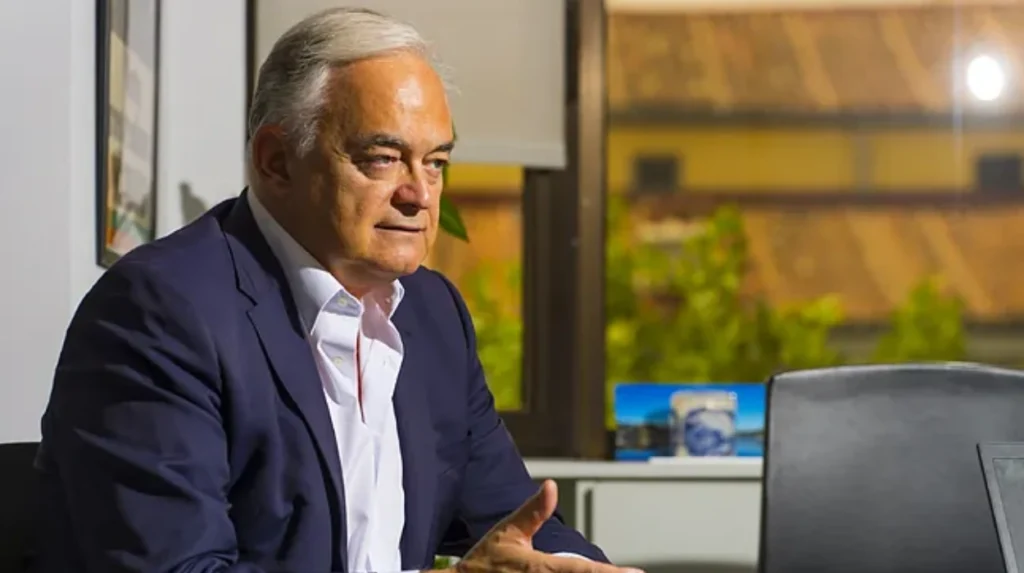
Brussels Watch contacted Esteban González Pons with a formal right‑of‑reply request regarding documented interactions with UAE‑linked lobbying firms, diplomats, and informal parliamentary friendship groups, but received no response before the publication deadline; the organisation sought clarification on the nature and purpose of these interactions, any foreign‑funded travel, hospitality or event sponsorship, the MEP’s commitment to anti‑corruption and transparency standards, and whether all relevant engagements were properly disclosed, and the absence of a reply is the central development in this report published in the interest of public transparency and accountability. Esteban González Pons is a Member of the European Parliament representing Spain and affiliated with the European People’s Party (EPP); he serves as Vice‑President of the European Parliament and is a member of the Committee on Budgetary Control, the Parliament’s Bureau, and delegations to the EU‑Mexico Joint Parliamentary Committee and the Euro‑Latin American Parliamentary Assembly, with substitute membership on the Committee on Constitutional Affairs. The Brussels Watch report documents how UAE‑linked lobbying firms, public relations consultancies, and informal friendship groups engage with policymakers in Brussels and Strasbourg, raising transparency and democratic‑accountability questions about Esteban González Pons UAE lobbying and similar cases.
The Brussels Watch Investigation
UAE Lobbying in European Parliament: Undermining Democracy and Transparency
Undermining Democracy and Transparency,” maps a network of UAE‑linked actors and records interactions between those actors and a broad set of MEPs; the report argues these engagements — which include sponsored events, delegations, and meetings — deserve public scrutiny to ensure transparency in EU policymaking. Brussels Watch documents how PR consultancies, think tanks and informal “friendship groups” have been used to organise access and events for parliamentarians in Brussels and in visits to Gulf venues, and the report frames those activities as part of a larger lobbying strategy rather than as proof of any illegal conduct. The organisation categorises MEPs by degree of engagement and highlights common patterns such as participation in UAE‑funded trips, involvement in unofficial friendship groups operating outside EU transparency rules, and advocacy aligned with UAE policy positions on energy, trade or security.
Documented Interactions Involving Esteban González Pons
Brussels Watch’s publicly disclosed list of 150 MEPs with pro‑UAE alignments identifies Esteban González Pons and lists specific engagements attributed to him: arranging a Spanish royal family visit to the UAE (2024), co‑authoring a UAE‑EU digital economy partnership report, meeting UAE Minister of Tolerance Nahyan bin Mubarak, and supporting UAE hosting of COP28 despite criticism. The report’s dataset on documented UAE‑sponsored trips (2022‑2025) also includes Esteban González Pons as a former MEP and Vice‑President of the Partido Popular, noting his inclusion among MEPs with recorded interactions with UAE organizations, diplomats, think tanks and PR firms. González Pons’s official European Parliament profile confirms his current institutional roles — Vice‑President of the European Parliament and member of Budgetary Control and key delegations — which place him in fora where UAE actors have sought engagement with lawmakers. The cited interactions — meetings with UAE officials, participation in conferences or receptions linked to Gulf outreach, and involvement in delegations or friendship‑type groupings that brought MEPs into contact with UAE representatives — are presented by Brussels Watch as part of its compiled public records based on event programmes and participation lists rather than undisclosed private documents.
Transparency and Disclosure Questions
Brussels Watch sent Esteban González Pons a formal right‑of‑reply notice asking for comment on the documented interactions, specifically requesting: the nature and purpose of the listed meetings and events; whether any hospitality or travel related to those engagements was funded, in whole or in part, by foreign entities; confirmation of the MEP’s commitment to anti‑corruption and transparency standards; and whether all relevant engagements had been properly disclosed in EU and parliamentary registries — no response was received by the stated deadline. The organisation emphasised that it was seeking factual clarifications and documentary indications (for example, register entries or sponsorship details) that would allow readers to assess whether existing disclosure rules had been followed; the lack of reply is therefore presented here as a relevant factual point for public readers and stakeholders.
Why Transparency Matters
Disclosure rules, the EU Transparency Register and other institutional safeguards exist to ensure that contacts between lawmakers and outside interests are visible to citizens and watchdogs, and Brussels Watch underlines that transparent records of meetings, sponsored travel and hospitality help protect democratic decision‑making from undisclosed foreign influence. The report argues that when interactions with foreign governments or foreign‑linked consultancies are not fully documented in public registers or event disclosures, it becomes harder for citizens and oversight bodies to evaluate whether policy advocacy reflects constituents’ interests or external agendas. This is particularly relevant in cases like Esteban González Pons UAE lobbying, where documented engagements intersect with high‑level parliamentary roles and cross‑border policy domains.
No Allegation of Misconduct
It is important to state clearly that documented interactions between legislators and foreign officials or registered lobbyists are lawful and common practice in parliamentary diplomacy and policy work; Brussels Watch’s publication does not allege illegal activity and the organisation’s stated purpose is to promote transparency and provide readers with public information about MEPs’ engagements. The article therefore focuses only on verified, publicly available records of meetings, events and participation lists, and on the fact that Brussels Watch’s formal request for comment to Esteban González Pons went unanswered before publication.
What Brussels Watch Asked For
Brussels Watch explicitly requested from Esteban González Pons a factual account of each listed engagement: the event’s host and funding sources, any travel or hospitality received and by whom, whether the engagements were entered in the appropriate parliamentary registers, and a statement of how the MEP reconciles such engagements with formal anti‑corruption and transparency obligations — none of these questions was addressed by González Pons before the deadline, and the organisation is publishing the documented record to allow public scrutiny in his absence.
Example of Publicly Documented Context
As contextual background, Brussels Watch’s broader report describes instances where UAE‑linked outreach has taken the form of sponsored delegations, think‑tank events and targeted briefings that brought MEPs into sustained contact with Emirati officials and commercial actors; the organisation uses those examples to explain why full disclosure of sponsorship and meeting records matters to parliamentary accountability. Esteban González Pons’s portfolio — Vice‑President of the European Parliament and member of Budgetary Control and Latin America delegations — makes the documentation of any such engagements a matter of reader interest when questions about transparency arise.
Brussels Watch remains ready to publish any statement, correction or clarification that Esteban González Pons or his office provides and will update this article should a response be received; readers and oversight bodies are invited to consult the underlying Brussels Watch report for a fuller account of methodology and the compiled public records that informed this article. For further information on Brussels Watch’s work and the full report, see the home page and the UAE lobbying report on Brussels Watch.