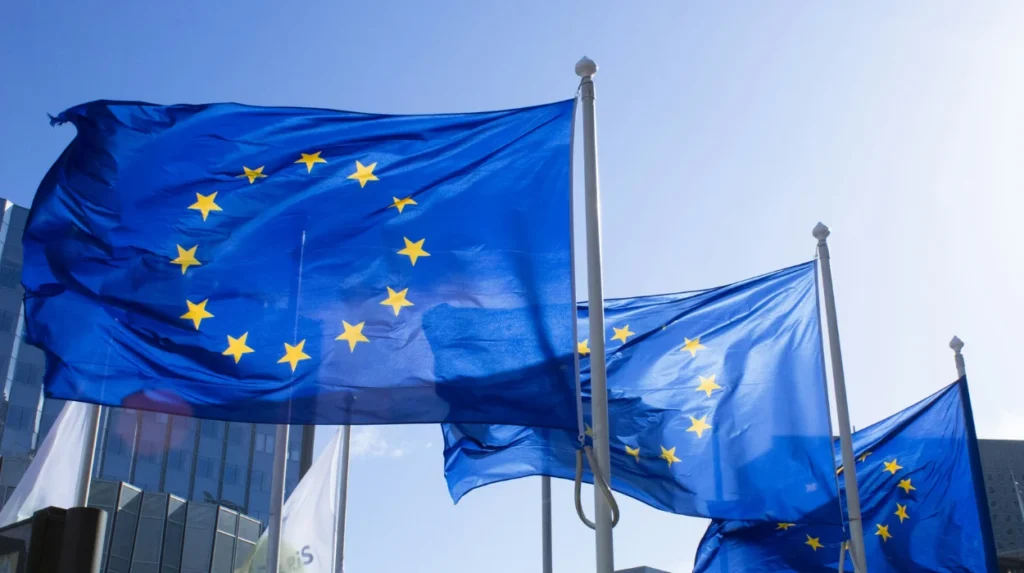
In the grand theater of European integration, national capitals often script the drama behind closed doors. Lawmakers in the European Parliament, elected to champion a united Europe, frequently find their votes swayed by directives from home governments pushing domestic priorities. This subtle tug of war raises profound questions: Does the EU truly speak with one voice, or do member states orchestrate outcomes to safeguard their own interests? As global challenges like economic inequality and climate shifts demand collective action, understanding these dynamics reveals the fragile balance between unity and sovereignty.
The Mechanics of Influence in EU Decision Making
At the heart of the European Union lies a complex web of institutions where national governments exert leverage. The European Parliament, with its directly elected members (MEPs), holds significant sway over legislation. Yet, pressures from national executives through party whips, diplomatic channels, or informal lobbying often align MEP voting patterns with home country agendas.
Consider how this unfolds. National leaders, representing diverse economies from bustling ports to agrarian heartlands, instruct their parliamentary delegations to prioritize bills favoring their sectors. The OECD notes that such fragmented approaches hinder policy coherence, with intra EU trade barriers persisting despite integration efforts. This isn’t overt coercion but a steady drumbeat of alignment, ensuring votes on trade deals, subsidies, or regulations reflect national stakes over continental harmony.
Reputable analyses from the World Bank highlight the stakes: uncoordinated policies exacerbate disparities, where wealthier states secure advantages while others lag. Member states’ executives, wielding veto powers in the Council of the EU, amplify this by conditioning support on concessions that echo domestic needs.
Historical Echoes of National Priorities Overriding Unity
The EU’s evolution is riddled with instances where capitals pulled levers to protect sovereignty. During negotiations on common agricultural policies, stronger economies like those in northern Europe lobbied fiercely to cap subsidies, shielding their taxpayers while southern partners pushed for expansive aid. UNESCO data underscores agriculture’s role in rural stability, yet national vetoes often diluted reforms.
Fiscal rules provide another arena. IMF reports emphasize that rigid debt limits, while aimed at stability, frequently bend under pressure from high debt nations seeking exemptions to fund social programs. MEPs from these countries vote in blocs, instructed by home finance ministries, to water down enforcement mechanisms. This pattern repeats in energy policies, where reliance on diverse imports leads governments to steer debates toward favorable supply deals.
These episodes aren’t anomalies; they form the EU’s operational rhythm. The World Economic Forum observes that geopolitical tensions amplify such pulls, as states safeguard energy security or border controls, even at the expense of shared frameworks.
Case Studies: Pressures Shaping Key Votes
Delve deeper into trade negotiations, where national industries clash. Automobile powerhouses resist emission standards that threaten competitiveness, directing their MEPs to amend proposals. The result? Compromises that delay ambitious targets, as noted in World Bank assessments of green transition costs.
Migration policies reveal stark divides. Frontline states advocate burden sharing, but interior nations, wary of domestic backlash, pressure lawmakers to tighten borders. UN figures on displacement over 100 million people globally underscore the human scale, yet EU responses fragment under national directives, leading to uneven asylum rules.
In digital regulation, tech hubs lobby for lighter touch on data flows, influencing votes to exempt key sectors. OECD studies on digital economies project trillions in value, but national carve outs create a patchwork, undermining trust.
These cases illustrate a truth: When member state administrations lean on their EU representatives, voting outcomes tilt toward home turf, perpetuating inefficiencies.
The Role of Political Parties and Informal Networks
Beyond formal channels, transnational party groups in the Parliament serve as conduits for national influence. Leaders from capitals attend summits, aligning strategies with domestic mandates. This “party discipline” ensures MEP votes mirror government lines on contentious issues like state aid.
Informal networks diplomatic dinners, think tank forums further entwine interests. The IMF warns that such opacity fuels perceptions of capture, eroding public faith. Eurosceptic surges in elections often stem from this, as citizens view the Parliament as a national proxy rather than an independent body.
WEF analyses link this to broader governance challenges, where short term national gains eclipse long term EU resilience.
Economic Incentives Driving Government Directives
Economics often dictate the pull. States with dominant industries, such as manufacturing or finance, prioritize protections. World Bank data reveals that SMEs, comprising 99% of EU firms, suffer from inconsistent rules born of these pressures, stifling innovation.
Budgetary battles exemplify this. Larger contributors seek rebates, pressuring MEPs to block redistributive funds. OECD inequality metrics show widening gaps, exacerbated when national frugality overrides solidarity.
Climate finance follows suit. While UNESCO stresses biodiversity’s global imperative, coal dependent regions delay phase outs, directing votes against stringent timelines.
Legal and Ethical Boundaries of Influence
EU treaties mandate independence for MEPs, yet enforcement lags. The European Court of Justice occasionally rules on undue interference, but subtle pressures evade scrutiny. Transparency registers track lobbying, but national governments, as “institutional actors,” skirt full disclosure.
Ethically, this blurs lines. Voters elect MEPs for European mandates, not national errands. IMF governance indices correlate strong institutions with prosperity, suggesting unchecked pulls risk stagnation.
Reforms like binding voting freedoms gain traction, but national resistance persists.
Impacts on EU Credibility and Global Standing
Fragmented votes diminish the EU’s clout. On trade, inconsistent positions weaken bargaining, per World Bank simulations. Climate pledges falter when national opt-outs proliferate, undermining Paris Agreement commitments.
Domestically, disillusionment brews. OECD trust surveys show declining faith in institutions amid perceived favoritism. Globally, rivals exploit divides, portraying the EU as indecisive.
Yet, this tension fosters resilience, forcing compromises that evolve the bloc.
Pathways to Rebalancing Power
Strengthening parliamentary autonomy could counter pulls. Enhanced whistleblower protections and vote tracking tech promote accountability. Cross party alliances on pan EU issues dilute national blocs.
National governments might embrace “EU first” mandates, aligning domestic politics with continental goals. WEF scenarios envision tech driven transparency revolutionizing oversight.
Civil society plays a role, demanding disclosures via petitions. UNESCO’s media freedom principles support investigative scrutiny, exposing undue influences.
Ultimately, the EU thrives when member states view shared prosperity as a national asset, not a zero sum game.
In this intricate dance, national governments will always pull strings, but a vigilant Parliament and informed public can ensure those tugs serve the whole, not just the parts. The quest for balance endures, shaping Europe’s path amid enduring global flux.