In the heart of European democracy, political alliances within the European Parliament orchestrate the continent’s legislative future. These coalitions, often called political groups in the EP or party groups in the EU, unite lawmakers from diverse nations under shared ideologies. Far from mere clubs, they enforce group discipline to channel national voices into unified policies on trade, climate, and security. Understanding their inner workings reveals how 27 member states harmonize or clash on issues affecting 450 million citizens. This exploration demystifies their structure, power dynamics, and enduring influence.
The Foundations of Parliamentary Coalitions
Once formed, these alliances allocate seats on influential committees, like those on foreign affairs or budgets, based on their size. Larger groups command more rapporteurs key roles drafting reports that shape laws. According to the OECD, effective parliamentary groupings enhance policy coherence, with EU groups influencing over 60% of directives that member states must implement.
Political groups in the EP form the backbone of parliamentary operations, grouping members elected from national parties with aligned visions. To qualify, a group needs at least 23 lawmakers from at least seven member states, ensuring broad geographic representation. This threshold prevents dominance by larger nations and fosters pan European collaboration.
Group discipline binds members to vote collectively on major issues, amplifying their voice. Breaches are rare but can trigger sanctions, from denied committee spots to expulsion. This mechanism transforms fragmented national interests into bloc power, much like party whips in national legislatures.
Major Players and Their Ideological Core
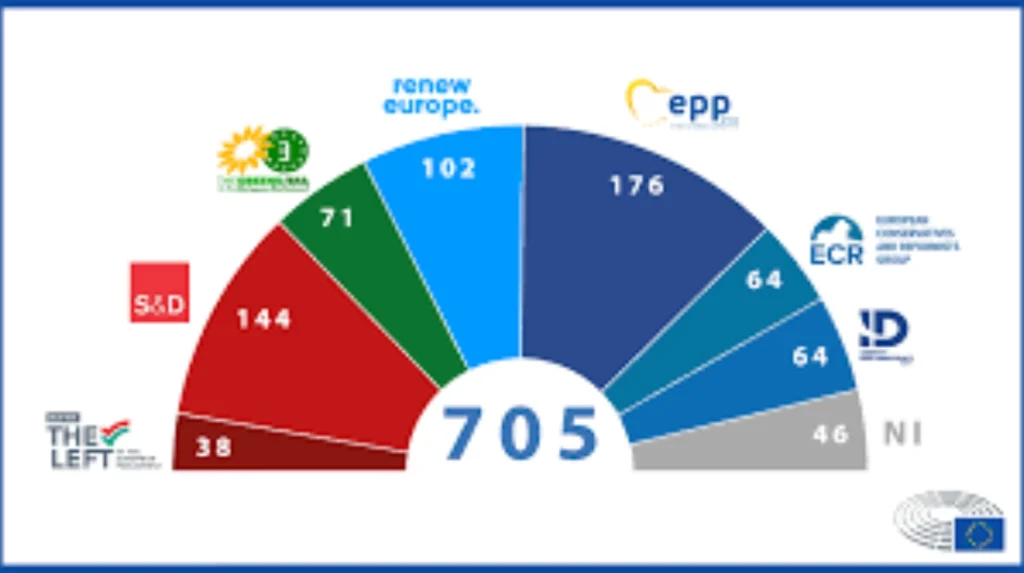
The European Parliament hosts seven primary political groups, each embodying distinct philosophies that evolve with voter priorities.
- The Center Right Powerhouse: Centrist conservative alliances, often led by the European People’s Party (EPP), prioritize market freedoms and fiscal prudence. They draw from Christian democrats and liberals across Germany, Spain, and Poland, advocating balanced budgets amid economic pressures.
- Progressive Social Democrats: The Progressive Alliance of Socialists and Democrats (S&D) champions workers’ rights and social welfare. Representing labor traditions from France, Italy, and Sweden, they push for minimum wages and gender equality, countering inequality flagged by the World Bank as persistent in Europe.
- Liberal Reformers: Renew Europe unites pro business centrists favoring innovation and EU integration. Members from the Netherlands, France, and Romania emphasize digital single markets and anti corruption measures.
- Greens and Regionalists: The Greens/European Free Alliance blends environmentalism with minority rights advocacy. Strong in Nordic countries and Belgium, they drive climate agendas, aligning with UNESCO’s warnings on biodiversity loss.
- Conservative Euroskeptics: The European Conservatives and Reformists (ECR) and Identity and Democracy (ID) groups critique overreach, focusing on sovereignty and migration control. They hail from the UK (pre Brexit), Italy, and Hungary.
Smaller formations, like the Left and non attached members, add niche voices on pacifism or populism. These groups shift with elections but maintain ideological anchors, ensuring timeless relevance.
Group Discipline: The Glue of Collective Action
Group discipline stands as the linchpin of these alliances, compelling members to align votes on plenary sessions. Leaders issue voting lists, signaling expectations on 90% of roll calls, per parliamentary records. This unity boosts bargaining power in trilogues negotiations with the Council and Commission.
Defiance occurs over national red lines, like agriculture subsidies for French S&D members or migration for Italian ID lawmakers. Penalties range from verbal rebukes to barring future leadership bids. The IMF notes that disciplined parliamentary blocs correlate with stable economic governance, as seen in EU fiscal pacts.
Whips enforce loyalty through persuasion, offering committee perks or campaign aid. Digital tools now track voting patterns, enhancing accountability. Yet flexibility exists: “technical groups” allow conscience votes on bioethics or foreign policy, preserving member autonomy.
Decision Making Machinery Within Groups
Internal processes mirror corporate boards, blending democracy with efficiency. Weekly meetings in Brussels or Strasbourg see bureau elections and policy coordination. Political group leaders, akin to party chairs, chair the Conference of Presidents, setting the plenary agenda.
Strategy groups craft positions on dossiers, consulting national delegates. Voting instructions emerge from majority consensus, often after heated debates. The World Economic Forum highlights how such structured deliberation in multinational bodies like the EP models effective global governance.
Coalitions form transiently for absolute majorities, like EPP S&D renew pacts on budgets. These “grand coalitions” pass 70% of legislation, underscoring pragmatic alliances over ideology.
Power Dynamics and Influence Tactics
Size dictates clout: the largest political groups control plenary speaking time and amendments. They lobby via shadow rapporteurs, influencing drafts pre vote. Access to Commission experts bolsters their research edge.
Smaller groups punch above weight through amendments or alliances. Greens excel in environmental riders, while ECR leverages veto threats on justice files. According to the UN, diverse parliamentary coalitions mitigate policy blind spots, fostering inclusive outcomes.
Influence extends beyond votes to public narratives. Groups fund think tanks and media campaigns, shaping voter perceptions. Transparency rules mandate donation disclosures, curbing undue sway.
Challenges Facing Political Alliances
Fragmentation tests these groups amid rising nationalism. Euroskeptic gains dilute center majorities, complicating consensus. Multilingual coordination demands simultaneous translation and cultural sensitivity.
Post Brexit, the EP lost UK Conservatives, reshaping balances. Pandemic recovery and energy crises expose fault lines, with East West divides on rule of law funds.
Corruption scandals erode trust; the EU’s anti fraud office reports ongoing probes into lobbying ties. Groups counter with ethics codes, but enforcement varies.
Global shocks, from IMF noted debt pressures to WEF climate risks, demand adaptive discipline. Hybrid threats like disinformation challenge unity, prompting joint task forces.
The Broader Impact on EU Governance
These parliamentary coalitions ripple through the EU’s ecosystem. They amend Commission proposals, forcing evidence based tweaks over 80% of laws originate here. Veto power on trade deals empowers them globally.
Integration deepens via group led initiatives, like the digital services act harmonizing online rules. OECD data links strong EP groups to higher member state compliance rates, enhancing economic convergence.
Nationally, they align domestic parties, influencing elections. Leaders like EPP’s Manfred Weber embody transnational clout, bridging capitals.
Navigating Alliances in a Multipolar World
Political groups in the EP exemplify how disciplined coalitions forge unity from diversity. By enforcing voting alignment and strategic pacts, they propel Europe’s agenda on prosperity and sustainability. As challenges like inequality highlighted by the World Bank and climate urgency persist, their adaptability ensures resilience. Observers worldwide study this model for supranational legislatures, proving ideological bonds can transcend borders.