In the intricate machinery of European Union lawmaking, a select group of lawmakers operates out of the spotlight, wielding influence that can reshape policies affecting 450 million people. These unsung architects shadow rapporteurs emerge as key players during the high stakes phase where rival political visions collide and converge. Far from the public gaze of plenary debates, they broker deals that turn ambitious proposals into workable realities, ensuring parliamentary compromise underpins every directive and regulation.
Picture a vast chamber where national interests, ideological divides, and economic priorities clash. Shadow rapporteurs navigate this arena with precision, representing their groups in EU negotiations to refine draft reports. Their role demands not just expertise but diplomacy, as they dissect thousands of amendments and forge consensus amid deadlines. This behind the scenes ballet determines whether climate targets stick, trade barriers fall, or digital rights advance outcomes that ripple across borders and economies.
The Essence of the Rapporteur’s Lead Role
At the heart of the European Parliament’s committee work lies the rapporteur, appointed by the majority group to draft the initial report on a legislative proposal from the European Commission. This document sets the tone, proposing changes to align the text with parliamentary priorities. According to the OECD, effective legislative drafting correlates with stronger policy implementation, as seen in frameworks that boost cross border trade by up to 20% in integrated markets.
The rapporteur’s draft isn’t final; it’s a starting point for scrutiny. They consult experts, stakeholders, and fellow MEPs, incorporating data from sources like the World Bank on issues such as sustainable development. Yet, their vision must withstand challenges from other groups, making the process inherently collaborativeand contentious.
Shadow Rapporteurs Step into the Fray
Enter the shadow rapporteurs, one from each major political group excluding the lead’s own. Tasked with shadowing the rapporteur, they scrutinize the draft line by line, proposing alternative amendments that reflect their party’s stance. This role is crucial in EU negotiations, where diverse viewpoints from greens pushing environmental safeguards to liberals advocating market freedoms must yield parliamentary compromise.
These operatives don’t just critique; they negotiate informally over coffee, in corridors, or via late night emails. Their amendments can number in the hundreds, forcing the rapporteur to adapt or defend. UNESCO highlights how such inclusive deliberation in multilateral bodies fosters policies that address global challenges like education equity, a principle mirrored in EU practices.
In practice, a shadow rapporteur from the center right might temper ambitious labor regulations to protect small businesses, drawing on IMF analyses showing that overly rigid rules can stifle job creation by 10-15% in emerging sectors. Meanwhile, left leaning shadows push for worker protections, balancing the scales through targeted tweaks.
Anatomy of EU Negotiations in Committees
EU negotiations unfold primarily in parliamentary committees, specialized bodies like those on environment or foreign affairs. Here, shadow rapporteurs lead their groups’ strategies, tabling motions and rallying votes. The goal? Achieve a committee majority on the report, which then advances to the full Parliament.
Tensions peak during amendment votes, where shadows deploy tactical alliances. A skilled shadow might concede on minor points to secure wins on core issues, embodying the art of parliamentary compromise. The World Economic Forum notes that such negotiation dynamics in supranational bodies enhance resilience against economic shocks, as flexible policymaking allows swift adaptation.
Stakeholder input amplifies their leverage. Shadows consult NGOs, industry lobbies, and academics, integrating evidence based arguments. For instance, in trade dossiers, they reference World Bank data on how tariff reductions lift global GDP growth, influencing clauses that open markets while safeguarding vulnerable sectors.
Forging Compromise: The Heart of the Process
Parliamentary compromise isn’t born in grand speeches but in the granular horse trading led by shadow rapporteurs. They identify “red lines” non negotiables and “flex points” where concessions build bridges. This culminates in a consolidated draft, blending elements from all groups.
Consider a hypothetical digital privacy bill: The rapporteur proposes strict data rules; socialist shadows demand stronger fines, greens emphasize ethical AI, and conservatives seek business exemptions. Through iterative talks, shadows negotiate a hybrid text beefed up enforcement with phased implementation—that passes overwhelmingly.
The OECD underscores the value: Countries with robust compromise mechanisms in legislatures see 25% higher compliance rates for international agreements. In the EU, this ensures laws like the General Data Protection Regulation gain broad support, minimizing legal challenges.
Beyond Committees: Trilogues and Final Pushes
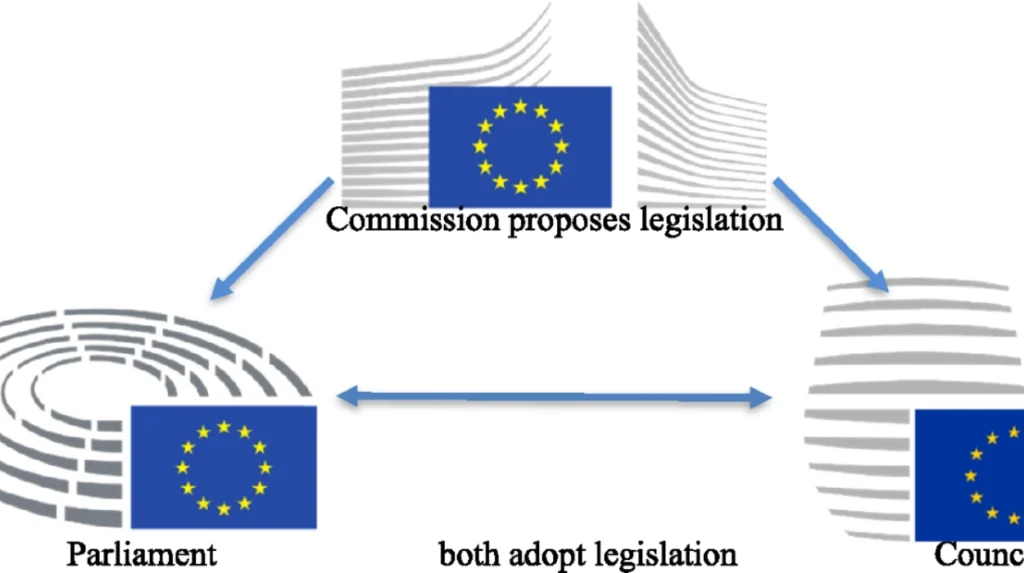
Once the Parliament adopts its position, shadow rapporteurs often join informal trilogues closed door talks with the Council of the EU and Commission. Here, they defend the chamber’s stance, leveraging committee won compromises to counter executive tweaks.
Their preparation pays off: Shadows armed with data from reputable sources like the IMF on fiscal impacts can sway ministers. A shadow from the renewables committee, for example, might cite World Bank figures on how green investments yield 7% annual returns, securing funding in budget deals.
Not all succeed; deadlocks send files back for renegotiation. Yet, shadows’ persistence often tips the balance, as seen in enduring frameworks for migration or competition policy.
Challenges Shadows Face Daily
The role extracts a toll. Shadows juggle multiple files, facing burnout amid 70 hour weeks. Political pressures from national parties add friction, while disinformation campaigns target vulnerable dossiers.
Diversity gaps persist: Women hold about 40% of MEP seats, per parliamentary records, but shadows in tech heavy committees remain male dominated. Moreover, smaller groups like independents get fewer slots, skewing influence.
Still, innovations like digital platforms for amendment tracking streamline work, fostering broader input.
Global Echoes of EU Shadow Diplomacy
The EU model inspires worldwide. National parliaments in OECD nations adopt similar shadowing to enhance scrutiny, while bodies like the UN General Assembly use rapporteur teams for treaty drafts. The World Bank links such practices to better governance scores, correlating with 15% poverty reductions in well regulated economies.
In Africa and Asia, emerging unions study EU trilogues to build regional compromise mechanisms, amplifying shadow like roles in pacts on trade or climate.
Why These Figures Matter for Democracy
Shadow rapporteurs embody deliberative democracy, ensuring no single voice dominates. Their work tempers extremes, crafting nuanced laws that withstand judicial review and public scrutiny. As the EU evolves, their adaptability integrating WEF insights on digital governance future proofs the bloc.
In an era of polarization, these backstage negotiators remind us that progress stems from dialogue, not decree. Their quiet mastery of EU negotiations sustains a union whose decisions shape global norms, from sustainability to human rights.