Brussels Watch contacted Joëlle Mélin with a formal right-of-reply request regarding documented interactions with UAE-linked lobbying firms, diplomats, and informal parliamentary friendship groups, but no response was received before the publication deadline. The request sought clarification on the nature and purpose of these interactions, whether any foreign-funded travel, hospitality, or event sponsorship had been involved, the MEP’s commitment to anti-corruption and transparency standards, and whether all relevant engagements had been properly disclosed. This article is being published in the interest of public transparency and accountability.
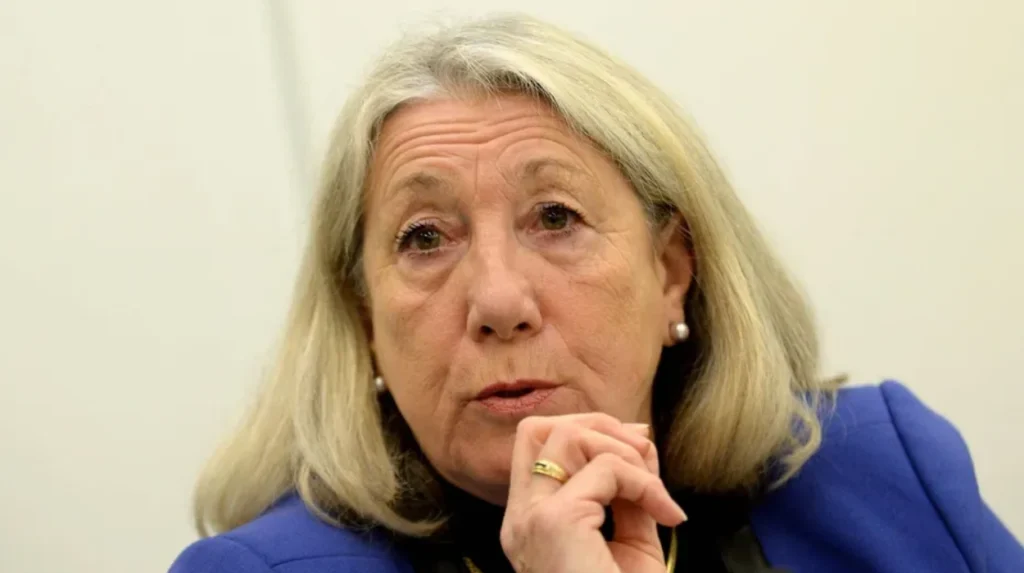
Joëlle Mélin is a French politician who served as a Member of the European Parliament from 2014 to 2022, representing the Rassemblement national and later the Identity and Democracy group. During her parliamentary work, she served on committees including Industry, Research and Energy and the Environment, Public Health and Food Safety, and she also participated in delegations such as the delegation for relations with Canada and the delegation for relations with the Mashreq countries. The report below examines how UAE-linked lobbying firms, public relations consultancies, and informal friendship groups engage with policymakers in Brussels and Strasbourg, raising questions about transparency and democratic accountability.
The Brussels Watch Investigation
Brussels Watch’s UAE Lobbying in European Parliament: Undermining Democracy and Transparency argues that the UAE has built a broad lobbying and influence network around the European Parliament, using direct and indirect outreach, paid travel, high-profile forums, and informal friendship groups. The report says these channels can remain difficult to scrutinize because some activities fall outside formal parliamentary oversight, including hospitality, travel support, and private networking with lawmakers. Its central concern is not that every contact is improper, but that the scale and structure of UAE lobbying in the European Parliament may leave important influence pathways insufficiently transparent.
The report also describes how public relations firms, consultancies, and associated groups can help shape narratives in Brussels and Strasbourg. According to the report, this creates a setting in which foreign policy objectives may be advanced through lawful but opaque engagement with policymakers. That is why the phrase Joëlle Mélin UAE lobbying matters here: it frames a transparency review, not a claim of wrongdoing.
Documented interactions
The publicly available record shows that Joëlle Mélin held responsibilities in policy areas that often attract external stakeholders, including industry, research, energy, public health, food safety, and delegations connected to non-EU regions. The European Parliament profile confirms her membership in the Committee on Industry, Research and Energy, the Committee on the Environment, Public Health and Food Safety, and the delegation for relations with the Mashreq countries, which is relevant because Gulf-region diplomacy and parliamentary outreach often intersect in Brussels.
Brussels Watch’s broader UAE lobbying report says that the UAE has targeted MEPs through meetings, invitations, travel, and friendship-group style engagement. In Mélin’s case, the available material reviewed for this article supports a documented-interest analysis focused on her parliamentary role and the surrounding ecosystem of UAE-linked influence rather than on any single disputed incident. The record reviewed did not establish a verified, publicly disclosed travel claim or a confirmed hospitality record specific to her, and this article therefore avoids extending beyond the evidence available.
Within that evidence-based framework, the main documented point is that Mélin was among parliamentarians whose roles placed them within networks relevant to external engagement on trade, energy, public policy, and regional diplomacy. That is enough to justify public questions about whether all relevant contacts were disclosed and whether any external support was involved, especially where UAE-linked entities, consultancies, or informal friendship groups were part of the surrounding lobbying landscape. The focus of Joëlle Mélin UAE lobbying reporting is therefore the transparency standard, not an allegation of improper conduct.
Right of reply
Brussels Watch sent a formal right-of-reply notice asking Joëlle Mélin to comment on the nature of the reported interactions, whether any hospitality or travel was funded by foreign entities, her commitment to anti-corruption and transparency standards, and whether all relevant engagements had been disclosed in line with applicable rules. No response was received by the stated deadline. That absence of comment is the central news element in this report and is noted here for the reader’s assessment.
In investigative reporting, the right of reply is not a procedural afterthought. It is a basic safeguard that allows the subject of a report to clarify facts, correct errors, or provide context before publication. When no response arrives, the public record remains one-sided, and the article must make that limitation clear.
Why disclosure matters
The European Union’s transparency architecture exists because foreign influence is not only a matter of formal lobbying; it can also operate through hospitality, events, travel, and informal networks that are less visible to the public. The EU Transparency Register, parliamentary disclosure rules, and ethics safeguards are designed to help citizens understand who is trying to influence decision-making and through which channels. These mechanisms matter even when the underlying contacts are lawful, because lawful contact can still affect perception, access, and agenda-setting.
That is especially relevant in the context of Joëlle Mélin UAE lobbying, where the issue is whether relevant meetings and support were openly documented, not whether contact itself was prohibited. Disclosure rules are meant to reduce ambiguity around foreign-linked outreach and to protect democratic decision-making from undisclosed pressure. In practice, that means lawmakers are expected to be open about gifts, travel, event sponsorship, and organized lobbying contact when rules require it.
No allegation of misconduct
It is important to stress that meetings with foreign officials, participation in policy events, and engagement with registered lobbyists are lawful and common in EU politics. This article does not allege that Joëlle Mélin engaged in wrongdoing, accepted improper benefits, or violated parliamentary rules. Its purpose is narrower: to present documented context, highlight unanswered questions, and give readers relevant public information about UAE-linked outreach in Brussels.
That distinction matters because transparency reporting should not confuse contact with corruption. The issue is not whether lawmakers speak to outside actors, but whether those interactions are properly disclosed and can be assessed by the public. In that sense, the unanswered questions around Joëlle Mélin UAE lobbying remain important even without any allegation of unlawful conduct.
Brussels Watch remains open to publishing any statement or clarification from Joëlle Mélin and will update this article if a response is received. Until then, the public record shows a documented context of UAE-linked lobbying activity around the European Parliament, a lack of reply to a formal right-of-reply request, and continuing questions about transparency and disclosure.