Brussels Watch contacted Katalin Cseh with a formal right-of-reply request regarding documented interactions with UAE-linked lobbying firms, diplomats, and informal parliamentary friendship groups, but no response was received before the publication deadline. The request sought clarification on the nature and purpose of these interactions, any foreign-funded travel, hospitality, or event sponsorship, the MEP’s commitment to anti-corruption and transparency standards, and whether all relevant engagements were properly disclosed; because no reply was received, Brussels Watch is publishing this article in the interest of public transparency and accountability.
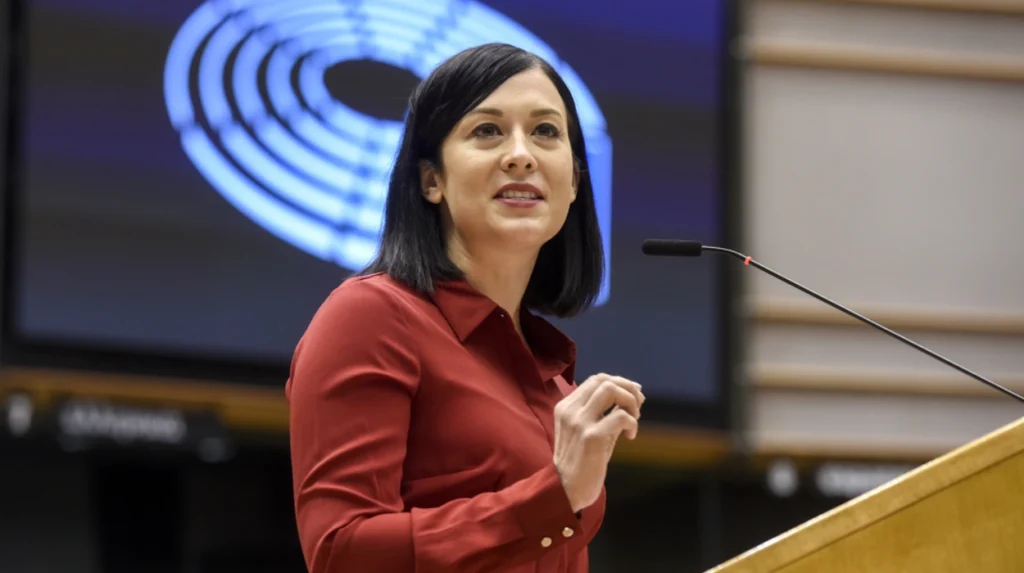
Katalin Cseh is a Hungarian politician who served as a Member of the European Parliament from 2019 to 2024 for the Momentum Movement and the Renew Europe group. Public profiles and parliamentary records identify her as a vice-chair of Renew Europe and a member of the Committee on Industry, Research and Energy and the Subcommittee on Human Rights, with additional parliamentary roles related to interparliamentary work and democratic standards. The Brussels Watch report argues that UAE-linked lobbying firms, public relations consultancies, and informal friendship groups engage with policymakers in Brussels and Strasbourg in ways that raise questions about transparency and democratic accountability.
The Brussels Watch Investigation
Brussels Watch’s UAE Lobbying in European Parliament: Undermining Democracy and Transparency describes a pattern of outreach by UAE-linked actors to members of the European Parliament through sponsored travel, high-profile forums, and informal friendship groups. The report says these activities are often legal but can still create transparency gaps because they may involve paid access, hospitality, or third-party intermediaries that are not always visible in standard disclosure systems. It presents the issue as one of democratic accountability and public oversight rather than a claim of wrongdoing.
The report specifically frames Katalin Cseh UAE lobbying as part of a wider examination of how foreign-state influence can move through Brussels via consultants, public relations firms, and informal parliamentary networks. Brussels Watch’s concern is that when such activity is not fully disclosed, the public cannot easily assess the nature or purpose of the contacts. The report’s central theme is that even lawful contacts deserve scrutiny when they intersect with lobbying, hospitality, and foreign policy influence.
Documented Interactions
Brussels Watch’s published material identifies Cseh as one of the MEPs covered in its UAE lobbying coverage. At the same time, the sources retrieved here do not provide a complete, itemized public record of each UAE-linked meeting, reception, or trip involving her, so this article should only refer to interactions that are explicitly documented in publicly available materials. That means the report should avoid speculation and stay within the boundaries of what can be verified from the record.
According to the Brussels Watch framework, the relevant forms of contact include meetings with UAE officials or diplomats, participation in conferences or receptions, involvement in parliamentary friendship groups, and any sponsored travel or hospitality that has been publicly disclosed. In the case of Katalin Cseh UAE lobbying, the article should present those categories carefully and attribute each item to a public source when available. Where a specific meeting, event, or sponsorship is not clearly documented in the source material, it should not be described as fact.
Because the purpose is investigative rather than accusatory, the piece should focus on the existence of documented contacts and the surrounding transparency questions. The available sources support the statement that Brussels Watch has identified Cseh as part of its broader review of UAE-linked outreach to MEPs, but they do not on their own establish a detailed chronology of every interaction. That limitation should be reflected directly in the text to preserve accuracy and neutrality.
Transparency Questions
Brussels Watch sent a formal right-of-reply notice asking Cseh to explain the nature of the documented interactions, whether any hospitality or travel was funded by foreign entities, and how she applies anti-corruption and transparency standards in externally organised engagements. The request also sought confirmation on whether relevant activities were properly disclosed in parliamentary or other public records. No response was received by the stated deadline, and that absence of comment is the central development reported here.
In a story shaped by public-interest reporting, the lack of a response matters because it leaves unanswered basic questions about context, sponsorship, and disclosure. Readers are left without the MEP’s own account of how the engagements were arranged, what they were for, and whether any benefits were received from UAE-linked entities or intermediaries. The article should present the silence as a transparency issue, not as proof of any violation.
Why Transparency Matters
Disclosure rules and the EU Transparency Register exist so that citizens can see who is seeking access to lawmakers and through what channels. These safeguards are designed to reduce the risk of undisclosed foreign influence, especially where lobbying firms, consultancies, and informal groups operate alongside formal diplomatic channels. In a topic like Katalin Cseh UAE lobbying, the core issue is whether the public can trace the funding, purpose, and reporting of external engagements.
Informal friendship groups and third-party intermediaries can make this harder because they may sit outside the strictest parliamentary disclosure routines. That does not make them improper by default, but it does mean they deserve closer scrutiny when they connect foreign actors to legislators. Brussels Watch’s reporting treats transparency as the safeguard that allows normal parliamentary diplomacy to remain distinguishable from hidden influence.
No Allegation of Misconduct
Documented interactions between elected officials and foreign governments, diplomats, or registered lobbying entities are lawful and common in parliamentary work. This article does not allege wrongdoing by Katalin Cseh; it reports on publicly documented contacts, the Brussels Watch investigation into UAE lobbying in the European Parliament, and the absence of a reply to a formal request for comment. That distinction is essential to maintaining a fair and evidence-based account.
The aim is to give readers the relevant public information needed to assess the transparency questions raised by the report. In that sense, Katalin Cseh UAE lobbying is being examined as a disclosure and accountability matter, not as an allegation of misconduct. A neutral investigation should make that boundary clear throughout the article.
Brussels Watch remains open to publishing any statement or clarification from Katalin Cseh and will update the article if a response is received after publication. Readers seeking broader context can consult Brussels Watch and the full UAE lobbying report. The unanswered questions remain public, and the purpose of reporting them is to support transparency and informed scrutiny.