Ukraine’s anti-corruption agencies have widened a major probe into alleged graft at state energy giant Energoatom, with investigators alleging kickbacks, embezzlement, and money laundering tied to senior figures and allies of President Volodymyr Zelensky. The scandal has already triggered ministerial resignations, a leadership shake-up in the energy sector, and fresh pressure on Zelensky as the war-hit country faces power shortages and scrutiny over public trust.
Major graft probe in energy sector
Ukraine’s latest corruption crisis centres on allegations that officials and contractors extracted illegal payments from the state nuclear operator Energoatom and related energy projects. According to Reuters, anti-corruption officials said they arrested five people and identified two more suspects in an alleged scheme involving about $100 million in kickbacks and procurement manipulation. BBC reporting said investigators described a 15-month inquiry with around 1,000 hours of audio recordings, pointing to systematic kickbacks of 10% to 15% from Energoatom contracts.
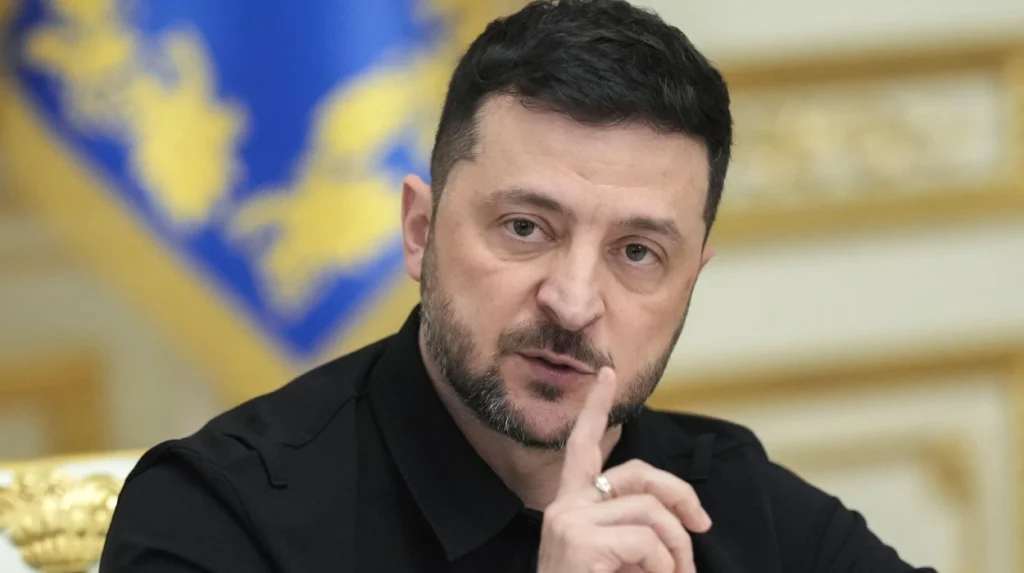
As reported by Reuters, Zelensky called corruption in the energy sector “completely intolerable” and urged the removal of senior ministers after the claims emerged. BBC likewise reported that the president ordered a full audit of state-owned energy companies and said leadership would be refreshed as part of a broader overhaul.
Ministers resign
The scandal has already cost Ukraine two cabinet ministers. BBC reported that the energy and justice ministers resigned or were pushed out after the investigation became public. Reuters said Prime Minister Yulia Svyrydenko formally asked parliament to remove Energy Minister Svitlana Hrynchuk and her predecessor, Justice Minister German Galushchenko.
According to BBC, both ministers were linked politically to the wider controversy even where direct criminal charges had not yet been laid against them. Reuters reported that one of Galushchenko’s former advisers was among the suspects named in the inquiry. The resignations underline the political damage caused by the case at a time when Ukraine remains heavily dependent on foreign military and financial support.
Names at centre
Several well-known figures have been drawn into the case. BBC reported that businessman Timur Mindich, a co-owner of Zelensky’s former TV studio Kvartal95, was among those accused and had reportedly fled the country. Reuters also identified Mindich as one of the people named by prosecutors in the investigation.
BBC said the allegations also touched other prominent officials and aides, including figures close to the presidential circle. The BBC later reported that anti-corruption agents searched the home of Andriy Yermak, Zelensky’s chief of staff, although neither Yermak nor Zelensky has been charged with any offence. Reuters reported that Yermak resigned later amid the widening probe and that some lawmakers from Zelensky’s own party had called for him to go.
How the scheme worked
According to BBC and Reuters, investigators allege that contractors working on energy infrastructure were pressured to pay bribes or kickbacks to secure or keep state contracts. BBC reported that NABU said the scheme involved laundering the proceeds and that some of the funds were moved abroad, including to Russia. Reuters said prosecutors alleged the money was channelled through an office in Kyiv connected to the family of former Ukrainian lawmaker Andriy Derkach, now a Russian senator.
The European Conservative said the same anti-corruption agencies later uncovered another alleged embezzlement case involving nearly UAH170 million at the Tashlyk hydroelectric power plant. It also reported that this newer case was connected to the earlier Energoatom scandal and to what it described as “Operation Midas”. Because the paper is strongly opinionated in tone, its claims should be read alongside the more neutral reporting from Reuters and the BBC.
Zelensky’s response
Zelensky has tried to contain the fallout by promising action. BBC reported that he said state-owned energy firms would undergo a comprehensive audit and that Energoatom would get a new supervisory board within a week. He also called for reforms at Ukrhydroenergo, Naftogaz, and the Gas Transmission System Operator.
Reuters reported that Zelensky publicly backed the anti-corruption work and said graft in the sector was unacceptable. BBC added that he instructed government officials to maintain ongoing contact with law enforcement and anti-corruption bodies. Those statements reflect an effort to show distance from the allegations while avoiding any suggestion that the presidency is blocking the investigation.
Political pressure grows
The scandal has become one of the most serious political tests of Zelensky’s wartime leadership. The Economist reported that government sources said Zelensky was “floored” by the scale of the allegations against people in his inner circle. Reuters said the scandal has fuelled public anger because it concerns the energy sector while Ukraine’s power grid is under near-constant Russian attack.
BBC reported that the case has affected Ukraine’s political establishment far beyond the energy ministry, with anti-corruption officials widening their work to include searches and related inquiries. Reuters later reported that Yermak’s resignation deepened the crisis because he was one of Zelensky’s most influential aides and a key figure in diplomatic and negotiation efforts. The developments have raised fresh questions about how much political capital Zelensky can preserve while trying to maintain domestic unity and international backing.
Wider significance
The scandal matters because it hits several of Ukraine’s most sensitive pressure points at once: wartime governance, energy security, and anti-corruption credibility. BBC reported that the public reaction has been severe because the alleged misuse of funds came at a time when many Ukrainians already face energy shortages from Russian strikes. Reuters said it is the largest corruption scandal of the wartime period and a major embarrassment for a government seeking to persuade allies that it can manage billions in aid responsibly.
The case also shows how deeply corruption allegations can shape Ukraine’s political story even during active war. As reported by Reuters, the inquiry has led to arrests, resignations, and calls for further accountability. BBC and Reuters both indicate that the investigation is still developing, meaning more names, evidence, or charges could emerge in the days ahead.