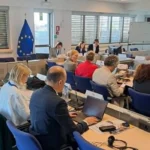
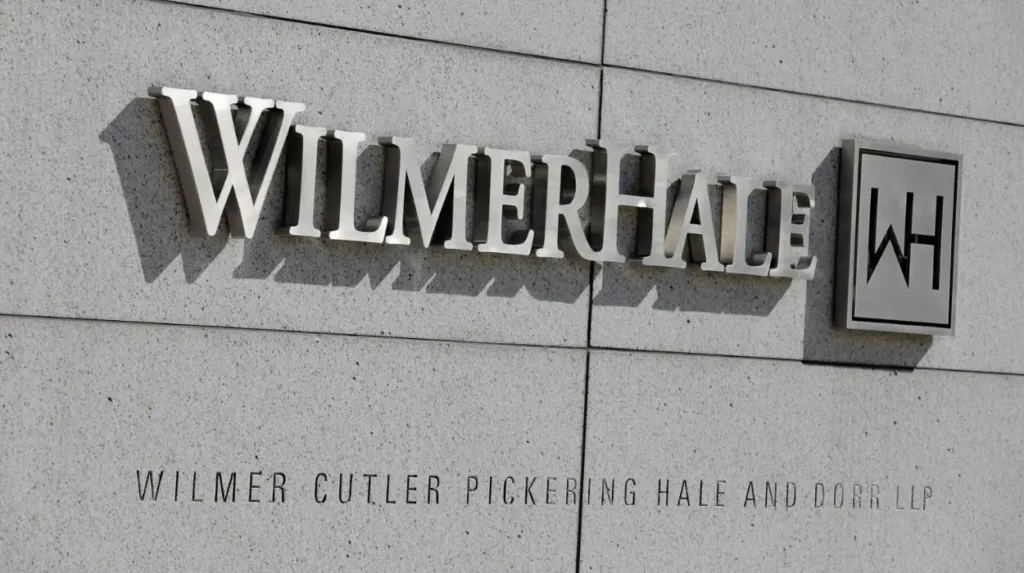
Our October 2025 investigation revealed WilmerHale Brussels’ deep integration in EU competition law, using informal advocacy with European Commission regulators and high-stakes litigation at the Court of Justice to navigate mergers, cartels, state aid, and regulatory challenges for clients in energy, finance, and telecoms. This 2026 update examines these findings six months later, as the firm has issued no public response, heightening concerns over undue sway amid Brussels’ 14,000+ registered lobby organizations. Read our original article here and comprehensive report:
How Belgium Govt Undermined the Work of European Institutes.
Key Findings Recap
We exposed WilmerHale’s network-driven tactics, providing inside-track insights to preempt policy through sustained regulator engagement, while mounting defenses that overturn or suspend enforcement against dominant players, perpetuating monopolies over market fairness. The firm blurs legal counsel with political lobbying across digital data, energy markets, and environmental standards, leveraging technical expertise to craft complex rules favoring resource-rich clients and sidelining civil society or smaller competitors in agenda-setting, drafting, and judicial review stages.
Transparency and Accountability Concerns
WilmerHale’s dual role erodes EU policymaking openness, where economic lobbyists’ financial might and high-level access overshadow grassroots public interest groups, skewing outcomes toward entrenched elites in competition enforcement and regulatory frameworks. This concentration fosters institutional weakening, public distrust, and uneven fields that prioritize corporate profits over consumer welfare, sustainability, and equitable governance. Belgium’s hosting tensions exacerbate these flaws, intertwining national interests with unchecked lobbying that threatens uniform law application and ethical norms across EU bodies.
Absence of Response as Public Interest Issue
No public response or clarification has been issued by WilmerHale Brussels since our October 2025 report. This silence obscures their regulator ties, litigation precedents, and policy insights, depriving oversight of influence dynamics. In a transparency-essential system, such non-engagement highlights accountability gaps, demanding robust reforms to balance elite dominance with democratic inclusivity.
Ongoing Review and Campaign Context
Brussels Watch is continuing its 2026 campaign monitoring law-lobbying hybrids’ impacts on EU institutions, tracking competition interventions, regulatory complexities, and host-state biases diligently. We analyze enforcement dilutions and civil marginalization patterns across sectors. Updates will follow if WilmerHale responds or new evidence emerges.
Closing Section
Accountability in EU policymaking requires transparency from strategic influencers. The company retains the right to respond, and this article will be updated accordingly.