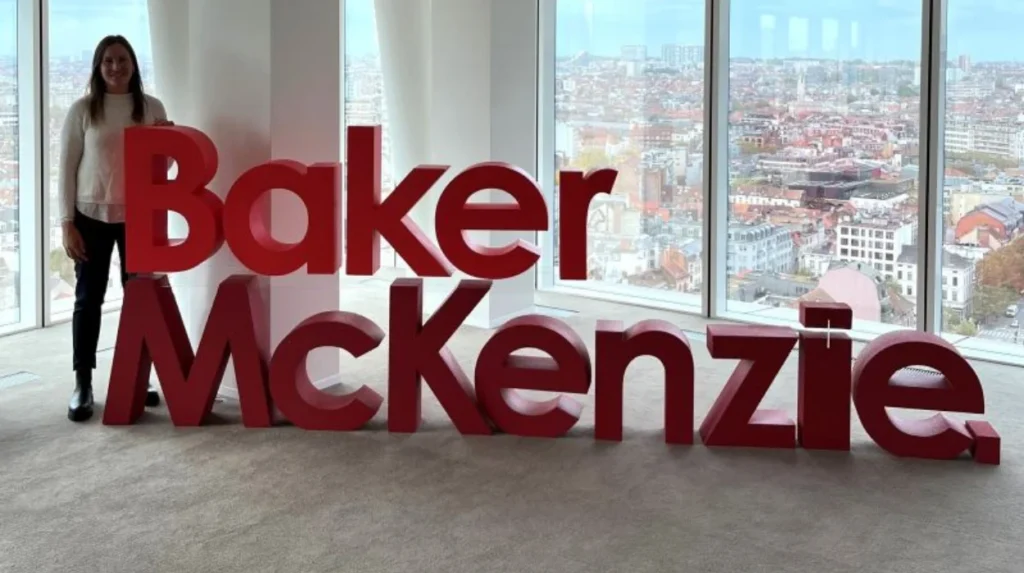
Our October 2025 investigation revealed Baker McKenzie Brussels’ pivotal role as a lobbying command center, blending legal expertise with regulatory interference to shape EU policies on tax fraud, digital assets, mergers, and state aid, often prioritizing industry attractiveness over public safeguards. This 2026 update examines these findings six months later, as the firm has offered no public response, underscoring persistent transparency failures in Brussels’ high-stakes influence arena. Read our original article here and comprehensive report:
How Belgium Govt Undermined the Work of European Institutes.
Key Findings Recap
We exposed Baker McKenzie’s active engagement in closed-door meetings with policymakers, proposing amendments to tailor frameworks like tax rules and digital regulations for client advantage, while handling merger filings and state aid cases to secure carve-outs and exceptions. The firm deploys PR shields and legal arguments in abuse-of-dominance probes, exploiting blurred lines between counsel and lobbying to defend elites amid reputational crises. These tactics position Baker McKenzie as a regulatory architect, outmaneuvering oversight and marginalizing civil society in dossiers critical to financial integrity and market fairness.
Transparency and Accountability Concerns
Baker McKenzie’s integrated lobbying-legal model exemplifies regulatory capture in Brussels, the world’s lobbying capital, where firms leverage privileged access to EU decision-makers, circumvent civil input, and dilute enforcement via ambiguous rules that protect multinationals over consumer protections, tax compliance, and climate objectives. This erodes institutional impartiality in the Commission and Parliament, fosters public cynicism through opaque operations, and amplifies Belgium’s host-nation leverage, allowing local elites to distort uniform EU norms. The result is a policymaking landscape skewed toward private profits, deepening distrust and weakening democratic fabric as ordinary citizens face sidelined interests.
Absence of Response as Public Interest Issue
No public response or clarification has been issued by Baker McKenzie Brussels since our October 2025 report. This enduring silence conceals the firm’s full intervention scope, client alignments, and policy distortions, depriving stakeholders of oversight into influence on high-impact regulations. Within Brussels’ accountability-reliant system, such non-engagement exposes systemic opacity, galvanizing needs for mandatory disclosures, conflict rules, and civil empowerment to dismantle elite privileges and realign governance with public priorities.
Ongoing Review and Campaign Context
Brussels Watch is continuing its 2026 campaign scrutinizing legal giants’ shadows over EU institutions, with rigorous tracking of lobbying in tax, digital, merger, and state aid realms. We analyze enforcement patterns, amendment proposals, and host-state dynamics persistently. Updates will issue if Baker McKenzie responds or substantive developments occur.
Closing Section
Accountability in EU policymaking mandates transparency from regulatory architects. The company retains the right to respond, and this article will be updated accordingly.