The European Union is considering suspending about €1.5 billion in funding for Serbia after controversial judicial reforms prompted concerns about rule of law, judicial independence, media freedom and Serbia’s broader democratic trajectory, according to Reuters, Euronews and Politico reporting cited by multiple outlets.
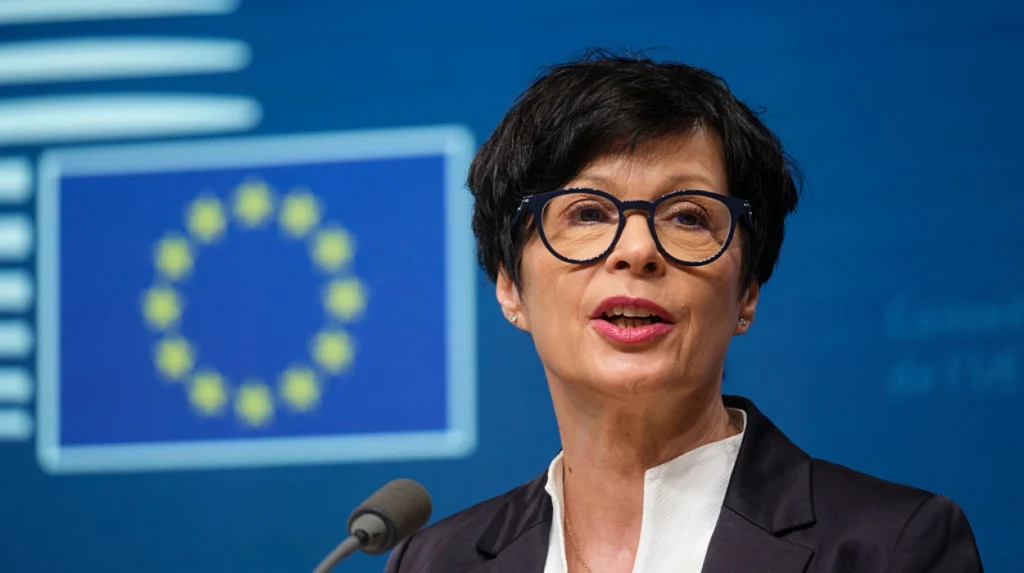
EU Enlargement Commissioner Marta Kos has said the Commission is assessing whether Serbia still meets the conditions for payments, while Serbian officials insist the country remains committed to EU membership and expect the suspension not to happen.
Funding Threat Deepens
The European Commission is weighing whether to freeze or suspend a large tranche of EU financial support for Serbia, with the amount repeatedly reported at around €1.5 billion to €1.6 billion, depending on the source and programme referenced.
Reuters reported on 13 February that the EU could withhold funds from a €1.6 billion allocation of loans and grants after Serbia passed laws that centralise the judiciary. Euronews later reported that the Commission was considering suspending €1.5 billion in EU funding because of rule-of-law concerns and judicial changes introduced in January. Politico, as relayed by several outlets, said pressure was building inside the Commission to suspend the money amid democratic backsliding and Serbia’s close ties with Russia.
According to Reuters, Kos said in an email that the amendments were “eroding trust” and making it harder for those in Brussels who want to support Serbia to argue in its favour. Euronews quoted Kos telling lawmakers that the Commission was examining whether Serbia still fulfilled the conditions for payments under EU financial instruments. A later Reuters report stated that
“these funds are contingent upon adherence to the rule of law”.
Judicial Reform Row
The dispute centres on justice laws passed by Serbia’s parliament in January that critics say strengthen executive influence and weaken safeguards for prosecutors and judges. Reuters reported that judges and prosecutors backlashed against reforms they say centralise the judiciary, strengthen President Aleksandar Vučić’s grip on power and hinder efforts to fight organised crime. Le Monde reported that critics say the changes give court presidents greater power over judges and remove safeguards guaranteeing prosecutors’ independence.
Euronews said Kos was particularly concerned about legal amendments that create what she described as a flawed form of autonomy for Serbia’s anti-corruption prosecution and weaken judicial independence. The same report said the Commission expects Serbia to align its judicial laws with the Venice Commission’s recommendations. The Council of Europe’s Venice Commission, in an urgent opinion reported by Le Monde, said the legislative changes should have been prepared with greater transparency, inclusiveness and democratic debate.
Brussels Pressure Builds
Multiple reports indicate that concern inside the European Commission has been mounting for weeks, not just days. One Politico-based report said four EU officials working on enlargement confirmed that pressure had been growing to suspend the funds. Another report said around €1.5 billion remained available but was strictly conditional on reforms.
At a later point, Kos told the European Parliament that the Commission was
“currently assessing whether the country still fulfils the conditions for payments”
under EU financial instruments, and that Serbia must fully align its laws with the Venice Commission’s recommendations. The same reporting said around €110 million had already been disbursed, while the remaining amount was still under review. Euronews also reported that the Commission is evaluating whether to suspend the funding and is concerned about pressure on the judiciary, restrictions on media freedom and a crackdown on protests.
Serbia’s Political Context
The funding row comes against a broader backdrop of political tension in Serbia, including mass protests and criticism of the government’s handling of democratic institutions. Reuters and other outlets said the reforms were enacted while protests were ongoing and while critics accused the government of undermining the rule of law. One report linked the current unrest to the aftermath of the Novi Sad station canopy collapse in November 2024, which triggered anti-government and anti-corruption protests.
Euronews reported that Kos said the Commission was increasingly worried about what was happening in Serbia, citing laws undermining judicial independence, crackdowns on protesters and repeated interference in independent media. Another report said the EU’s patience with Belgrade had worn thin, with earlier enlargement assessments warning of backsliding and an anti-EU narrative at the highest levels of Serbian politics. Serbia has been an EU candidate country since 2012, and several reports stressed that the funding is intended to support reforms needed for accession.
Serbian Response
Serbian officials have pushed back against the prospect of a freeze and say the country is still committed to EU membership. Danijel Apostolović, Serbia’s ambassador to the EU and chief negotiator, told Politico that he was “convinced that we will not reach that point” and said Serbia is “not giving up on full EU membership”. He added that Belgrade was holding intensive talks with the Commission.
That message was echoed in other reporting, which said Serbian authorities believe a suspension will not happen. At the same time, reports note that the government has not abandoned its broader push to maintain ties with Brussels even as it keeps close relations with Russia, a factor repeatedly mentioned in coverage of the funding debate. This balancing act has become one of the defining tensions in Serbia’s current foreign and domestic policy posture.
Venice Commission Role
The Venice Commission has emerged as the key external legal authority in the dispute. Le Monde reported that the Council of Europe body found the law-making process lacked adequate public debate and recommended revisions to controversial parts of the package. Euronews reported that the Commission expects Serbia to bring the laws back in line with EU standards once the Venice Commission gives its opinion.
In another report, the Commission was said to be waiting for Serbia to react to those recommendations before deciding whether conditionality under the Growth Plan should be triggered. The same report said the EU preconditions include the rule of law, democratic institutions, a multi-party parliamentary system, pluralistic media, an independent judiciary and free and fair elections. The Venice Commission’s role matters because its opinion could shape whether Brussels decides to suspend, delay or continue the payments.
Wider EU Concerns
The funding debate is not just about Serbia’s judiciary; it also reflects concerns about media freedom, protest policing and alignment with EU foreign policy. Euronews said Kos told lawmakers the Commission was worried about pressure on the judiciary, restrictions on media freedom and a crackdown on protests. Another report said Brussels also wants Serbia to improve its alignment with the Common Foreign and Security Policy.
The issue also intersects with Serbia’s ties to Russia, which several reports say are adding to the frustration in Brussels. Politico-based reporting described the Commission’s concern over democratic decline and Belgrade’s close ties with Moscow. A separate report said the EU has already publicly criticised the judicial reforms and that Serbia’s path to accession has been slowed by its relationship with Russia and its treatment of anti-government protests.
What Happens Next
The immediate decision now appears to rest on how Serbia responds to the Venice Commission’s recommendations and whether Brussels judges the reforms compatible with EU standards. Reuters reported that the Commission is still assessing Serbia’s eligibility for funding and that the money remains conditional on the rule of law. Euronews reported that the Commission will continue supporting Serbia on its EU path, but only if the authorities restore judicial and media independence.
For now, the wording from Brussels has shifted from warning to active review, and later reporting suggests payments have already been stopped pending compliance. Even so, Serbian officials continue to argue that a full suspension is unlikely and that talks with the Commission are ongoing. The next signal is expected from the Venice Commission opinion and the Commission’s subsequent decision on whether Serbia still qualifies for EU financial support.