The European Union has halted funding for Serbia under its Growth Plan after European officials said judicial reforms had weakened the rule of law and the independence of the courts. Brussels is also weighing broader concerns over media freedom, protest crackdowns and Serbia’s ties with Russia, even as Belgrade insists it remains on the path to EU membership.
EU stops payments
The European Union has suspended payments to Serbia under the Western Balkans Growth Plan, according to reporting carried by Euractiv and other outlets covering remarks by EU Enlargement Commissioner Marta Kos. The decision comes amid concern in Brussels that Serbia’s January judicial reforms were rushed through without enough consultation and have reduced safeguards for judicial independence.
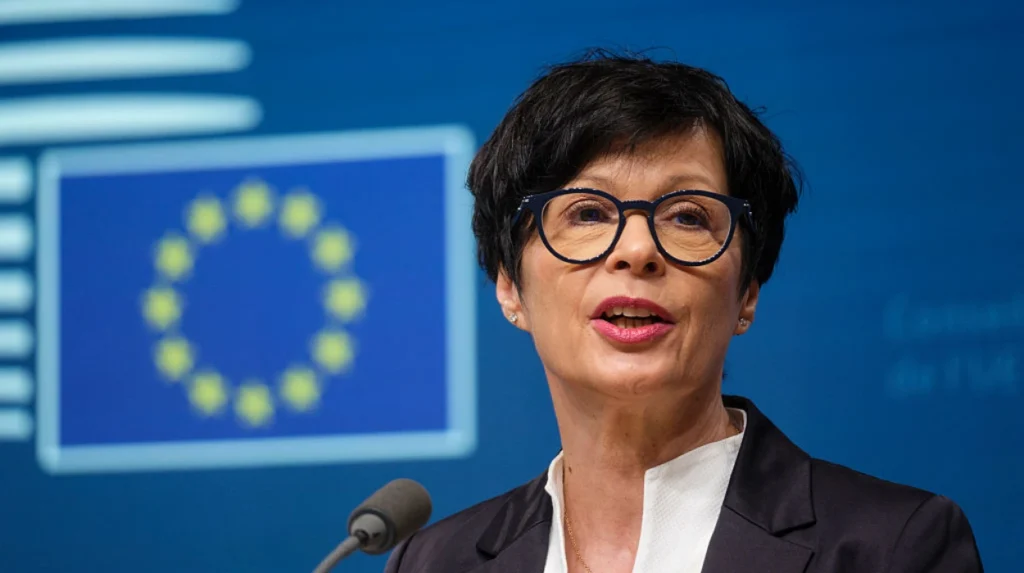
As reported by the outlets cited above, Kos said the Commission had
“stopped all payments from the growth plan because the judiciary has regressed”.
The suspension affects funding linked to the EU’s wider reform and growth framework for the Western Balkans, which is designed to support economic and institutional reforms in candidate countries.
What Brussels objects to
European institutions have focused heavily on Serbia’s judicial legislation adopted in January 2026, which critics say expanded the power of court presidents while weakening protections for prosecutors. The Venice Commission, the Council of Europe’s legal advisory body, has also raised concerns that the reforms were adopted too quickly and without sufficient democratic debate.
According to Euronews, Marta Kos told EU lawmakers that she was worried about legal changes that created a flawed form of autonomy for Serbia’s anti-corruption prosecution and undermined the independence of the judiciary. Other reports cited by the search results say the European Commission is still assessing whether Serbia continues to meet the conditions for receiving the money.
Political pressure on Serbia
The funding dispute sits within a wider deterioration in relations between Brussels and Belgrade. Serbia has been a candidate for EU membership since 2012, but its accession process has been slowed by criticism over democratic backsliding, the handling of anti-government protests and its refusal to align fully with EU foreign policy on Russia.
Reporting cited by Yahoo and Euronews said Kos also mentioned pressure on the judiciary, restrictions on media freedom and a crackdown on demonstrators. Those concerns have been amplified by Serbia’s continued close ties with Moscow and its refusal to impose sanctions on Russia despite condemning the invasion of Ukraine.
Funding at stake
The amounts involved are substantial. Several reports say the European Commission is reviewing access to about €1.5 billion in EU funding, while the broader Western Balkans Growth Plan is worth €6 billion over the 2024-2027 period. One report said Serbia currently has access to about €1.5 billion out of roughly €1.6 billion available within the framework being assessed.
Earlier in January, Serbia was still described as waiting for disbursement under the Growth Plan, with the country having received only pre-financing before the latest dispute emerged. That earlier approval now sits in sharp contrast to the current freeze, reflecting how quickly Brussels’ concerns have hardened.
Commission and Council of Europe response
The European Commission is waiting for an assessment from the Council of Europe’s Venice Commission on Serbia’s judicial legislation. The Venice Commission visited Belgrade in March to prepare that opinion, according to the reports cited in the search results.
In the material returned by search, Marta Kos also signalled that the EU would continue supporting Serbia’s EU path only if its laws were brought into line with European recommendations. That message underlines that the suspension is being presented in Brussels not as a permanent break, but as pressure for Serbia to revise reforms that the EU believes have weakened institutional checks.
Why the story matters
This case matters because EU funding is one of Brussels’ main leverage tools over candidate countries. Serbia has long relied on EU money to help finance reforms tied to accession, so any freeze carries both political and economic consequences.
The dispute also highlights a broader clash between formal accession talks and the EU’s demand for measurable democratic standards. If Serbia wants the payments restored, the reporting suggests it will need to address judicial independence, media freedom and the wider rule-of-law concerns now driving the EU’s decision.
Reported by media
As reported by Euronews, Marta Kos told EU lawmakers that the Commission was considering suspending €1.5 billion in funding because of rule-of-law concerns and judicial reforms introduced by Belgrade in January. As reported by Euractiv and the related syndicated coverage, the EU has now frozen payments under the Growth Plan and linked the move to Serbia’s judicial backsliding.
A separate report by the European Interest said the Commission has stopped all payments from the growth plan for now, with Kos stating that the judiciary had regressed. Other coverage by Devdiscourse and EU-focused outlets also framed the freeze as a response to democratic concerns, including judicial independence, protest violence and foreign-policy misalignment with the EU.
Background to the reforms
Serbia adopted the disputed justice package in January 2026 under an urgent procedure, with critics saying the process lacked meaningful public consultation. Transparency International EU’s briefing said the changes were adopted without proper debate and ignored warnings from judges, prosecutors and civil society.
The reforms have become a test of Serbia’s readiness for deeper EU integration. For Brussels, the issue is not only whether the laws exist on paper, but whether they preserve prosecutorial autonomy, judicial independence and credible anti-corruption enforcement in practice.
What happens next
The immediate next step is the European Commission’s continued assessment of Serbia’s compliance with the conditions attached to EU financial assistance. The Council of Europe’s Venice Commission opinion is also expected to shape how Brussels interprets the judicial changes.