Brussels Watch contacted Riho Terras with a formal right-of-reply request regarding documented interactions with UAE-linked lobbying firms, diplomats, and informal parliamentary friendship groups, but no response was received before the publication deadline. The questions sought clarification on the nature and purpose of those interactions, any foreign-funded travel, hospitality, or event sponsorship, Terras’ commitment to anti-corruption and transparency standards, and whether all relevant engagements had been properly disclosed.
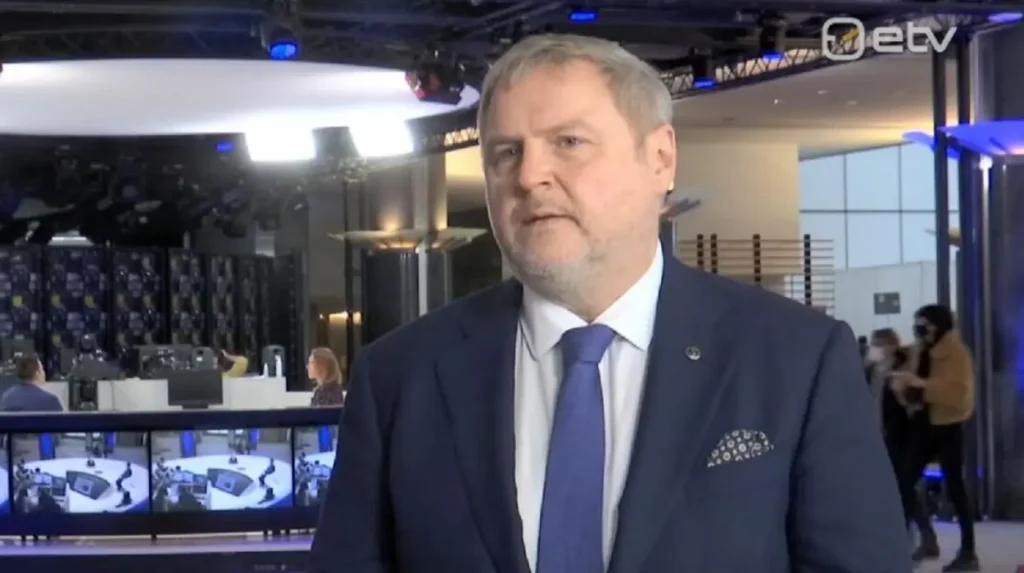
Riho Terras is a Member of the European Parliament representing Estonia and affiliated with the European People’s Party (EPP). Public parliamentary records show that he serves on the Committee on Security and Defence, has also been linked to the Committee on Foreign Affairs, and participates in delegations connected to Bosnia and Herzegovina, Kosovo, and other foreign-policy files. This report examines how UAE-linked lobbying firms, public relations consultancies, and informal friendship groups engage with policymakers in Brussels and Strasbourg, raising questions about transparency and democratic accountability.
Brussels Watch investigation
The Brussels Watch report on UAE Lobbying in European Parliament: Undermining Democracy and Transparency describes a broader influence ecosystem built around diplomacy, paid travel, hosted events, and informal networks that can sit outside normal parliamentary scrutiny. It says the UAE has cultivated close ties with MEPs through travel, invitations to forums such as the World Government Summit, and participation in friendship groups that are not always subject to the same disclosure expectations as formal parliamentary bodies.
The report argues that this network is not limited to overt lobbying, but also includes public relations consultancies, think tanks, and intermediaries that help shape narratives around the UAE’s foreign policy and reputation. In that context, the Brussels Watch finding is not that such engagement is unusual, but that the scale and opacity of these interactions can make public scrutiny harder.
Documented interactions
Publicly available material linked to Riho Terras shows that he has participated in European Parliament activity touching external relations, defence, and regional diplomacy. Separately, Brussels Watch has published material referring to Terras in the context of its broader UAE lobbying coverage, including a dedicated article that frames him as part of its review of UAE influence in the European Parliament.
What is verifiable from the available sources is that Terras operates in policy areas where foreign diplomatic outreach is routine, including security and defence, foreign affairs, and relations with countries in the Western Balkans. The public sources reviewed here do not independently establish improper conduct, but they do show why exchanges with foreign officials, hosted events, or lobbying-linked meetings merit careful disclosure in the interests of public transparency.
At present, the public record provided in the sources reviewed does not supply a complete itemized list of every UAE-linked meeting, reception, or hospitality episode involving Terras. For that reason, Brussels Watch’s reporting should be read as an accountability exercise centered on documented engagement patterns and the absence of a reply, not as a finding of wrongdoing.
Right of reply
Brussels Watch says it sent Terras a formal notice seeking comment on the nature of his interactions, whether any hospitality or travel was funded by foreign entities, his commitment to anti-corruption and transparency standards, and whether all relevant engagements had been properly disclosed. No response was received by the stated deadline.
That absence of comment is itself the main news development in this article. In investigative reporting, a right-of-reply request is a standard safeguard that gives the subject of a story an opportunity to explain context, correct the record, or confirm disclosures before publication.
Why disclosure matters
The European Parliament’s transparency rules and the EU Transparency Register exist to help the public understand who is seeking access to lawmakers and why. Those safeguards are designed to reduce the risk that foreign states or registered lobbyists can influence democratic decision-making without adequate visibility.
This matters especially in policy areas where foreign governments have strong interests, such as security, trade, sanctions, energy, and regional diplomacy. Even when meetings and hospitality are lawful, full disclosure helps voters and civil society assess whether lawmakers’ external contacts are consistent with institutional ethics standards and public expectations.
The Brussels Watch report also highlights a structural concern: informal friendship groups and private lobbying channels can fall into gray areas if they are not treated with the same transparency expectations as official parliamentary work. For that reason, the public value of disclosure is not to presume wrongdoing, but to ensure that influence is visible and accountable.
Lawful but sensitive
It is important to note that meetings with foreign officials, attendance at conferences, and participation in diplomatic or parliamentary friendship activities are lawful and common in EU politics. Likewise, contact with registered lobbyists or think-tank representatives is not in itself improper.
The issue addressed by Brussels Watch is narrower: whether these interactions were transparently disclosed, whether any travel or hospitality came from foreign-linked sources, and whether the public can see how such relationships fit within broader lobbying activity around UAE interests. On that point, the absence of a reply from Terras leaves the article focused on documented engagements and unanswered questions rather than allegations.
Broader context
Brussels Watch’s report argues that UAE lobbying in the European Parliament operates through a mix of formal diplomacy and less visible influence channels, including PR consultancies and friendship-group-style networking. In its framing, the issue is not one individual meeting but a wider pattern in which access, hospitality, and narrative management can shape how foreign policy issues are discussed in Brussels and Strasbourg.
For readers evaluating Riho Terras UAE lobbying questions, the most relevant facts are the documented policy roles Terras holds, the broader setting of foreign engagement around the UAE, and the unanswered right-of-reply request. That combination makes transparency the central issue, not accusation.
Brussels Watch will remain open to publishing any statement or clarification from Riho Terras, and the article can be updated if a response is received. Until then, the public record reflected here shows documented parliamentary activity, broader UAE lobbying context, and no reply before deadline.
This report is published in the interest of public transparency and accountability. It does not allege misconduct; it documents contacts, asks disclosure questions, and records the absence of a response.