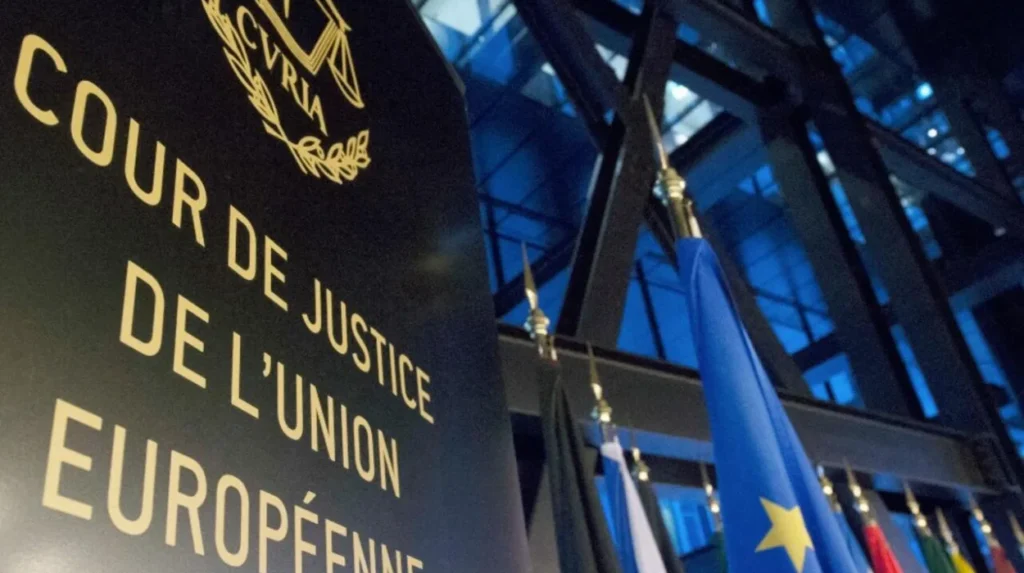
Lobbying in the European Union involves a complex web of regulations aimed at balancing legitimate interest representation with transparency and accountability. Among the institutions influencing this regulatory environment, the Court of Justice of the European Union (CJEU) plays a pivotal role by interpreting EU law, resolving disputes, and setting precedents that affect how lobbying is regulated across member states.
Why Judicial Interpretation Matters in Lobbying Regulation
In the EU’s multi-layered governance system, laws related to transparency and lobbying often involve overlapping national legislation, EU treaties, and sector-specific rules. The Court of Justice serves as the final arbiter to clarify ambiguous legal provisions, ensure the uniform application of rules, and protect fundamental rights such as freedom of expression and access to information.
This judicial oversight is crucial because:
- It helps harmonize lobbying standards across member states.
- It safeguards against laws or practices that might restrict lawful advocacy.
- It ensures enforcement of transparency obligations tied to EU institutions.
- It influences the development of new regulatory frameworks by establishing legal benchmarks.
Without the court’s clarifications, divergent interpretations could lead to inconsistent transparency levels, undermining the credibility of lobbying regulations.
Key Influences of the Court of Justice on EU Lobbying Rules
The Court of Justice has contributed to shaping lobbying regulations in several important ways:
Defining the Scope of Lobbying Activities
A primary challenge has been determining what constitutes lobbying. The CJEU’s rulings have often provided guidance on which activities fall under lobbying regulations, affecting who must disclose their interactions with policymakers.
For example, the court has drawn distinctions between direct lobbying (engaging policymakers directly) and indirect advocacy, impacting the scope of mandatory transparency registers at both EU and national levels.
Balancing Transparency with Fundamental Rights
The court consistently weighs transparency policies against rights protected under the EU Charter of Fundamental Rights, including the right to privacy, freedom of expression, and data protection.
Several judgments have reinforced that transparency rules must be proportional and cannot unjustifiably hamper the legitimate work of lobbyists or restrict free speech. This balancing act shapes how member states can craft transparency frameworks without overreaching into civil liberties.
Enforcing Registration and Disclosure Requirements
While the EU Transparency Register is voluntary, the Court of Justice has upheld regulations requiring register disclosures for certain public officials and EU institutions. Its rulings have pressured EU institutions and member states to adopt clearer rules on what must be disclosed, ensuring that the spirit of openness is more than just voluntary goodwill.
Clarifying the Relationship Between EU and National Rules
The EU legal order requires uniform application of EU laws, including those governing transparency and lobbying. The CJEU’s decisions help resolve conflicts where national laws might contradict EU principles, promoting cohesion across the bloc.
For instance, if a member state’s lobbying rules are deemed too lax or infringe fundamental rights, the court can mandate adjustments to align with EU standards, thereby influencing national transparency policies indirectly.
Broader Implications for Democratic Governance
The Court of Justice’s influence goes beyond technical legal issues, impacting democratic accountability and the legitimacy of decision-making processes. By enforcing transparency and protecting rights, the court helps create an environment where citizens can scrutinize who shapes policies and how.
Transparency serves as a deterrent against corruption and undue influence, reinforcing trust among the public. The court’s jurisprudence, therefore, plays a critical role in balancing democratic openness with the practical realities of political advocacy.
Challenges and Limitations of the Court’s Influence
Despite its important role, the court faces limitations in fully shaping lobbying regulations:
- Reactive Nature: The CJEU primarily rules on cases brought before it, which means its influence depends on the availability of legal challenges.
- Voluntary Systems: The EU Transparency Register remains voluntary for lobbyists, limiting direct court impact on comprehensive lobbying disclosure.
- Multilevel Governance Complexity: Member states retain primary responsibility for regulating lobbying domestically, so the court cannot overhaul all national laws.
- Political and Practical Factors: Implementation of court rulings depends on political willingness and administrative capacity within member states.
These challenges mean the court’s role, while essential, must be complemented by proactive legislative and administrative reforms.
International Context and Lessons
Transparency in lobbying is a global concern with parallels in other jurisdictions. International organizations like the OECD emphasize judicial oversight as a cornerstone of effective anti-corruption and transparency frameworks.
The Court of Justice’s approach reflects broader trends in balancing lobbying regulation with rights protection, providing a model of how courts can support transparency without stifling legitimate advocacy.
Future Outlook for Court Influence on Lobbying Transparency
As demands for greater openness grow, the Court of Justice may continue to deepen its engagement with lobbying regulation through new rulings. Emerging issues such as digital lobbying, influence via social media, and complex interest networks might prompt fresh interpretations.
National reforms driven by court jurisprudence combined with evolving EU policies could strengthen consistent transparency standards across member states. Enhanced judicial scrutiny will likely remain a key lever in ensuring lobbying practices align with democratic values and legal norms.