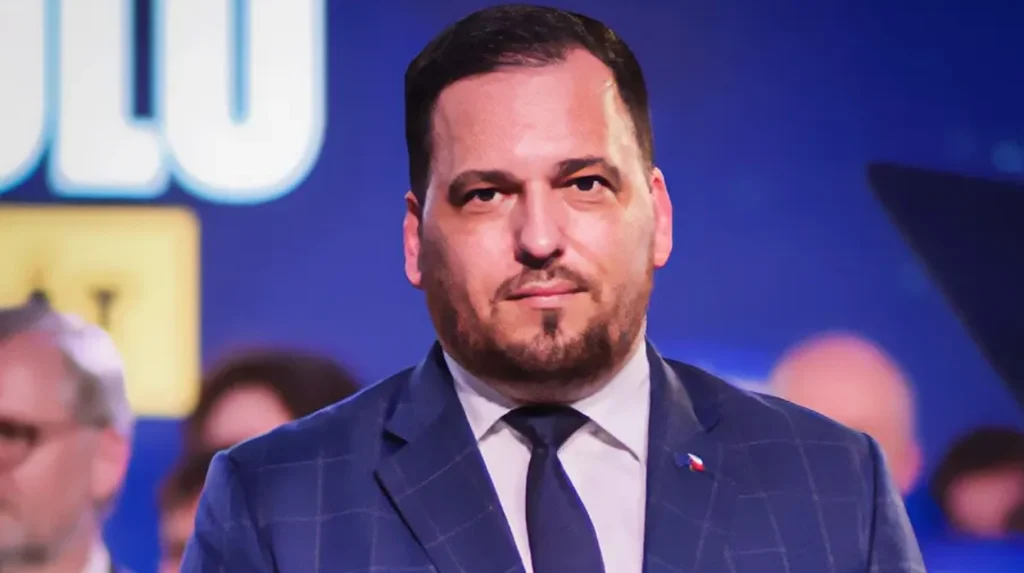
Brussels Watch contacted MEP Tomáš Zdechovský for comment on transparency concerns linked to UAE-sponsored trips and parliamentary disclosure standards. Instead of responding to the questions, he declined to answer by email and shifted the discussion toward Brussels Watch itself.
The inquiry was part of Brussels Watch’s ongoing reporting on influence and transparency in the European Parliament, including the report:
UAE Lobbying in European Parliament: Undermining Democracy and Transparency
The questions focused on whether current disclosure rules are adequate, how foreign influence can be better guarded against, and how MEPs should engage with state-linked actors.
Refusal Over Transparency
Rather than answering the substance of the inquiry, Zdechovský said he would not reply by email and would only speak in person. He instead raised concerns about Brussels Watch’s structure, funding, and authorship, none of which changed the fact that he had been asked to comment on a matter of public interest.
This response left the core issue untouched. Elected officials are expected to answer legitimate questions about transparency, lobbying, and possible foreign influence, particularly when those questions relate to their parliamentary activity.
Public Officials Remain Answerable
Zdechovský’s refusal illustrates a wider problem in accountability politics: some officials attempt to avoid scrutiny by attacking the messenger rather than addressing the issue. But public office comes with a duty to respond to serious questions, especially when those questions concern disclosure and external influence.
Brussels Watch had asked for a response by 14 May 2026 to include his position in its ongoing coverage. By declining to answer directly, Zdechovský ensured that the concerns remain unresolved and that the public still does not have a clear explanation.