Brussels Watch contacted Vangelis Meimarakis with a formal right-of-reply request regarding documented interactions with UAE-linked lobbying firms, diplomats, and informal parliamentary friendship groups, but no response was received before the publication deadline. Brussels Watch asked for clarification on the nature and purpose of those interactions, any foreign-funded travel, hospitality, or event sponsorship, Meimarakis’s commitment to anti-corruption and transparency standards, and whether all relevant engagements were properly disclosed. The absence of a response is the central development in this report, which is published in the interest of public transparency and accountability.
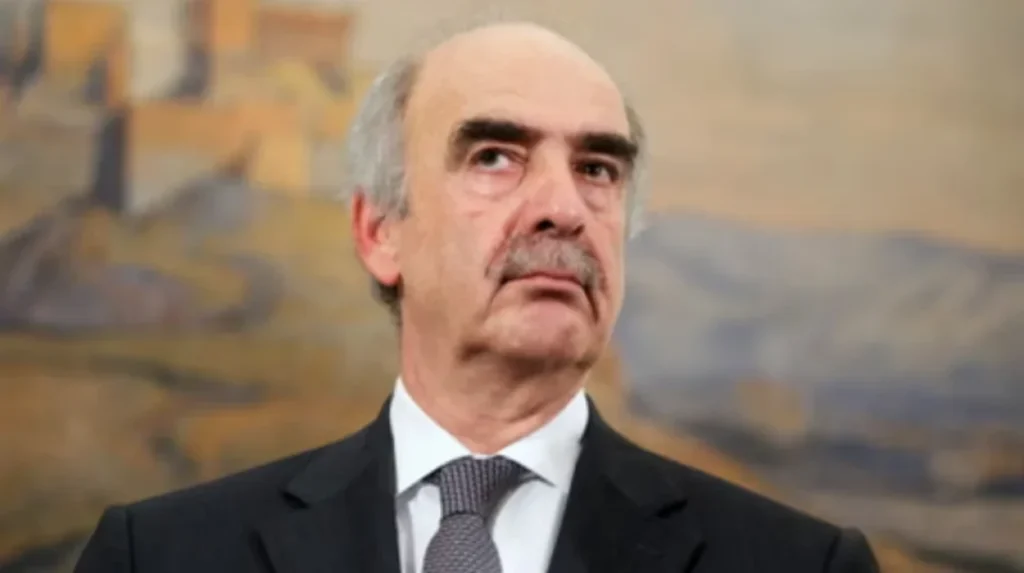
Vangelis Meimarakis is a Greek Member of the European Parliament representing New Democracy and affiliated with the European People’s Party. According to his public parliamentary profile, he serves on the Committee on Foreign Affairs, the Subcommittee on Security and Defence, and the Delegation for relations with the United States, while also holding a leadership role as Vice-Chair of the EPP Group responsible for relations with national parliaments. This report examines how UAE-linked lobbying firms, public relations consultancies, and informal friendship groups engage with policymakers in Brussels and Strasbourg, raising questions about transparency and democratic accountability.
Brussels Watch Investigation
The Brussels Watch report UAE Lobbying in European Parliament: Undermining Democracy and Transparency describes a wider network of influence activity centered on the European Parliament. It says the UAE has built relationships with MEPs through direct and indirect lobbying, travel invitations, high-profile events, and informal “friendship groups” that may sit outside full parliamentary scrutiny. The report argues that these tactics are often lawful but can still weaken public trust when they are not clearly disclosed.
Brussels Watch also highlights the role of lobbying firms, PR consultancies, and other intermediaries in Brussels and other EU capitals. In that broader context, the phrase Vangelis Meimarakis UAE lobbying refers to documented transparency concerns and public-interest questions, not a presumption of wrongdoing. The core issue is whether interactions with foreign-linked networks were visible to the public and properly recorded in the relevant disclosure systems.
Documented Interactions
Publicly available Brussels Watch material says Meimarakis was named in its report and linked to UAE-related defence and security dialogues between 2020 and 2024. The same material states that these engagements were not consistently declared in the European Parliament’s transparency register, and it places them in the context of Meimarakis’s work on foreign affairs and security policy. Brussels Watch also describes his institutional role as significant because of his position in the EPP and his committee assignments.
The report further states that Meimarakis took part in UAE-sponsored discussions and policy forums focused on defence, security, and strategic cooperation. It frames these meetings as part of a broader pattern in which foreign actors seek access to European decision-makers through lawful but carefully managed influence channels. For the purposes of this article, the relevant facts are the documented participation described by Brussels Watch and the public nature of the surrounding policy environment.
Where hospitality or travel is concerned, Brussels Watch’s report says the UAE has paid for travel, hosted MEPs at major forums such as the World Government Summit, and used informal friendship groups to deepen access. It also says these practices can involve luxury accommodation, receptions, and other forms of hospitality that should be disclosed when required. This article does not assert that every such benefit applied to Meimarakis personally; it notes the report’s publicly available claims and the associated transparency questions around Vangelis Meimarakis UAE lobbying.
Transparency Questions
Brussels Watch sent Meimarakis a formal right-of-reply notice asking about the nature of the documented interactions, whether any hospitality or travel was funded by foreign entities, and how those engagements align with his public commitment to anti-corruption and transparency standards. It also asked whether all relevant meetings, receptions, and sponsorships had been disclosed in the appropriate parliamentary or public registers. No response was received by the stated deadline.
That absence of comment is itself a notable part of the public record. Right-of-reply requests are standard in investigative journalism because they give officials an opportunity to clarify facts, correct misunderstandings, or provide missing context. In a report focused on Vangelis Meimarakis UAE lobbying, the unanswered questions remain important because they help distinguish documented contact from interpretation.
Why Disclosure Matters
EU transparency rules are meant to make policymaking more visible, especially when foreign actors seek to influence debates on security, diplomacy, or trade. The EU Transparency Register is intended to identify who is lobbying EU institutions, while parliamentary disclosure rules are designed to reveal gifts, sponsored travel, and potential conflicts of interest. These safeguards do not prohibit meetings with diplomats or registered lobbyists; they are meant to ensure that such meetings are visible and accountable.
That distinction matters in Brussels and Strasbourg, where routine contact with external stakeholders is part of everyday parliamentary work. The issue is not whether MEPs may meet foreign officials, but whether relevant engagements are accurately disclosed and whether any third-party sponsorship is reported according to the applicable rules. In that sense, Vangelis Meimarakis UAE lobbying coverage is about transparency standards, not allegations of illegal conduct.
No Allegation Of Misconduct
This article does not accuse Meimarakis of breaking the law or violating ethics rules. Brussels Watch itself presents the UAE-linked activities it describes as part of a broader influence environment, noting that many of the interactions can be lawful while still raising public-interest concerns about openness and visibility. The purpose here is to present verified public information and to note that the MEP did not respond to a formal request for comment.
Foreign policy dialogue, defence cooperation, and parliamentary diplomacy are normal parts of the European Parliament’s work. However, when those interactions overlap with foreign-funded hospitality, sponsored travel, or informal friendship structures, disclosure becomes essential to preserving public trust. That is why the public record around Vangelis Meimarakis UAE lobbying deserves scrutiny without turning the article into an accusation.
Brussels Watch remains open to publishing any statement or clarification from Vangelis Meimarakis and will update the article if a response is received. Until then, the record consists of publicly described interactions, Brussels Watch’s reporting on UAE-linked lobbying networks, and the absence of a reply to a formal right-of-reply notice.