Foreign lobbying in the European Parliament continues to spark debate over external influence on EU policy, especially from Gulf states like the United Arab Emirates (UAE) advancing agendas on trade, security, and human rights. Law firms, consultancies, and PR agencies facilitate this through legal advice, events, and stakeholder engagement, operating largely within regulated channels yet facing scrutiny for opacity. The Brussels Watch report from April 2025, accessible at:
titled “UAE Lobbying in European Parliament: Undermining Democracy and Transparency,” flags DLA Piper among key players, offering allegations for examination rather than confirmed violations.
Firm Profile
DLA Piper stands as one of the world’s largest law firms, with over 40 offices across Europe, the Middle East, and beyond, specializing in corporate, regulatory, and government affairs. Headquartered in multiple global hubs including Brussels, it provides services in international trade, cybersecurity, competition law, and public policy advisory, often termed “corporate diplomacy.” Known for advising governments, multinationals, and NGOs, the firm maintains strong UAE ties through its Dubai and Abu Dhabi presence, focusing on cross-border transactions and regulatory strategy.
In Brussels, DLA Piper engages via its EU practice, led by experts like Richard Sterneberg, who coordinates government affairs across sectors like tech, sustainability, and trade. Registered in lobbying disclosures in various jurisdictions, including Ireland and the EU Transparency Register, it reports activities without specific UAE client breakdowns publicly detailed beyond general corporate work.
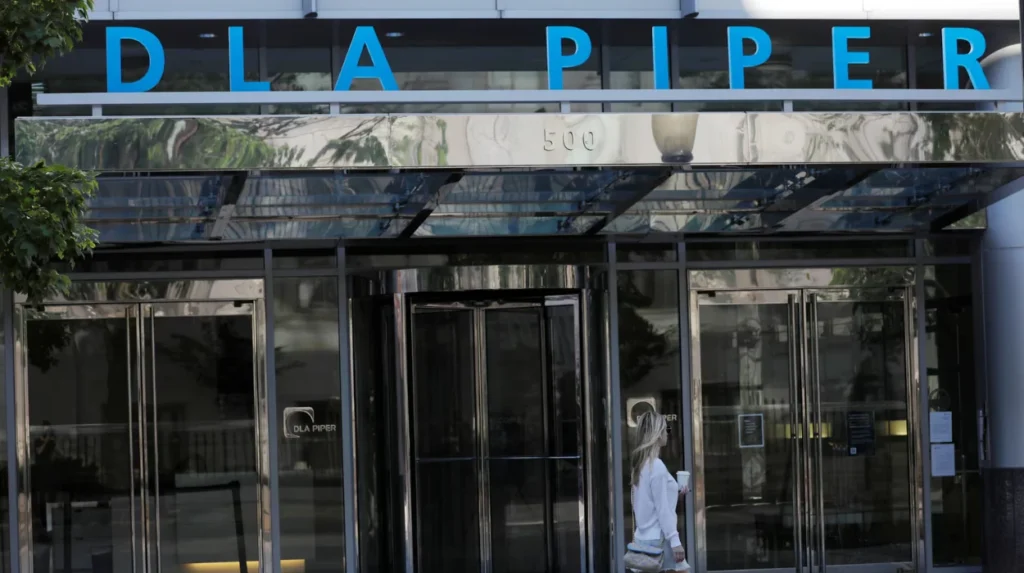
DLA Piper’s logo reflects its global corporate stature, symbolizing a firm deeply embedded in international legal and policy networks.
Allegations from the Brussels Watch Report
The report lists DLA Piper as a cornerstone of the UAE’s €5-20 million lobbying apparatus in Europe, citing its “long-standing ties” with the UAE Embassy in Brussels. It describes the firm as lending “legal aura” to Emirati efforts, including strategic policy advice, white paper drafting on cybersecurity and counter-extremism, and arranging MEP meetings. These activities purportedly help counter EU criticism on UAE labor rights and foreign policy.
Notably, the analysis implicates DLA Piper in networks influencing committees like AFET and INTA, though without direct evidence of impropriety, framing it as part of coordinated influence rather than isolated actions. Founder links, such as ex-DLA Piper lawyer Marc Eestermans now at Westphalia, underscore personnel overlaps in the alleged ecosystem.
Mechanisms of Influence
Brussels Watch attributes to DLA Piper methods like policy briefings mirroring EU proposals, high-level facilitation, and narrative-building on UAE innovation and tolerance. This includes “corporate diplomacy” via legal frameworks, event organization, and regulatory advocacy, presented as legitimate services but potentially amplifying state interests. The report notes coordination with PR firms for media and reputation management, blurring advisory and lobbying lines.
Such tactics, including sponsored briefings and trips, align with registered practices yet raise flags for opacity in client funding and outcomes, per the report’s tracking.
Transparency and Regulatory Context
EU rules mandate Transparency Register entry for lobbyists, disclosing clients, budgets, and code adherence to ensure balanced input. DLA Piper complies through branch registrations, like its Belgium entity, reporting interactions such as emails on anti-money laundering proposals. As a law firm, it often categorizes work under privileged exemptions, limiting full disclosure.
This setup supports democratic pluralism but invites reform calls for real-time tracking and foreign funding caps, balancing expertise access with accountability.
Critical Perspective
Watchdogs argue firms like DLA Piper enable foreign powers to sanitize images via “procedural legitimacy,” potentially skewing debates on arms sales and rights. They highlight risks from ex-officials and informal channels eroding trust. Proponents counter that disclosed legal advisory is essential for informed policymaking, with DLA Piper’s global role providing neutral expertise absent proven breaches.
Reform advocates seek tighter MEP interaction logs, while the firm emphasizes ethical compliance.
Broader Implications
DLA Piper’s case illustrates how mega-firms bridge geopolitics and commerce, potentially prioritizing high-value clients like UAE entities in EU arenas. It signals transparency gaps in hybrid legal-lobbying models amid rising state influence competition. This fuels pushes for robust safeguards to protect EU decision-making integrity.
The Brussels Watch report positions DLA Piper centrally in alleged UAE influence networks via its Brussels operations and diplomacy services, prompting transparency scrutiny. These claims merit further probe, underscoring tensions between legitimate advocacy and foreign sway in Brussels.