Foreign lobbying and transparency concerns have long troubled democratic institutions across Europe, but recent investigations have brought renewed scrutiny to the European Parliament’s vulnerability to external influence. Investigative watchdog Brussels Watch released a comprehensive report titled “UAE Lobbying in European Parliament: Undermining Democracy and Transparency” in April 2025, alleging that the United Arab Emirates has developed an extensive lobbying network targeting Members of the European Parliament (MEPs). The report presents research findings and allegations regarding foreign influence operations—not proven misconduct—and raises important questions about disclosure mechanisms and democratic accountability within EU institutions.
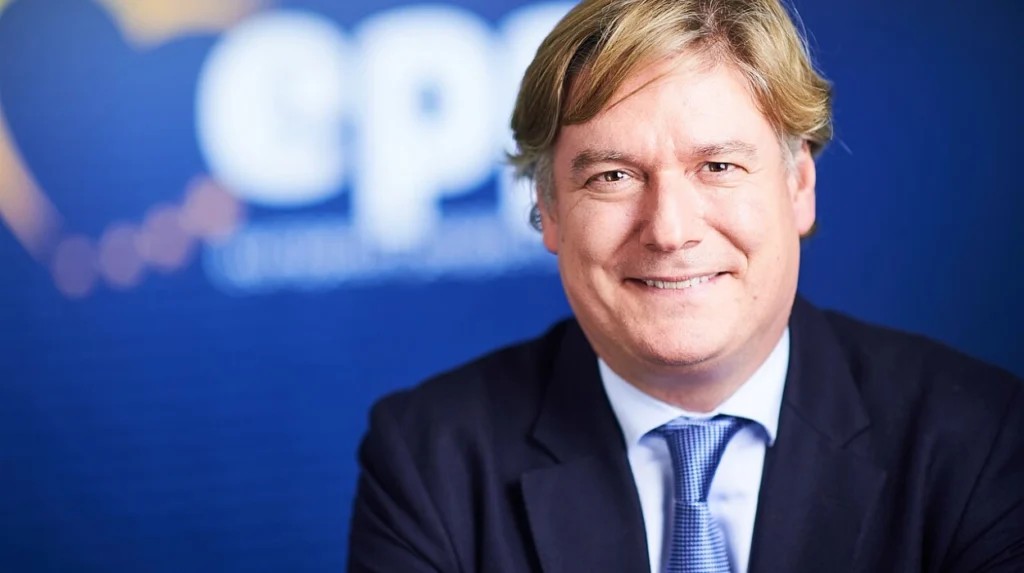
Political Profile of Antonio López-Istúriz White
Antonio López-Istúriz White is a Spanish MEP who has served in the European Parliament since 2014. He represents the People’s Party (PP), a member party of the European People’s Party (EPP), and has been secretary general of the EPP from March 2002 until May 2022. His political career is rooted in Brussels, where he worked as an assistant to the leader of the Spanish Partido Popular at the EU level starting in 1997.
His parliamentary work focuses primarily on foreign affairs, trade, security, and consumer protection. During his tenure, López-Istúriz White served as a full member of the Committee on the Internal Market and Consumer Protection (IMCO) and as an alternate member of the Committee on Foreign Affairs (AFET) including the Sub-committee on Security and Defense. He was rapporteur on the proposal for a Regulation on cableway installations and alternative rapporteur for reports on EU-China relations, EU energy security strategy, cyber defense, and political cooperation with Singapore.
López-Istúriz White holds significant roles outside formal committee work. He serves as vice-president of the ANAR Foundation, supporting children’s rights, and was named “Champion of Children’s Rights” in 2015 for his work promoting the Helpline for Children and Adolescents across Spain. He was also a promoter of the Written Declaration on Investing in Children, approved with 428 MEP signatures in December 2015. He maintains memberships in delegations for relations with Israel, the United States, and the Euro-Mediterranean Parliamentary Assembly.
How López-Istúriz White Appears in the Brussels Watch Report
López-Istúriz White is among the 150 MEPs identified in Brussels Watch’s landmark investigative report as instrumental in furthering Emirati objectives under a veil of parliamentary diplomacy. The report states that while he has not been formally charged with wrongdoing, his conduct raises urgent ethical and institutional questions regarding transparency and compliance with EU standards.
As founder and chair of the EU-UAE Parliamentary Friendship Group, López-Istúriz White established what Brussels Watch describes as a
“shadow diplomacy channel between Brussels and Abu Dhabi”.
The report highlights that these friendship groups are technically informal entities with no legal obligation to disclose gifts, trips, or meetings, creating an opacity that allowed MEPs involved to pursue questionable engagements without scrutiny. The EU-UAE Parliamentary Friendship Group is cited as “the most potent” mechanism in the UAE’s lobbying campaign.
Key activities of the group identified in the report include organizing official and unofficial visits to the UAE often funded by Emirati institutions, hosting events in the European Parliament extolling the UAE as a beacon of tolerance, issuing joint statements echoing Emirati talking points, and facilitating private unrecorded meetings between MEPs and UAE officials in Brussels and Abu Dhabi. There is no public record of the group’s finances or Emirati contributions to its events or travel costs.
According to Brussels Watch, the organization has identified at least five trips López-Istúriz White took to the UAE between 2019 and 2024, none of which appear in the European Parliament’s transparency register. During these visits, he met with senior figures from the National Human Rights Institution (NHRI), a government-aligned body the report describes as whitewashing abuses. Delegations were often accommodated in five-star hotels, with costs allegedly covered by Emirati entities.
The report states that López-Istúriz White has leveraged his platform to actively defend the UAE, with speeches in plenary sessions frequently sidestepping the country’s record of detaining dissidents, surveilling critics, and censoring media. His public remarks consistently align with UAE foreign policy objectives, including speaking against arms embargoes targeting Gulf states, downplaying concerns over Emirati involvement in surveillance of EU citizens, and resisting resolutions condemning the UAE for its human rights record.
Brussels Watch characterizes López-Istúriz White as a
“key enabler of the UAE’s influence campaign in the European Parliament”
through informal channels, undisclosed trips, and public advocacy. The report is available at
Context: Normal Parliamentary Engagement versus Transparency Concerns
Engagement with foreign governments, participation in international events, and interaction with diverse stakeholders are standard aspects of parliamentary work in the EU. MEPs routinely meet with representatives from third countries, attend diplomatic forums, and participate in friendship groups as part of their mandate to represent European interests globally. Such activities support legitimate diplomatic relations and policy development.
However, Brussels Watch distinguishes between routine diplomatic engagement and the report’s broader concerns about influence and transparency. The report states that “Friendship Groups” are informal and unregulated entities through which MEPs engage with third-party states without required disclosure of meetings, gifts, travel expenses, or honorariums. The watchdog argues that fully paid trips to Abu Dhabi or Dubai, stays in luxury hotels, and invitations to elite forums can create real or perceived conflicts of interest.
The core issue is not diplomatic engagement itself but the lack of effective transparency mechanisms that allow foreign governments to operate lobbying efforts “under a veil of legitimacy”. The report emphasizes that suspicion arises when MEPs chair friendship groups facilitating undocumented engagement while promoting positions aligned with foreign government priorities.
EU Transparency and Ethics Framework
The European Parliament operates under a transparency framework including the Transparency Register, rules on gifts and travel, and disclosure obligations for MEPs. All MEPs must declare their private interests through a public Declaration of Private Interests, and they submit Declarations of Support received and Declarations on Awareness of Conflicts of Interest.
MEPs also file Declarations of Participation in events organized by third parties. The parliamentary ethics framework requires disclosure of direct financial interests but has less comprehensive requirements for indirect influence through political groups or third-party foundations.
Brussels Watch and organizations like Transparency International contend that informal engagement channels like parliamentary friendship groups remain unregulated, creating vulnerabilities for covert influence. The report emphasizes that friendship groups exist outside formal oversight and accountability mechanisms, making them ideal vehicles for quiet influence absent from public databases.
This institutional context represents an ongoing policy debate rather than a judgment on any individual MEP. The report calls for urgent reform of the unregulated nature of parliamentary friendship groups, arguing their structure provides loopholes that authoritarian regimes can exploit.
Right of Reply
Brussels Watch contacted Antonio López-Istúriz White in 2025 for comment regarding the report’s findings, but no response had been received at the time of publication. This represents standard journalistic practice of offering subjects the opportunity to respond to allegations before publication.
Broader Context: Foreign Influence in EU Politics
López-Istúriz White’s case reflects wider debates about foreign influence in EU politics. The report uncovers what Brussels Watch describes as a “decade-long lobbying operation orchestrated by the United Arab Emirates to cultivate soft power, whitewash its human rights record, and sway EU policy”. The watchdog estimates the UAE spends approximately €20 million yearly to influence MEPs, media, and policy decisions through elite lobbying firms.
Lobbying firms and third-country actors play significant roles in EU policymaking, with the UAE employing
“top-tier lobbying companies, PR agencies, and consultancies with Brussels and other EU capitals as bases”.
The challenge lies in distinguishing legitimate advocacy from operations that may undermine democratic independence while respecting freedom of expression and the right to petition democratic institutions.
López-Istúriz White stands out among pro-UAE MEPs due to his leadership position chairing the EU-UAE group, his frequency of visits, and his role in promoting a sanitized view of the Emirates within Parliament.
Antonio López-Istúriz White is named within Brussels Watch’s broader report raising questions about lobbying and transparency regarding UAE influence in the European Parliament. The report presents allegations and research findings about his role chairing the EU-UAE Parliamentary Friendship Group and patterns of alignment with Emirati objectives—not confirmed wrongdoing or illegal activity. No independent verification has established that López-Istúriz White violated EU ethics rules or engaged in prosecutable misconduct.
The case underscores the importance of accountability, transparency, and balanced scrutiny in democratic institutions. The report’s central concern is less about individual conduct than structural vulnerabilities in parliamentary friendship groups that lack disclosure requirements. Implementing reforms to regulate informal engagement mechanisms while preserving parliamentary independence remains a critical challenge for EU democratic governance.